
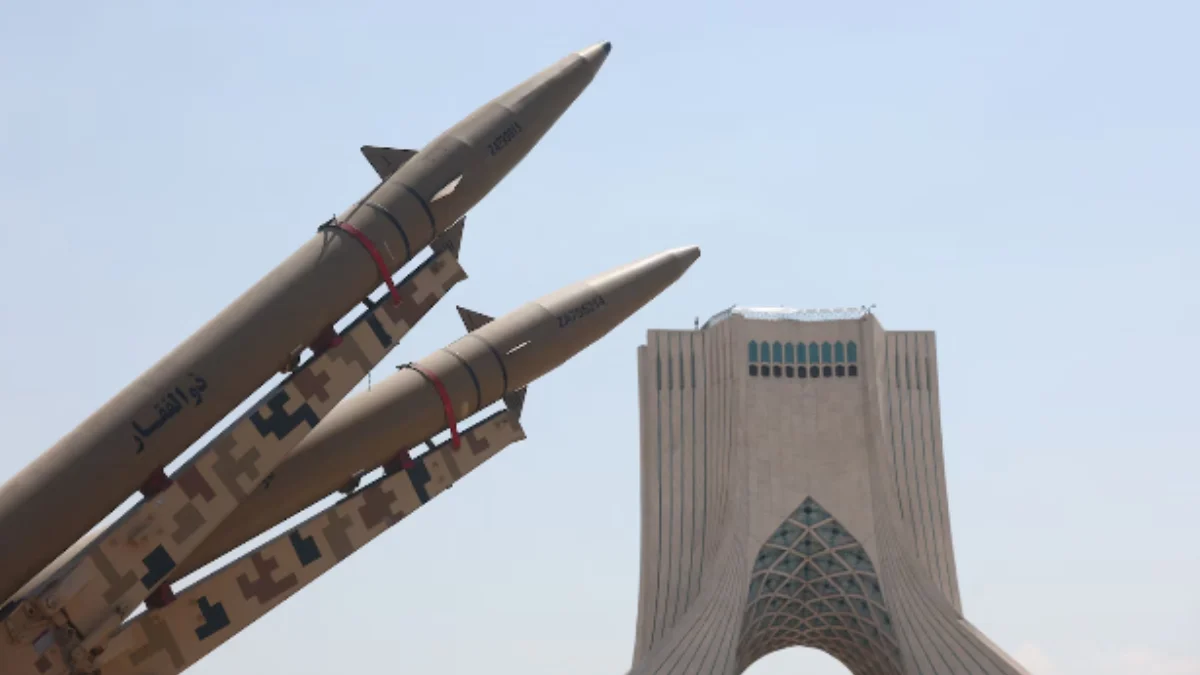
Iran’s missile actions against U.S. positions in the Middle East have exposed a changing battlefield environment, showing how Tehran continues to rely on long-range weapons and asymmetric tactics to challenge American military power. The attack, described by analysts as a significant escalation, demonstrated Iran’s ability to launch coordinated strikes while creating new security challenges for U.S. forces operating in the region.
The latest developments have raised questions about whether traditional military advantages are enough to prevent future attacks. While the United States maintains advanced air defense systems and precision-strike capabilities, Iran has focused on using missiles, drones, and regional networks to create pressure and increase the costs of continued conflict. Analysts have argued that such tactics reflect a broader shift in modern warfare, where smaller powers can use relatively lower-cost weapons to challenge stronger militaries.
Iran’s Strategy Tests U.S. Defense Capabilities
The missile attack has renewed debate over U.S. preparedness and the challenges of defending bases spread across a large region. American forces have invested heavily in missile defense technology, but officials and defense experts have warned that prolonged conflicts can place pressure on weapons supplies and military resources. Recent reports have highlighted concerns about the pace of missile usage and the difficulty of maintaining stockpiles during extended operations.
Iran’s approach reflects a strategy built around avoiding direct conventional battles while using precision strikes and unconventional methods to influence the course of conflict. Instead of attempting to match U.S. forces in traditional military strength, Tehran has emphasized tools that can disrupt operations, create uncertainty, and increase political pressure. This approach has become increasingly common in conflicts around the world, where drones, missiles, and cyber capabilities have changed how nations compete on the battlefield.
The attack also highlights the difficulty of predicting modern conflicts. Military analysts have noted that surprise operations are not always unexpected when viewed through the broader history of regional tensions. Iran has repeatedly developed missile capabilities designed to deter opponents and demonstrate its ability to respond to threats.
A New Era of Missile Warfare Emerges
The latest confrontation between Iran and the United States reflects a broader transformation in military strategy. Advanced technology, missile systems, and unmanned weapons have allowed countries to project power without relying solely on traditional ground forces. For Washington, the challenge is balancing military strength with the need to protect personnel, manage resources, and avoid further escalation.
As tensions continue, both sides face difficult decisions about the future of the conflict. Iran’s missile operations have shown that regional adversaries can still challenge powerful militaries through carefully planned attacks and unconventional strategies. Meanwhile, the United States must continue adapting its defenses to a battlefield where speed, technology, and precision increasingly determine outcomes.
The evolving U.S.-Iran confrontation serves as a reminder that modern warfare is changing rapidly. Missile technology and asymmetric tactics are reshaping global security calculations, creating a new reality where even limited strikes can have major political and military consequences.
To know more for Trump administration news