
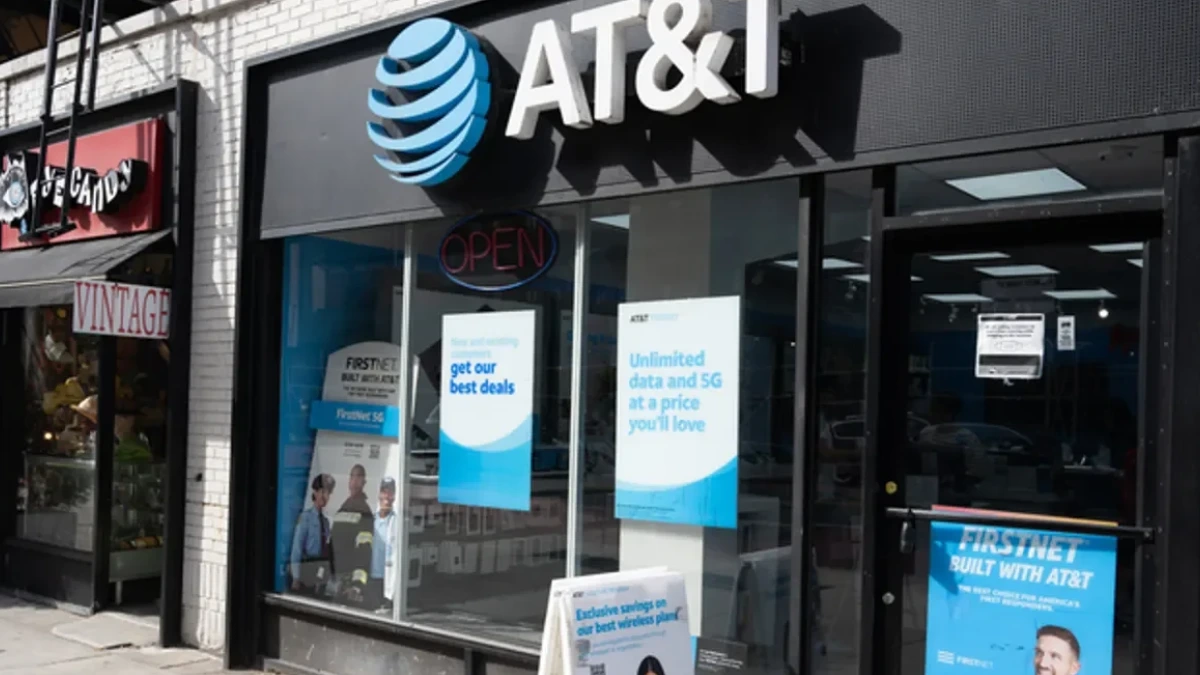
Ast spacemobile at&t verizon partnership AT&T and Verizon customers could soon experience a major change in mobile connectivity as satellite-powered wireless services move closer to becoming part of everyday smartphone use. The development could bring a new level of connectivity to areas where traditional cellular networks struggle to provide reliable coverage.
The technology is being developed through partnerships involving AST SpaceMobile, a company working to deliver cellular broadband connectivity directly from satellites to standard smartphones. The initiative could give customers access to mobile connectivity in locations where conventional cell towers are unavailable.
Satellite Connectivity Could Transform Mobile Networks
For years, mobile network operators have relied primarily on ground-based cell towers to provide wireless coverage. However, remote communities, rural highways, mountainous regions and other isolated locations can still experience weak or nonexistent cellular signals.
AST SpaceMobile aims to address this problem by using satellites equipped with large communications antennas that connect directly to compatible smartphones.
Unlike traditional satellite phones, the company’s approach is designed to work with standard mobile devices, potentially allowing users to access cellular services without purchasing specialized satellite handsets.
This technology could help extend the reach of existing mobile networks and provide another connectivity option for customers who frequently travel outside major cities.
AT&T and Verizon Explore Direct-to-Device Technology
AT&T and Verizon are among the major U.S. wireless carriers exploring satellite-to-phone connectivity through partnerships with AST SpaceMobile.
The technology could eventually allow customers to maintain connectivity in areas beyond the reach of traditional cellular infrastructure.
For AT&T and Verizon subscribers, this could mean fewer situations where a smartphone displays an emergency-only message or loses its cellular connection entirely.
The partnerships also highlight the growing competition among American wireless providers as companies look for new ways to improve network coverage and customer experiences.
What This Means for T-Mobile Customers ast spacemobile at&t verizon partnership
T-Mobile has already attracted attention with its satellite connectivity partnership with SpaceX’s Starlink service.
Its direct-to-cell offering has introduced customers to the possibility of maintaining connectivity through satellites when traditional cellular coverage is unavailable.
The expansion of similar technology through AT&T and Verizon could bring more competition to the satellite-powered wireless market.
As additional carriers introduce these services, customers may eventually have more choices for staying connected in remote locations.
Will Customers Need New Smartphones? ast spacemobile at&t verizon partnership
One of the biggest advantages of direct-to-device satellite technology is its potential compatibility with ordinary smartphones.
However, availability can depend on device compatibility, network frequency support, software requirements and the specific services offered by each carrier.
Customers should check with their wireless providers before assuming that their existing devices will support every satellite connectivity feature.
The initial services may also have limitations compared with conventional cellular networks, particularly regarding data speeds, availability and the types of applications supported.
The Future of Wireless Connectivity
Satellite-to-smartphone technology could become an important part of the future of mobile communications.
Although it is unlikely to replace traditional cell towers, it could complement existing networks by providing additional coverage in places where building conventional infrastructure is difficult or expensive.
For AT&T and Verizon, the technology represents an opportunity to strengthen their wireless offerings and compete in an increasingly crowded telecommunications market.
As satellite networks continue to develop, customers could soon have another way to stay connected when traditional cellular service is unavailable.