
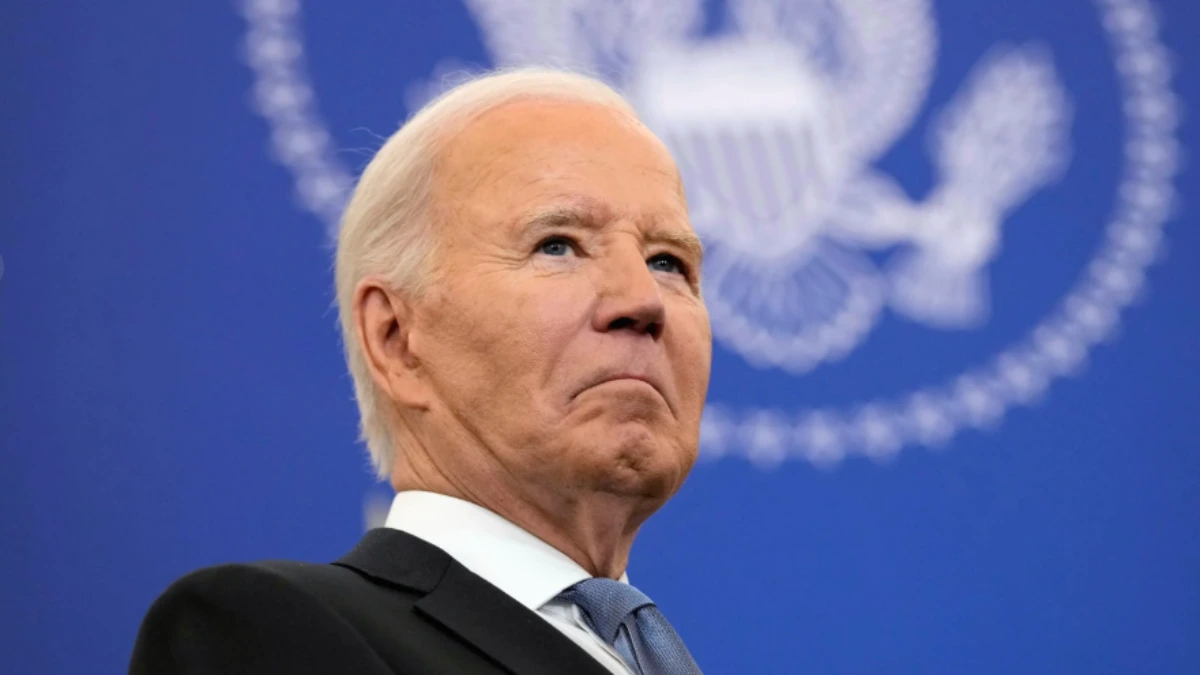
Former President Joe Biden has suffered a legal setback after a federal appeals court rejected his attempt to block the release of audio recordings from interviews conducted with his memoir ghostwriter. The court ruled that the public interest in the materials outweighs Biden’s privacy concerns, allowing the recordings to move closer to public release.
The decision comes after months of legal arguments over whether the interviews should remain confidential. The court, however, temporarily paused the release until August 3, giving Biden an opportunity to seek additional review from a higher court.
Recordings Linked to Classified Documents Investigation
The audio recordings were made in 2016 and 2017 as Biden worked with ghostwriter Mark Zwonitzer on his memoir. They later became part of Special Counsel Robert Hur’s investigation into Biden’s handling of classified documents after his time as vice president.
Although Hur decided not to bring criminal charges, the recordings became the subject of public records requests from congressional investigators and the Heritage Foundation. The legal dispute has centered on whether the public has the right to access the interviews.
Court Weighs Transparency Against Privacy
In a divided ruling, the appeals court concluded that releasing the recordings serves an important public interest because they relate to a major federal investigation involving a former president. The judges determined that the redacted recordings could be released without causing excessive harm to Biden’s privacy.
One judge disagreed with the majority, arguing that the interviews were private conversations held in Biden’s home and should remain confidential because they were gathered during an investigation that ended without criminal charges.
Biden’s Lawyers Continue to Push Back
Biden’s legal team argued that the interviews were intended solely for writing his memoir and included deeply personal discussions, including references to his late son, Beau Biden. His attorneys said releasing the recordings would invade his privacy and set a troubling precedent for future authors and public officials.
They are expected to consider additional legal options before the court’s temporary delay expires.
Next Legal Steps Remain Uncertain
The temporary stay gives Biden time to ask either the full appeals court or the U.S. Supreme Court to review the case. If no further action blocks the ruling, the recordings could be released to the public after the deadline.
The case continues to draw national attention, highlighting the ongoing debate over government transparency, personal privacy, and public access to records connected to former presidents and high-profile federal investigations.
To know more for Politics news