
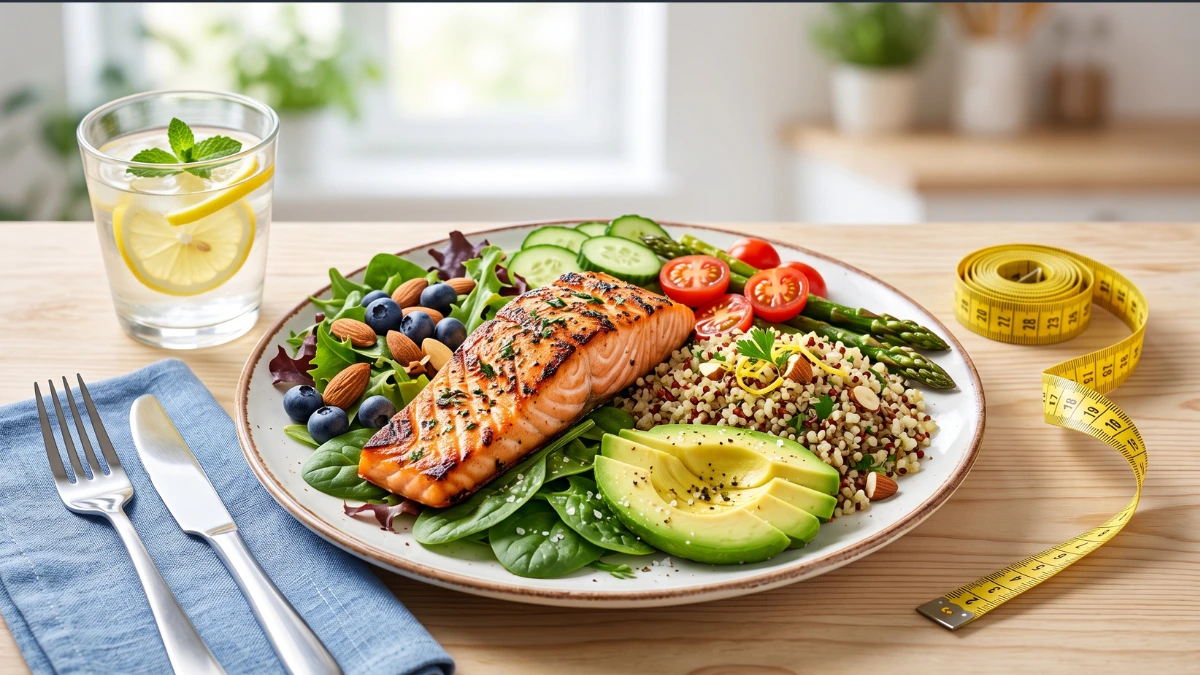
Losing weight doesn’t require crash diets, expensive supplements, or skipping meals. The most effective approach is to adopt a healthy diet plan that provides your body with essential nutrients while helping you consume fewer calories than you burn.
Sustainable weight loss comes from building healthy habits that you can maintain over time. Instead of focusing on temporary solutions, aim for gradual changes that improve your overall health, boost your energy, and support long-term weight management.
Why a Healthy Diet Matters for Weight Loss
A balanced diet does much more than help reduce body weight. It provides your body with protein, healthy fats, complex carbohydrates, vitamins, minerals, and fiber that work together to support metabolism, muscle health, digestion, and overall well-being.
When your meals are nutritionally balanced, you are more likely to stay full between meals, experience fewer cravings, and maintain consistent energy levels throughout the day.
Fill Your Plate with Nutrient-Dense Foods
One of the easiest ways to improve your eating habits is to choose foods that provide maximum nutrition with fewer calories. Fresh vegetables such as spinach, broccoli, carrots, tomatoes, cucumbers, and bell peppers are rich in vitamins, minerals, and fiber while naturally low in calories.
Fruits like apples, berries, oranges, and pears add natural sweetness and valuable antioxidants that support overall health. Eating a variety of colorful produce ensures that your body receives a wide range of essential nutrients.
Make Protein a Priority
Protein plays an important role in any healthy diet plan for weight loss because it helps preserve lean muscle mass while keeping you satisfied after meals. Foods such as eggs, chicken breast, fish, lentils, beans, tofu, cottage cheese, and low-fat Greek yogurt are excellent sources of protein.
Including protein in each meal can reduce hunger, decrease unnecessary snacking, and make it easier to maintain a healthy calorie intake.
Choose Smart Carbohydrates
Carbohydrates are often blamed for weight gain, but the type of carbohydrate you choose makes a significant difference. Whole grains such as oats, brown rice, quinoa, whole wheat bread, and millets contain fiber that slows digestion and provides long-lasting energy. These foods can help stabilize blood sugar levels and prevent the rapid hunger that often follows meals rich in refined carbohydrates.
Don’t Be Afraid of Healthy Fats
Healthy fats are an essential part of a balanced diet. Foods including avocados, almonds, walnuts, flaxseeds, chia seeds, and olive oil support heart health and help your body absorb important nutrients. Because fats are calorie-dense, moderation is important, but completely avoiding them is unnecessary and may leave meals less satisfying.
Build a Balanced Daily Meal Plan
A healthy day can begin with oatmeal topped with berries and nuts or a vegetable omelet served with whole-grain toast. Lunch might include grilled chicken or tofu with brown rice and steamed vegetables, while dinner could feature grilled fish, lentil soup, or bean curry paired with fresh vegetables and a small portion of whole grains.
Healthy snacks such as fruit, yogurt, roasted chickpeas, or a handful of nuts can help control hunger between meals without adding excessive calories.
Stay Hydrated Throughout the Day
Proper hydration supports many essential body functions and may also help manage appetite. Drinking water regularly throughout the day is a simple habit that supports overall health. Replacing sugary drinks, sweetened coffee beverages, and soft drinks with water or unsweetened tea can significantly reduce daily calorie intake while improving hydration.
Practice Mindful Portion Control
Even healthy foods should be eaten in appropriate portions. Eating slowly allows your brain time to recognize fullness, reducing the likelihood of overeating. Using smaller plates, avoiding distractions while eating, and paying attention to hunger and fullness signals can help you naturally manage portion sizes without feeling deprived.
Exercise Complements a Healthy Diet
Although nutrition plays the largest role in weight management, regular physical activity provides additional health benefits. Walking, cycling, swimming, strength training, or other enjoyable forms of exercise help preserve muscle, improve cardiovascular health, and support long-term weight maintenance. Combining regular movement with healthy eating creates a stronger foundation for lasting success.
Sleep and Stress Also Affect Weight
Many people underestimate the importance of quality sleep and stress management. Inadequate sleep and ongoing stress can influence hormones that regulate hunger and appetite, making it more difficult to maintain healthy eating habits.
Prioritizing seven to nine hours of sleep each night and practicing stress-reduction techniques such as meditation, deep breathing, or spending time outdoors can support your weight-loss efforts.
Common Mistakes That Slow Weight Loss
Skipping meals, following extremely restrictive diets, eliminating entire food groups without medical guidance, and relying on processed “diet” foods are common mistakes that often make weight loss more difficult.
These strategies may produce temporary results but are usually difficult to sustain. A balanced eating pattern that includes a variety of nutritious foods is generally more effective for long-term health and weight management.
Long-Term Success Comes from Consistency
Healthy weight loss is not about achieving perfection every day. Occasional treats and social meals can still fit into a balanced lifestyle. What matters most is maintaining healthy habits consistently over time. Focusing on gradual improvements rather than rapid results helps create lasting changes that are easier to maintain for years.
Conclusion
A healthy diet plan for weight loss is based on nourishing your body instead of depriving it. Eating more vegetables, choosing lean proteins, selecting whole grains, including healthy fats, staying hydrated, practicing portion control, and remaining physically active can help you lose weight in a safe and sustainable way.
The goal is not simply to weigh less, but to feel healthier, stronger, and more energetic while building habits that support lifelong wellness.
To know more for Health news