
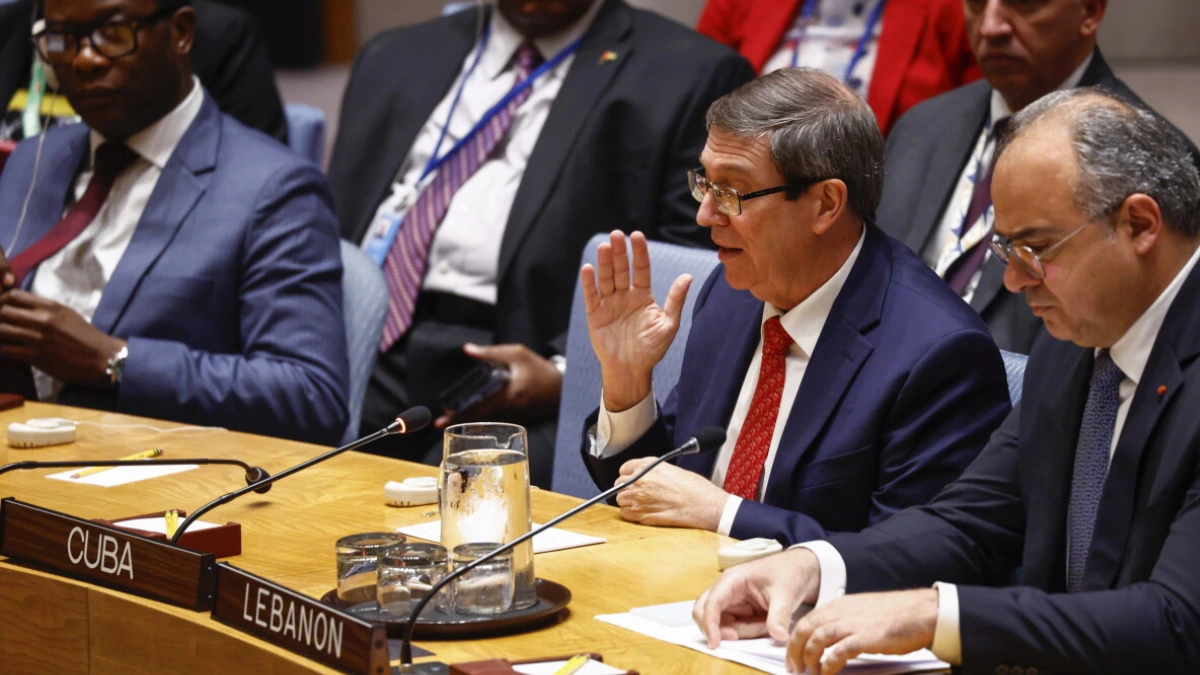
Mike waltz The United Nations General Assembly is once again addressing the longstanding U.S. economic embargo against Cuba, with member states preparing to vote on a resolution calling for an end to the restrictions. The annual vote comes as relations between Washington and Havana remain strained and Cuba continues to face serious economic and energy challenges.
The debate highlights the international community’s ongoing disagreement with U.S. policy toward the Caribbean nation. Although the resolution is not legally binding, it serves as an important measure of global opinion on an embargo that has shaped relations between the two countries for decades.
UN Members Revisit the Cuba Embargo mike waltz
For more than three decades, the United Nations General Assembly has repeatedly considered resolutions urging the United States to lift its economic restrictions on Cuba. The annual vote has generally received broad international support, reflecting concerns about the embargo’s effects on trade, investment and access to essential resources.
In 2025, the resolution received 165 votes in favor, seven against and 12 abstentions. This year’s proceedings are taking place amid renewed efforts by the Trump administration to increase pressure on the Cuban government.
The latest vote could provide a clearer picture of international attitudes toward Washington’s policy. While the resolution cannot force the United States to change its position, it gives governments an opportunity to publicly express their support for or opposition to the restrictions.
Diplomatic Confrontation Highlights Rising Tensions
The UN debate has also exposed the increasingly hostile relationship between American and Cuban officials. A reported exchange involving U.S. Ambassador to the United Nations Mike Waltz and Cuban Foreign Minister Bruno Rodríguez brought the disagreement into public view.
During the confrontation, Rodríguez challenged Waltz’s statements about Cuba’s political system, leading to a tense exchange at the podium. The incident illustrated the difficulties facing diplomatic efforts to reduce tensions between the two governments.
Cuban officials have repeatedly accused Washington of using economic restrictions to undermine the country’s government. U.S. representatives, meanwhile, have defended their approach by pointing to concerns about Cuba’s political system, governance and human rights record.
The exchange underscored how the embargo remains a major source of disagreement at the United Nations, extending beyond economic policy into broader questions of sovereignty and international relations.
A Long History of Economic Restrictions mike waltz
The United States began imposing major trade restrictions on Cuba in 1960, following the Cuban Revolution and the nationalization of American-owned property. Additional measures were introduced over the following decades, making the embargo a central feature of the relationship between Washington and Havana.
Cuba maintains that these restrictions have limited its ability to conduct international business, attract investment and obtain goods and financing. The Cuban government also argues that the embargo has contributed to shortages and declining living standards.
The United States maintains that its policies are intended to pressure the Cuban government over political and human rights concerns. The disagreement has continued through successive administrations, despite repeated calls from the international community for a change in approach.
Although the General Assembly can pass resolutions criticizing the embargo, it cannot independently overturn American sanctions. Any significant change would depend on decisions made by the U.S. government and, where required, Congress.
Cuba Struggles With Economic and Energy Problems
The renewed diplomatic dispute comes as Cuba faces substantial economic difficulties, including fuel shortages, electricity disruptions and limited access to essential supplies.
Power outages have affected households, businesses and public services across the island. Fuel constraints can also disrupt transportation, water distribution and healthcare operations, increasing pressure on an already struggling population.
The Trump administration has intensified economic pressure on Cuba, including measures targeting countries that supply oil to the island. These developments have raised further concerns about the availability of energy resources and the humanitarian consequences of prolonged shortages.
Havana blames U.S. restrictions for worsening the crisis, while Washington argues that domestic economic policies and government decisions are major contributors to the country’s difficulties.
The debate over the embargo therefore remains closely connected to wider discussions about Cuba’s economic future and the responsibilities of its government and international partners.
What the UN Vote Means for U.S.-Cuba Relations
The General Assembly’s decision is expected to carry considerable diplomatic significance, regardless of the final result. Strong support for the resolution would reinforce the longstanding international opposition to the embargo, while a different voting pattern could indicate a shift in how some countries approach the issue.
For Cuba, the vote offers an opportunity to draw attention to the consequences of American economic restrictions and seek broader international backing. For the United States, it provides a platform to defend its policy and explain its position on the Cuban government.
The dispute also comes amid heightened political rhetoric between Washington and Havana, adding uncertainty to the prospects for improved relations.
Ultimately, the annual UN vote is unlikely to bring an immediate end to the embargo. However, it will renew international scrutiny of a policy that has endured for more than six decades and continues to influence the economic and diplomatic relationship between the United States and Cuba.