
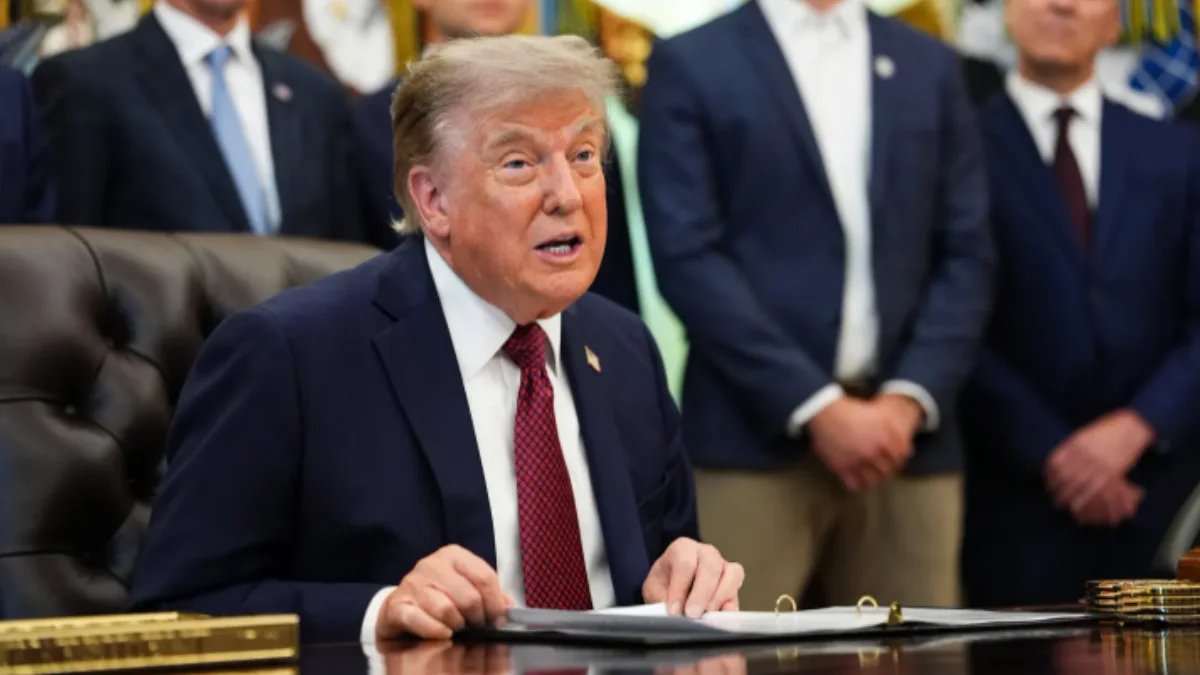
President Donald Trump has defended the Justice Department’s decision to issue subpoenas as part of a federal investigation into the disclosure of sensitive government information, arguing that protecting classified material is a national security priority. The investigation drew widespread attention after subpoenas were issued to New York Times reporters and records were sought from Google in an effort to identify the source of leaked information.
According to the Justice Department, the investigation is focused on determining how confidential government information was disclosed to the media. Officials maintain that unauthorized leaks can damage national security and that identifying those responsible is an important part of enforcing federal law.
Trump supported the department’s actions, saying the investigation targets the source of the leaks rather than the news organizations themselves. His comments have fueled another national debate over the balance between government efforts to protect sensitive information and the constitutional protections granted to journalists.
The case has quickly become one of the most closely watched legal disputes involving press freedom and federal investigative powers.
Media Organizations Challenge Government Action
The subpoenas prompted an immediate response from The New York Times, which argued that compelling journalists to reveal confidential sources could weaken investigative reporting and discourage whistleblowers from coming forward with information that serves the public interest.
Press freedom advocates also expressed concern that legal action involving reporters could create a chilling effect on journalism. They warned that aggressive investigations targeting members of the media could make it more difficult for reporters to gather information on matters involving government accountability.
As the legal challenge moved forward, the Justice Department acknowledged procedural issues involving some of the subpoenas and later withdrew those directed at several reporters. Despite that decision, officials emphasized that the broader investigation into the source of the leaked information remains active.
The involvement of Google also drew attention because investigators sought digital records connected to the inquiry. Technology companies have increasingly found themselves involved in government investigations when digital communications become part of criminal or national security cases.
Investigation Continues as Debate Over Press Rights Grows
Although the subpoenas issued to reporters have been withdrawn, the Justice Department has indicated that efforts to identify the source of the leak will continue. Federal officials maintain that protecting classified information is essential, while media organizations continue to argue that investigative journalism depends on the ability to protect confidential sources.
The dispute has renewed broader discussions about the limits of executive authority, the responsibilities of federal investigators, and the protections guaranteed under the First Amendment. Legal experts say future court decisions could help clarify how leak investigations should be conducted when they involve journalists and technology companies.
For now, the case remains under close public and legal scrutiny. Supporters of the administration argue that unauthorized disclosures should be thoroughly investigated to protect national interests, while critics believe investigations involving reporters must be carefully handled to avoid undermining press freedom.
As the legal process moves forward, the outcome of the investigation could influence future government leak inquiries and shape the ongoing relationship between federal law enforcement agencies, the news media, and technology companies that hold digital communications.
To know more for Trump administration news