
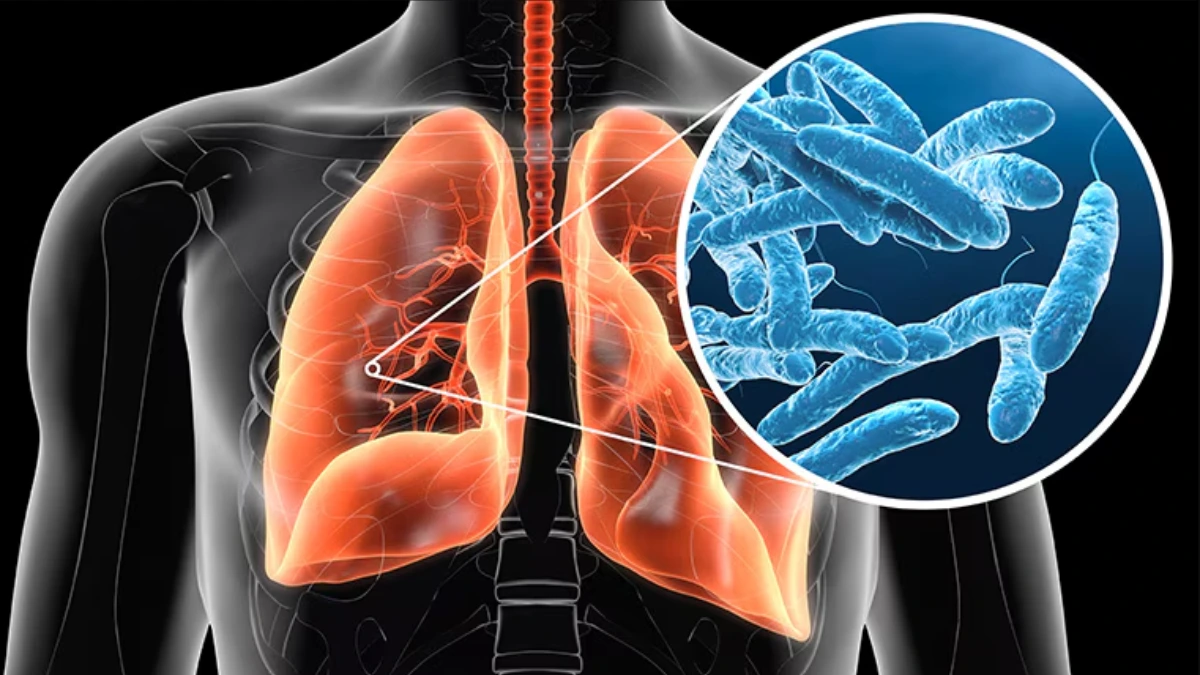
New York City health officials have confirmed a fourth death connected to the ongoing Legionnaires’ disease outbreak affecting parts of Manhattan’s Upper East Side. The latest fatality comes as public health teams continue investigating the source of the bacteria and monitoring additional cases linked to the outbreak.
Authorities say dozens of people have been diagnosed with the illness, prompting an expanded response to identify contaminated locations and reduce the risk of further infections.
Cooling Towers Identified as Source of Bacteria
Health officials have detected Legionella bacteria in several building cooling towers within the affected area. Building owners have been instructed to disinfect and clean the systems immediately to help stop the spread of the bacteria.
Officials emphasized that Legionnaires’ disease is contracted by inhaling tiny water droplets containing the bacteria. It is not spread from person to person, and the city’s drinking water remains safe for residents.
Residents Urged to Watch for Symptoms
People who have recently visited or lived in the affected neighborhoods are being advised to seek medical attention if they develop symptoms such as fever, cough, chills, muscle aches, or difficulty breathing.
Legionnaires’ disease is a serious type of pneumonia that can usually be treated with antibiotics when diagnosed early. Older adults, smokers, and individuals with weakened immune systems are considered most at risk for severe illness.
Health Department Continues Monitoring the Outbreak
The New York City Health Department is continuing to inspect cooling towers, collect environmental samples, and monitor new cases. Officials say these efforts are aimed at preventing additional infections while ensuring contaminated systems are properly disinfected.
Although response measures are underway, investigators continue working to determine whether any other locations may be contributing to the outbreak.
Public Health Response Remains Ongoing
City officials are encouraging residents to remain informed and seek prompt medical care if symptoms appear after spending time in the affected areas. Public health experts stress that early diagnosis and treatment are critical for reducing the risk of serious complications.
The outbreak has renewed attention on routine maintenance of building cooling systems and the importance of rapid public health action to limit the spread of Legionnaires’ disease in densely populated urban areas.
To know more for Health news