
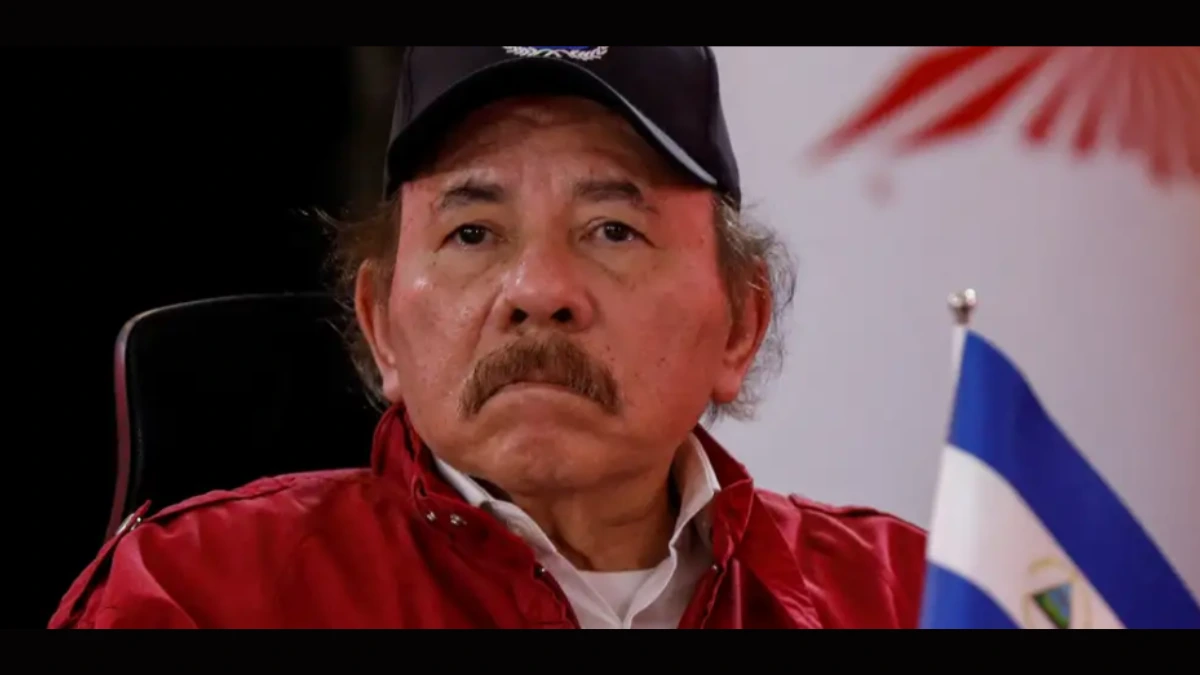
Nicaraguan President Daniel Ortega has announced that the country will no longer hold national elections, a statement that has sparked concern among opposition groups and international observers. Speaking during celebrations marking the anniversary of the Sandinista Revolution, Ortega said Nicaragua had entered a new political stage in which elections would no longer determine the country’s leadership. His remarks represent a significant shift in the nation’s political direction and have renewed debate over the future of democracy in Nicaragua.
Government Says Move Protects National Stability
Ortega defended his position by arguing that the government must protect Nicaragua from what he described as foreign interference and attempts to destabilize the country. He claimed that previous electoral processes had been used by outside forces to influence domestic politics and insisted that his administration would continue working to preserve national sovereignty. While he indicated that legal reforms could support the government’s new political approach, he did not provide specific details on how future leadership transitions would take place.
Opposition and Rights Groups Voice Alarm
The president’s announcement was met with immediate criticism from opposition leaders, many of whom are living in exile after years of political repression. Human rights organizations also expressed concern, warning that ending elections would further weaken democratic institutions and eliminate one of the country’s most important mechanisms for political participation. Critics argue that Nicaragua has already experienced increasing restrictions on independent media, civil society organizations, and opposition parties in recent years.
Growing International Scrutiny
The latest comments are expected to intensify international attention on Nicaragua’s political situation. Several governments and global organizations have repeatedly criticized the Ortega administration over previous elections, constitutional reforms, and the detention of political opponents. Analysts say the announcement could lead to renewed diplomatic pressure as foreign governments assess the implications for democracy and human rights in the Central American nation.
Uncertainty Surrounds Nicaragua’s Political Future
Ortega’s declaration has raised fresh questions about how future governments will be chosen and what role, if any, citizens will have in selecting national leaders. Supporters of the administration argue the changes are necessary to maintain stability and prevent outside influence, while critics believe the move further concentrates political power and removes a fundamental democratic process. As debate continues both inside and outside Nicaragua, the country’s political future remains uncertain, with many observers closely watching how the government moves forward in the months ahead.
To know more for Politics news