
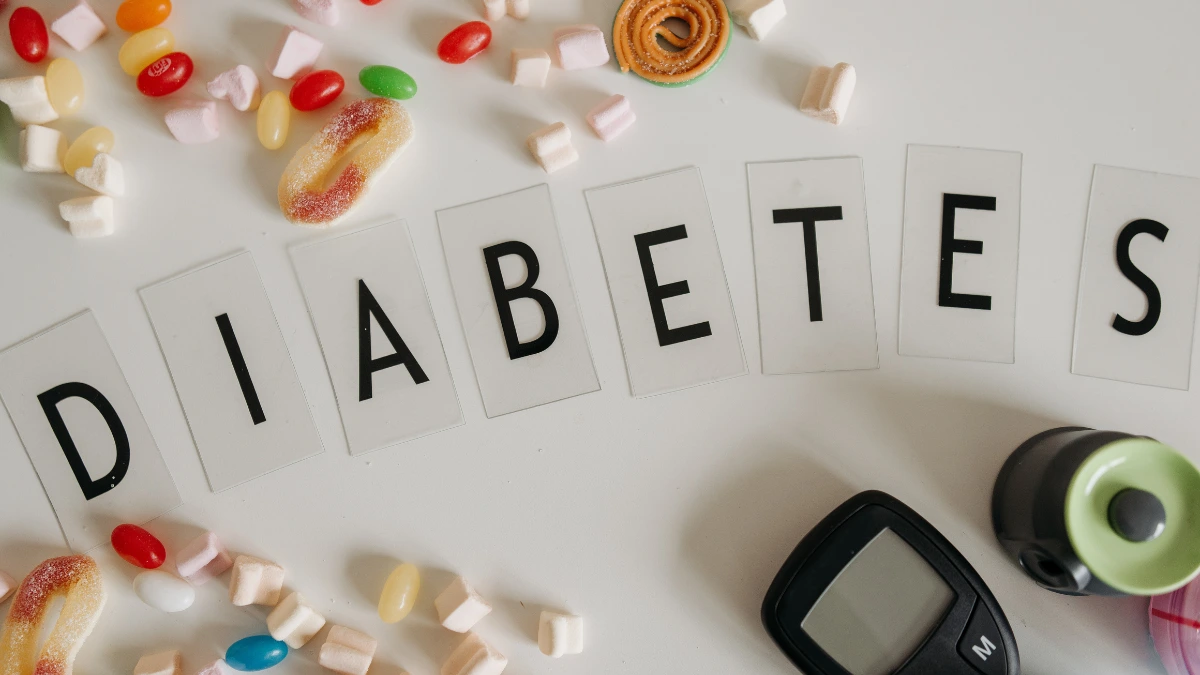
Blood sugar levels play an important role in overall health, energy, and the way the body functions. Whether you are checking your glucose at home, managing diabetes, or simply trying to maintain a healthy lifestyle, understanding normal blood sugar levels can help you make informed decisions about your health.
Blood sugar, also known as blood glucose, refers to the amount of sugar present in your bloodstream. The body uses glucose as its main source of energy, but keeping levels within a healthy range is essential. Both consistently high and unusually low blood sugar levels can affect health and well-being.
What Are Normal Blood Sugar Levels for Adults?
Normal blood sugar levels can vary depending on when the measurement is taken before eating, after a meal, or during a routine health check.
For most healthy adults, typical blood glucose ranges are:
| Testing Time | Normal Blood Sugar Range |
|---|---|
| Fasting blood sugar (after not eating for at least 8 hours) | Around 70–99 mg/dL |
| Before meals | Around 70–130 mg/dL |
| 1–2 hours after eating | Usually below 140 mg/dL |
| Random blood sugar test | Generally below 200 mg/dL |
Individual targets may differ based on age, health conditions, medications, and whether a person has diabetes.
Understanding Fasting Blood Sugar Levels
A fasting blood sugar test measures glucose levels after an overnight fast. It is commonly used to check for signs of diabetes or prediabetes.
- Below 100 mg/dL: Generally considered a normal fasting blood sugar level
- 100–125 mg/dL: May indicate prediabetes
- 126 mg/dL or higher: May indicate diabetes and requires medical evaluation
A single high reading does not always confirm a diagnosis. Doctors usually consider repeated tests and other health factors before making a diagnosis.
Normal Blood Sugar After Eating
Blood sugar naturally rises after meals because food is converted into glucose. The body releases insulin to help move glucose from the blood into cells for energy.
For many adults, blood sugar levels typically return closer to normal within a few hours after eating. A reading below 140 mg/dL about two hours after a meal is often considered within the normal range for people without diabetes.
Foods high in refined carbohydrates and added sugars can cause faster spikes in blood glucose, while meals containing fiber, protein, and healthy fats may help maintain steadier levels.
Blood Sugar Levels for Adults With Diabetes
People with diabetes often have personalized glucose targets set by their healthcare provider. Common goals may include:
- Before meals: 80–130 mg/dL
- About two hours after the beginning of a meal: Less than 180 mg/dL
These targets can vary depending on factors such as age, pregnancy status, duration of diabetes, and overall health.
Signs of High Blood Sugar
High blood sugar, or hyperglycemia, can develop when the body does not produce enough insulin or cannot use insulin effectively.
Common signs may include:
- Increased thirst
- Frequent urination
- Unusual tiredness
- Blurred vision
- Slow-healing cuts or wounds
- Unexplained weight loss
Long-term high blood sugar can increase the risk of complications affecting the heart, kidneys, eyes, nerves, and blood vessels.
Signs of Low Blood Sugar
Low blood sugar, or hypoglycemia, occurs when glucose levels drop below normal.
Possible symptoms include:
- Shaking or sweating
- Hunger
- Dizziness
- Irritability
- Confusion
- Weakness
- Fast heartbeat
People taking insulin or certain diabetes medications may be more likely to experience low blood sugar episodes.
How to Maintain Healthy Blood Sugar Levels Naturally
Maintaining balanced blood sugar involves healthy daily habits:
Eat a Balanced Diet
Choose meals that include vegetables, whole grains, lean proteins, and healthy fats. Limit excessive intake of sugary drinks and highly processed foods.
Stay Physically Active
Regular exercise helps the body use glucose more effectively and can support healthy insulin function.
Maintain a Healthy Weight
Keeping a healthy weight can improve blood sugar control and reduce the risk of insulin resistance.
Get Enough Sleep
Poor sleep can affect hormones involved in blood sugar regulation.
Manage Stress
Stress hormones can influence glucose levels, making stress management an important part of overall health.
When Should You Check Your Blood Sugar?
Blood sugar testing may be recommended if you:
- Have symptoms of diabetes
- Have a family history of diabetes
- Have been diagnosed with diabetes or prediabetes
- Are taking medications that affect glucose levels
- Are monitoring your health during pregnancy
Regular monitoring helps identify patterns and allows timely action when needed.
The Bottom Line
Normal blood sugar levels for adults depend on factors such as timing, diet, activity level, and overall health. Keeping glucose within a healthy range supports energy, metabolism, and long-term wellness.
If you notice consistently high or low blood sugar readings, or experience symptoms related to glucose changes, consult a healthcare professional for proper evaluation and guidance. A balanced lifestyle, regular monitoring, and preventive care can help support healthy blood sugar management at every stage of life.
To know more for Health news