Prop 40 Support for two significant California policy proposals a tax targeting billionaires and changes to environmental permitting rules has declined, according to recent polling ahead of the November 3, 2026, election. The latest findings highlight the challenges facing both measures as voters weigh questions about taxation, economic growth, housing development and environmental protection.
The proposals have attracted considerable attention because they address two major issues in California: how to fund public services and how to accelerate construction projects while maintaining environmental standards. However, recent polling suggests that neither measure currently enjoys majority support among likely voters.
Billionaire Tax Proposal Loses Ground prop 40
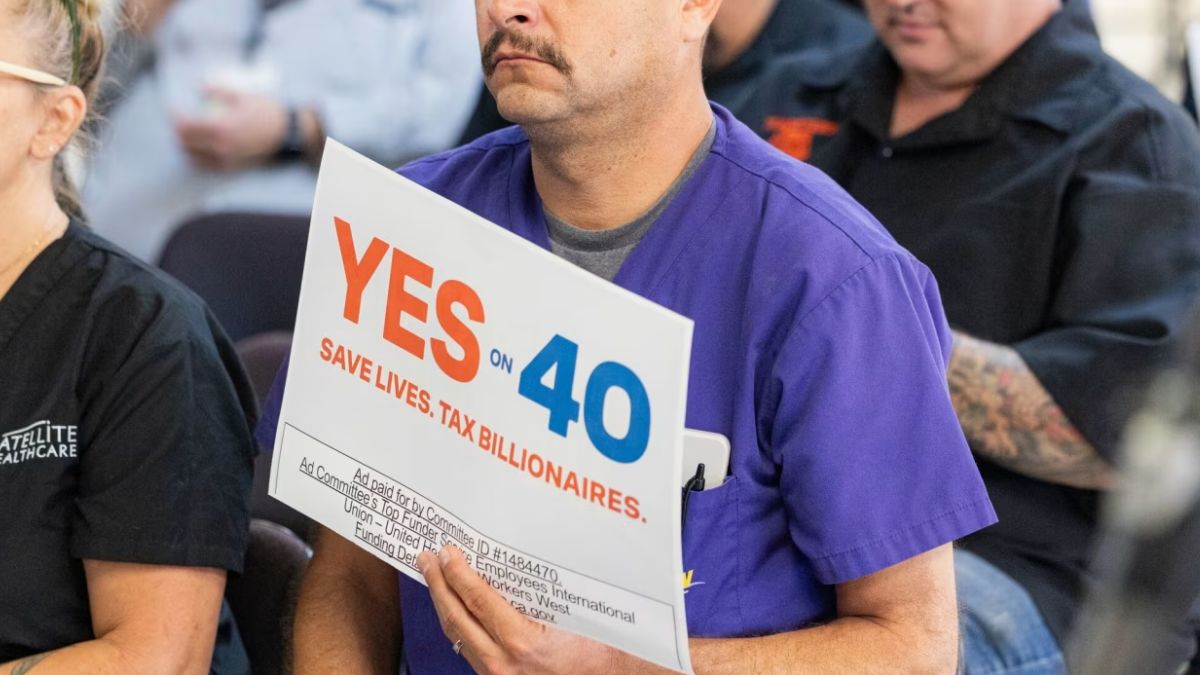
The proposed billionaire wealth tax has experienced a notable decline in public backing. According to a recent survey by the Public Policy Institute of California (PPIC), 46% of likely voters support Proposition 40, while 52% oppose it. In September, support stood at 52%, representing a six-percentage-point drop.
The proposal would introduce a one-time tax of up to 5% on the assets of individuals whose wealth exceeds $1 billion. Supporters say the measure could generate significant revenue for public programs, including healthcare and other essential services.
Opponents, however, have expressed concerns about the potential economic impact of the proposal. Critics question whether such a tax could encourage wealthy residents to relocate, affect investment decisions or create uncertainty for businesses.
The declining support presents a challenge for advocates seeking voter approval. As the election approaches, both supporters and opponents are likely to emphasize the potential financial benefits and economic risks associated with the measure.
Permitting Reform Encounters Growing Resistance
California’s proposed permitting changes are also facing difficulties. Proposition 45, which aims to accelerate environmental reviews and legal proceedings for certain development projects, has seen its support decline in recent polling.
The PPIC survey found that 46% of likely voters favor the measure, compared with 50% who oppose it. Approximately 4% remain undecided. In September, support was at 49%, while opposition stood at 46%.
The proposal would establish deadlines for government agencies conducting reviews under the California Environmental Quality Act (CEQA). It would also set timelines for resolving related court cases involving eight categories of development projects.
Supporters argue that lengthy approval processes can increase construction costs and delay important projects. They believe streamlining permitting procedures could help California expand its housing supply, improve infrastructure and make development more predictable.
Opponents, including environmental groups and labor organizations, have raised concerns about the potential consequences for environmental protections and community participation. They argue that speeding up reviews and litigation could reduce opportunities to challenge projects with potentially harmful environmental effects.
The disagreement reflects a broader policy debate over whether California can accelerate development while preserving safeguards intended to protect communities and natural resources.
Affordability and Economic Uncertainty Influence Voters prop 40
The declining support for both proposals comes as California residents continue to face concerns about housing costs, inflation and everyday expenses. These issues have made economic policy a central consideration for many voters.
The billionaire tax proposal raises questions about how the state should collect revenue and distribute public resources. Meanwhile, permitting reform focuses on whether reducing administrative delays could make housing and infrastructure projects more affordable.
Although both measures are presented as potential responses to California’s challenges, voters remain divided over their likely consequences. Some prioritize additional funding for public services and faster construction, while others worry about unintended economic effects and weakened environmental oversight.
These competing concerns may influence how voters evaluate the proposals during the final stages of the campaign.
Final Election Results Remain Uncertain
With Election Day scheduled for November 3, 2026, supporters of both measures face the task of persuading undecided voters and rebuilding support. The latest polling indicates that opposition currently exceeds support for both proposals, but public opinion could change before ballots are counted.
Campaign advertising, public debates and voter turnout may all influence the final results. Polling provides an indication of current attitudes, rather than a guarantee of how the election will unfold.
The debate surrounding the billionaire tax and permitting reform illustrates the difficult decisions confronting California. As policymakers seek to address affordability, public funding and infrastructure needs, voters must decide which approaches best balance economic opportunity, public services and environmental responsibility.