
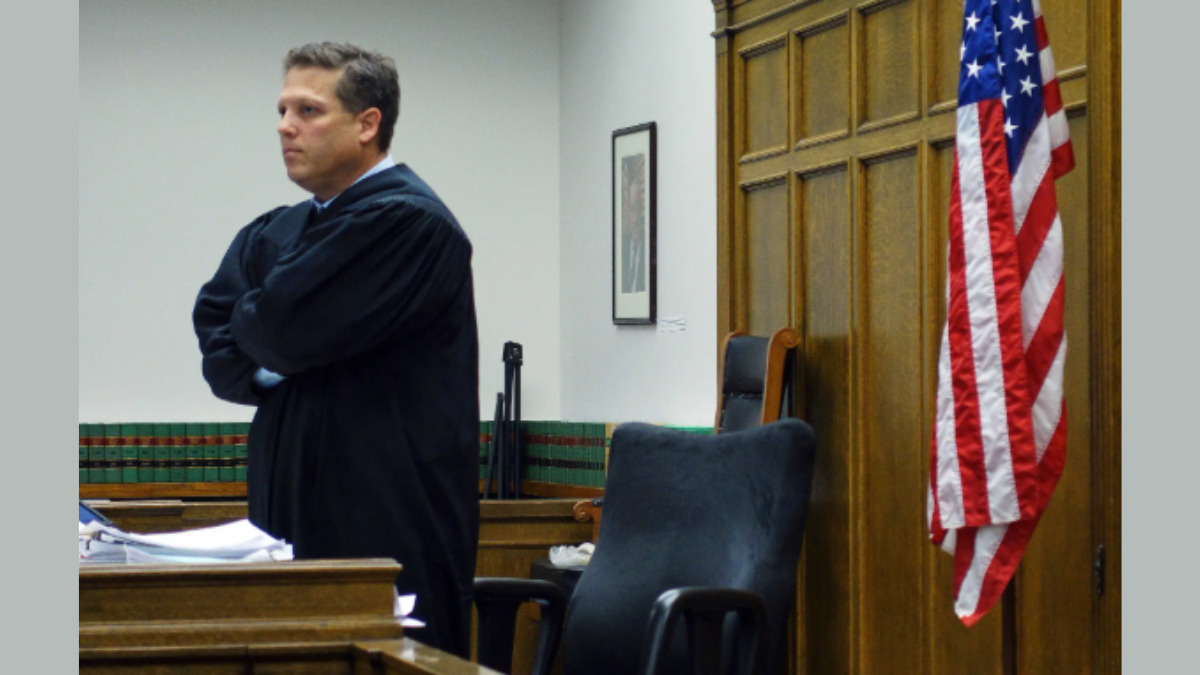
Roger Rogoff’s tenure as interim U.S. Attorney for the Western District of Washington ended almost as soon as it began after the Trump administration dismissed him just minutes after he was sworn into office.
Rogoff, a former federal prosecutor and Washington state judge, had been appointed by the district’s federal judges under a federal law that allows courts to fill the position temporarily when a Senate-confirmed U.S. attorney has not been approved.
Dismissal Comes Within Minutes
Shortly after taking the oath of office, Rogoff reportedly received notice that he had been removed from his position. The Justice Department later confirmed the dismissal, with Acting Attorney General Todd Blanche stating that while federal judges have the authority to appoint an interim U.S. attorney, the president also has the authority to remove that appointee.
The swift dismissal immediately drew attention because of its timing and raised questions about the limits of executive authority over judicial appointments.
Legal Questions Emerge
The incident has sparked debate among legal experts over the balance of power between the executive branch and the judiciary. Some argue that the case could become a significant legal test of whether a president can remove a U.S. attorney appointed by federal judges under existing law.
Rogoff has said he is reviewing his legal options and is considering whether to challenge the dismissal in court.
Political Reactions
The move has prompted criticism from some lawmakers and legal observers, who argue that Rogoff’s appointment followed the legal process established for filling vacant U.S. attorney positions. The Trump administration, however, maintains that the president has the constitutional authority to oversee and replace federal prosecutors.
What Happens Next?
With Rogoff no longer serving in the role, attention now turns to who will lead the U.S. Attorney’s Office for the Western District of Washington. If legal action is filed, the dispute could become an important case examining the scope of presidential authority over court-appointed federal prosecutors.
To know more Political news