
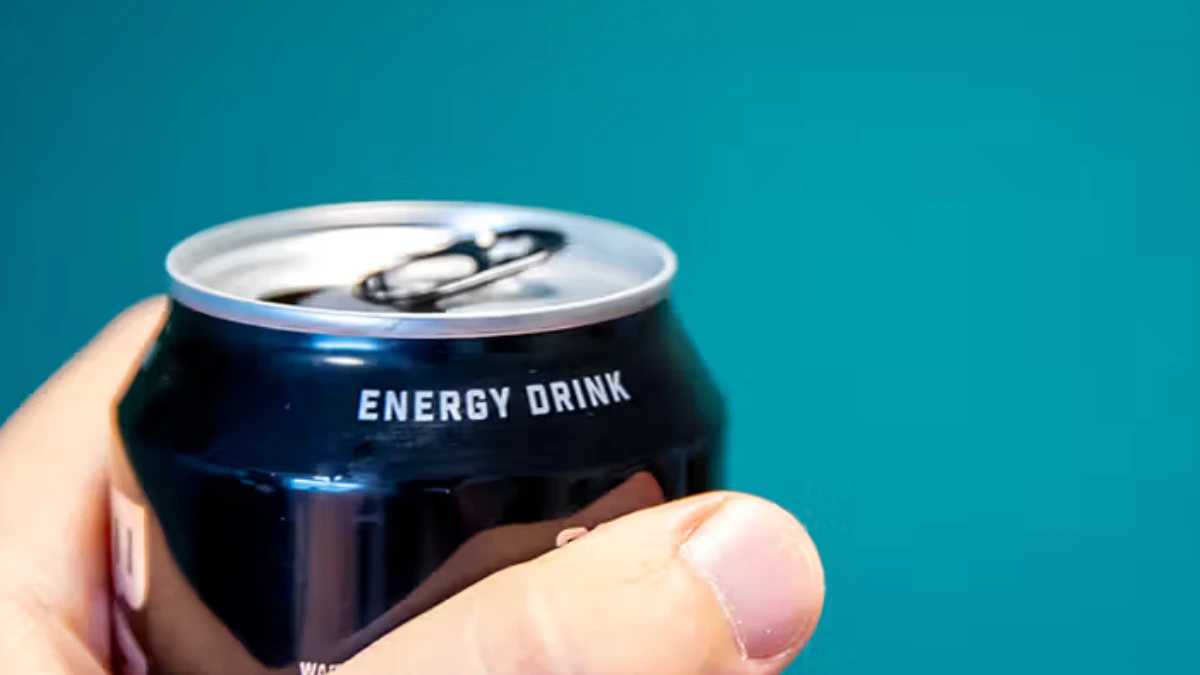
American heart association energy drink study Energy drinks have become increasingly popular among young adults looking for a quick boost in energy, concentration and physical performance. However, new research is raising concerns about the potential effects of highly caffeinated beverages and stimulant-containing supplements on cardiovascular health, particularly among people between the ages of 18 and 34.
A recent study highlighted by NBC News found an association between energy drinks, stimulant supplements and reports of serious heart-related problems, including cardiac arrest and heart attacks. The findings have renewed discussions about caffeine consumption, product safety and the importance of understanding how stimulant ingredients may affect the heart.
New Research Raises Concerns About Heart Health
Researchers analyzed 28,345 reports submitted to a U.S. government safety database between 2017 and 2025. The analysis compared reports involving products containing caffeine or other stimulants with reports involving products without these ingredients.
According to the findings, cardiac arrest was reported approximately 11 times more often in connection with caffeine- and stimulant-containing products. Reports involving these products were also about 4.5 times more likely to include heart attacks and four times more likely to mention ventricular arrhythmias or heart palpitations.
Researchers also identified reports involving elevated heart rates, chest pain and fainting. Approximately 45% of the cardiovascular-event reports associated with stimulant-containing products involved adults between the ages of 18 and 34.
However, researchers emphasized that these findings show an association rather than proof that energy drinks directly cause cardiac arrest or other cardiovascular conditions.
How Energy Drinks May Affect the Heart american heart association energy drink study
Most energy drinks contain caffeine, a stimulant that affects the central nervous system and helps people feel more alert. Depending on the product, they may also contain ingredients such as guarana, taurine and other stimulant compounds.
High caffeine consumption can temporarily increase heart rate and blood pressure. In some individuals, particularly those with underlying heart conditions or sensitivity to stimulants, consuming large amounts may contribute to abnormal heart rhythms and other cardiovascular symptoms.
Some energy drinks contain substantial amounts of caffeine in a single serving. Combining multiple caffeinated beverages, pre-workout supplements and other stimulant products can also increase total daily caffeine consumption.
Why Young Adults Should Pay Attention american heart association energy drink study
Energy drinks are widely marketed to students, athletes, professionals and people with busy schedules. Many young consumers use them to stay awake during long working hours, prepare for examinations or improve workout performance.
However, frequent consumption may create problems when people underestimate how much caffeine they are consuming throughout the day.
Researchers have suggested that several factors could help explain the observed association among younger adults. These include frequent energy drink consumption, combining stimulants with intense exercise, mixing them with alcohol or other substances, and potentially undiagnosed heart conditions.
The findings highlight the importance of discussing energy drink and supplement use with healthcare professionals, especially when experiencing unexplained heart-related symptoms.
How Much Caffeine Is Considered Safe?
According to the U.S. Food and Drug Administration, up to 400 milligrams of caffeine per day is generally not associated with dangerous effects for most healthy adults. However, individual sensitivity varies, and this amount should not be considered a guaranteed safe limit for everyone.
People should check product labels carefully and account for caffeine from coffee, tea, energy drinks, pre-workout supplements and other sources.
Individuals with existing heart conditions, high blood pressure or a history of abnormal heart rhythms should discuss caffeine consumption with their healthcare providers.
Practical Ways to Protect Your Heart
Young adults can take several precautions to reduce unnecessary exposure to excessive caffeine and stimulants:
- Check caffeine content: Read labels before purchasing energy drinks or stimulant supplements.
- Avoid excessive consumption: Be mindful of total caffeine intake from different beverages and supplements.
- Avoid stimulant combinations: Do not combine multiple high-caffeine products without understanding their ingredients and potential effects.
- Be cautious during exercise: Avoid relying on high-stimulant products before intense physical activity.
- Prioritize sleep: Maintain healthy sleeping habits instead of regularly using energy drinks to overcome sleep deprivation.
- Pay attention to symptoms: Seek medical attention for chest pain, fainting, severe palpitations or an unusually rapid heartbeat.
Anyone experiencing severe chest pain, difficulty breathing or fainting should seek emergency medical assistance.
Researchers Call for More Safety Monitoring
The researchers say additional investigations are needed to understand the relationship between stimulant-containing products and cardiovascular complications. They also support stronger safety monitoring and greater awareness among healthcare professionals.
One important limitation is that the research relied on voluntarily submitted adverse-event reports. It does not establish how many people consumed energy drinks without experiencing health problems, and it cannot determine whether the products directly caused the reported events.
The findings were presented as preliminary research for the American Heart Association’s Scientific Sessions 2026 and have not yet undergone full peer-reviewed publication.
Final Thoughts
Energy drinks may offer temporary alertness, but consuming excessive caffeine and stimulant ingredients deserves careful consideration. The latest research highlights potential cardiovascular concerns, particularly among young adults, while also emphasizing that more evidence is needed to establish a direct causal relationship.
Understanding caffeine intake, reading product labels and recognizing possible warning signs can help consumers make more informed decisions about their health. For young adults, maintaining healthy sleep habits, balanced nutrition and regular physical activity remains important for long-term heart health.