
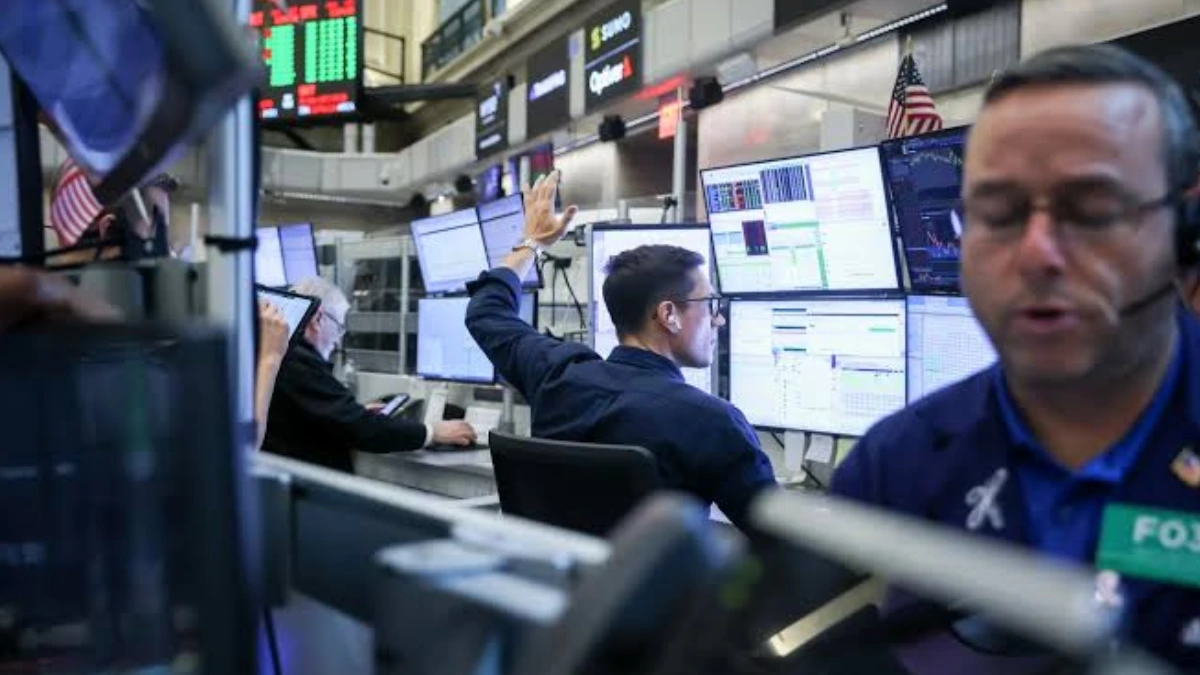
U.S. financial markets came under pressure on Wednesday as stock futures declined and the U.S. dollar weakened following early results from the 2026 midterm elections. Investors closely monitored voting outcomes as Democrats recorded early victories, raising questions about the balance of power in Congress and the potential direction of U.S. economic policy.
The election results have attracted considerable attention from global investors, with markets reacting to the possibility that Democrats could gain control of one or both chambers of Congress. Traders are assessing how a potential shift in political power could influence government spending, taxation, business regulations and financial market policies.
Wall Street Futures Move Lower stock futures
U.S. stock futures moved lower as election results began emerging across the country. Futures linked to the S&P 500 declined approximately 0.5%, while Nasdaq futures dropped around 0.9% in early trading. The movements reflected investor caution as traders evaluated the possible political implications of the election.
Technology shares also remained in focus because of concerns surrounding artificial intelligence investments, corporate spending and potential regulatory changes. Investors are particularly interested in how a different congressional balance could affect major technology companies and the broader technology sector.
Despite the overnight declines, market participants are waiting for additional election results before making longer-term assessments about the direction of U.S. equities.
U.S. Dollar Weakens Against Major Currencies
The U.S. dollar also experienced pressure as investors adjusted their positions ahead of a clearer election outcome. The dollar weakened against several major currencies, while the euro and Japanese yen recorded gains.
Currency traders are examining how a potential Democratic victory could affect government spending plans, fiscal policy and the outlook for U.S. Treasury yields. Political uncertainty can influence currency markets as investors reconsider their expectations for economic growth and interest rates.
The movement in the dollar highlights how closely financial markets are following developments in Washington during this election period.
Early Democratic Victories Put Investors on Alert
Several early election victories have increased attention on the possibility of Democrats gaining additional congressional seats. Democratic Senator Jon Ossoff secured re-election in Georgia, while Senator Mark Warner also won re-election in Virginia.
The Senate contests are particularly important because Democrats need to gain four seats to take control of the chamber. Meanwhile, the House of Representatives is also a major focus, with early expectations pointing toward potential Democratic gains.
Investors are watching whether these early results develop into a broader political shift. A change in congressional control could influence negotiations over government budgets, tax policies and regulations affecting businesses.
Technology and AI Stocks Remain in Focus stock futures
The technology sector is another important area attracting investor attention. Major technology companies have been facing questions about the sustainability of artificial intelligence spending and the potential financial returns from large investments in AI infrastructure.
A change in congressional leadership could also bring increased scrutiny of technology companies, particularly regarding data centers, artificial intelligence regulation and competition policies.
At the same time, strong earnings and business forecasts from semiconductor companies such as Advanced Micro Devices have provided some support to the broader technology investment outlook.
Investors are therefore balancing election-related uncertainty against corporate earnings, technology demand and expectations for future growth.
What Investors Are Watching Next stock futures
Financial markets are expected to remain sensitive to incoming election results as officials continue counting ballots. Investors will be looking for a clearer picture of congressional control and possible changes in the direction of U.S. economic policy.
Beyond politics, traders will continue monitoring inflation, Federal Reserve interest-rate expectations, Treasury yields, corporate earnings and international developments that could influence global markets.
For now, the declines in stock futures and the weaker U.S. dollar reflect investor caution rather than a definitive long-term market trend. The full impact of the 2026 midterm elections will become clearer as additional results emerge and policymakers respond to the new political landscape.