
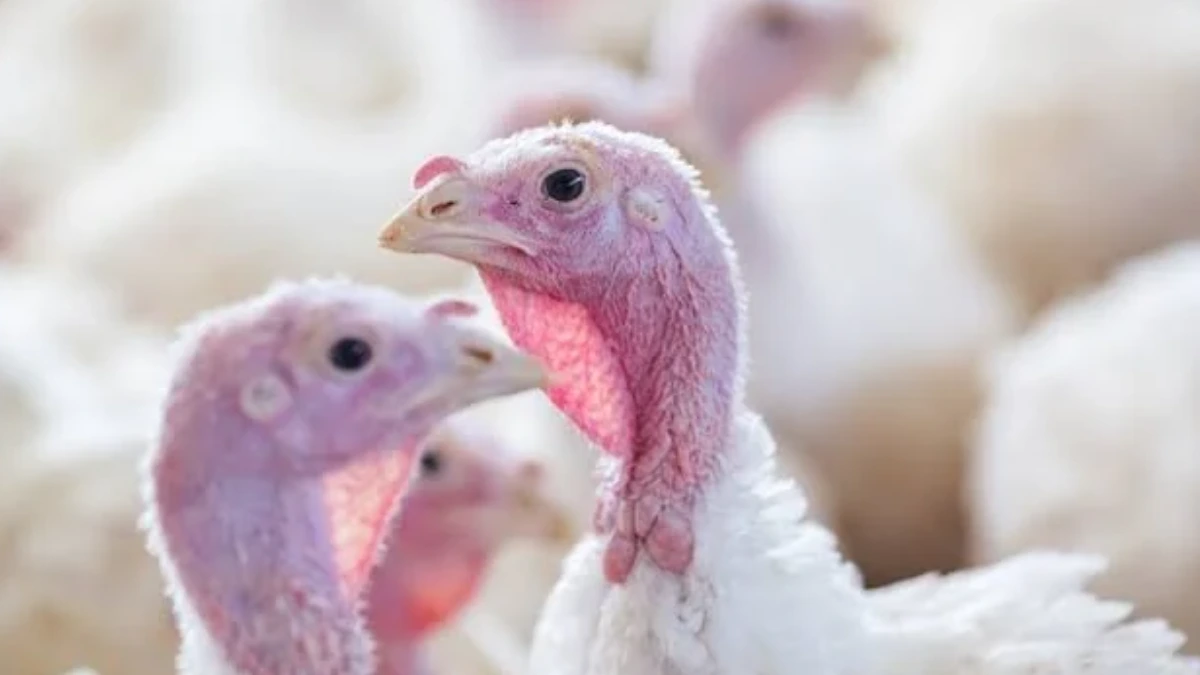
Are butterball turkeys being recalled Food safety concerns are growing in the United States after an investigation found elevated levels of Salmonella contamination in ground and chopped turkey products manufactured by Butterball, the country’s largest turkey producer. Inspection data from the US Department of Agriculture (USDA) revealed that a significant percentage of samples collected from the company’s processing facilities tested positive for the harmful bacteria.
The findings have raised questions about food safety practices in the poultry industry, particularly as millions of Americans purchase turkey products from major retailers. The investigation, conducted by The Guardian in partnership with investigative journalism organisation SourceMaterial, examined government inspection records covering fiscal years 2025 and 2026.
Salmonella Detected in Nearly 43% of Butterball Turkey Samples
According to the investigation, nearly 43% of ground or chopped turkey samples collected from Butterball’s four slaughterhouses over the past year tested positive for Salmonella. This figure was considerably higher than the results reported by some competing producers.
At Butterball’s Mount Olive facility in North Carolina, inspectors detected Salmonella in 16 out of 45 tested samples, representing approximately 36%. The facility is considered the largest turkey slaughterhouse in the United States and processes around 285,000 birds every week.
The USDA’s acceptable performance threshold for Salmonella contamination at individual plants is 13.5%. The Mount Olive facility’s results were substantially above that benchmark. However, exceeding the threshold does not automatically result in financial penalties or a mandatory product recall. Instead, the company must explain the corrective measures it is taking to address the problem.
Butterball Responds to Food Safety Concerns are butterball turkeys being recalled
Butterball has responded to the inspection findings by highlighting its commitment to food safety and ongoing efforts to improve manufacturing practices.
A company spokesperson said Butterball continues to invest in new technologies, strengthen production processes and work with food safety specialists to reduce harmful pathogens, including Salmonella.
The company also confirmed its participation in a pilot programme with the USDA’s Food Safety and Inspection Service (FSIS) to evaluate the causes of foodborne illnesses.
Butterball further emphasised that its whole turkey products and ready-to-eat cooked products did not show Salmonella contamination in the samples covered by the investigation.
Comparison With Other Major Turkey Producers are butterball turkeys being recalled
The investigation also examined contamination rates at other major poultry companies operating in the United States.
Jennie-O, one of Butterball’s biggest competitors, recorded a Salmonella detection rate of approximately 7% in ground and chopped turkey samples during the same period. California-based Foster Farms recorded a rate of 29%, while Illinois-based Koch Foods reported 27%.
These findings suggest that Salmonella contamination remains a wider food safety challenge across the poultry processing industry.
Experts have explained that ground and chopped meat can face additional contamination risks because the processing stages create more opportunities for bacteria to spread.
Antibiotic-Resistant Bacteria Raise Additional Concerns are butterball turkeys being recalled
Beyond Salmonella contamination, the investigation identified another public health concern involving antibiotic-resistant bacteria.
Approximately 65% of Salmonella and Campylobacter-positive samples from Butterball’s slaughterhouses showed resistance to at least one antibiotic. These bacteria can cause foodborne illnesses, and antibiotic resistance can make severe infections more difficult to treat.
Experts have raised concerns about the routine use of antibiotics in animal agriculture, warning that excessive or inappropriate use can contribute to antimicrobial resistance.
Butterball said it follows responsible antibiotic-use practices and reported that approximately 60% of its turkeys did not receive antibiotics during the previous year.
What Consumers Should Know About Salmonella
Salmonella is a type of bacteria that can cause food poisoning in humans. Common symptoms include diarrhoea, stomach cramps, fever, nausea and vomiting. Severe infections can sometimes require hospital treatment, particularly among vulnerable individuals.
Consumers should follow safe food-handling practices when preparing raw turkey. Health authorities recommend keeping raw poultry separate from ready-to-eat foods, washing hands and food-contact surfaces after handling raw meat, and cooking turkey to an internal temperature of 165°F (74°C), measured with a food thermometer.
Proper cooking significantly reduces the risk of Salmonella infection. Consumers should also follow product storage instructions and avoid cross-contamination during food preparation.
Conclusion
The discovery of elevated Salmonella levels in samples from Butterball facilities has renewed concerns about food safety in America’s poultry industry. Although the findings did not establish that every Butterball product was contaminated, the inspection results highlight the importance of effective monitoring, improved processing standards and responsible food production practices.
As investigations into poultry contamination and antibiotic resistance continue, consumers and regulators will be watching closely to see whether major producers take meaningful steps to strengthen food safety protections.