
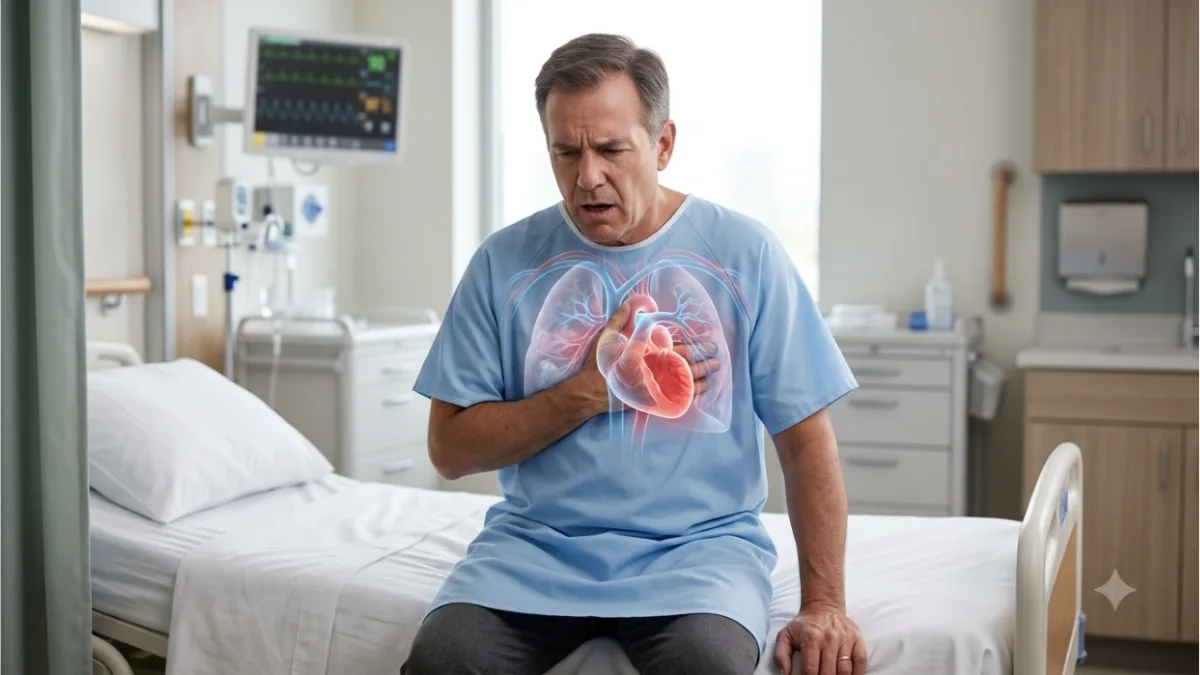
Congestive heart failure (CHF) symptoms is a condition in which the heart cannot pump blood as effectively as it should. This does not mean the heart has stopped working. Instead, it means the heart is weaker than normal and struggles to deliver enough oxygen-rich blood to the body’s organs.
When blood flow slows down, fluid can build up in the lungs, legs, feet, and other parts of the body. This fluid buildup is why the condition is called congestive heart failure.
Recognizing the early symptoms of congestive heart failure is important because early treatment can help improve quality of life and reduce the risk of serious complications.
What Is Congestive Heart Failure?
The heart has four chambers that pump blood throughout the body. When the heart muscle becomes weak or stiff, it cannot pump blood efficiently. As a result, blood backs up in the veins, and fluid collects in tissues.
Heart failure may affect:
- The left side of the heart
- The right side of the heart
- Both sides of the heart
Common Congestive Heart Failure Symptoms
Symptoms may develop slowly over months or appear suddenly.
| Symptom | Description |
|---|---|
| Shortness of breath | Trouble breathing during activity or while lying flat |
| Fatigue | Feeling unusually tired even after resting |
| Swollen feet and ankles | Fluid buildup causes swelling in the lower legs |
| Rapid weight gain | Sudden increase from fluid retention |
| Persistent cough | Often produces white or pink frothy mucus |
| Wheezing | Difficulty breathing due to fluid in the lungs |
| Fast or irregular heartbeat | Heart works harder to pump blood |
| Reduced exercise ability | Becoming tired during simple activities |
| Swollen abdomen | Fluid may collect in the stomach area |
| Frequent nighttime urination | Extra fluid is removed while lying down |
Early Warning Signs
Many people ignore the first symptoms because they can seem mild.
Early signs include:
- Feeling tired more often
- Getting out of breath while climbing stairs
- Mild swelling in the ankles
- Difficulty exercising
- Needing extra pillows to sleep comfortably
- Waking up at night feeling short of breath
Seeing a healthcare professional early can help prevent the condition from getting worse.
Symptoms That Need Immediate Medical Attention
Seek emergency medical care if you experience:
| Emergency Symptom | Why It Matters |
|---|---|
| Severe chest pain | Could signal a heart attack |
| Extreme shortness of breath | May indicate fluid in the lungs |
| Fainting | May result from poor blood flow |
| Blue lips or fingertips | Low oxygen levels |
| Confusion | Reduced blood flow to the brain |
| Coughing pink, frothy mucus | Possible severe heart failure |
Causes of Congestive Heart Failure
Many conditions can damage the heart over time.
| Cause | How It Affects the Heart |
|---|---|
| Coronary artery disease | Reduces blood flow to the heart muscle |
| High blood pressure | Forces the heart to work harder |
| Heart attack | Damages heart muscle permanently |
| Diabetes | Increases the risk of heart disease |
| Obesity | Places extra strain on the heart |
| Heart valve disease | Makes pumping blood more difficult |
| Irregular heartbeat | Reduces pumping efficiency |
| Kidney disease | Can worsen fluid retention |
Risk Factors
You may have a higher risk if you:
- Are over age 65
- Have high blood pressure
- Smoke
- Have diabetes
- Are overweight
- Eat a diet high in salt
- Drink excessive alcohol
- Do not exercise regularly
- Have a family history of heart disease
How Doctors Diagnose Congestive Heart Failure
Doctors may use several tests to confirm the condition.
| Test | Purpose |
|---|---|
| Physical examination | Checks swelling and heart sounds |
| Blood tests | Measures markers related to heart function |
| Electrocardiogram (ECG) | Detects abnormal heart rhythm |
| Echocardiogram | Shows heart structure and pumping ability |
| Chest X-ray | Looks for fluid in the lungs |
| Stress test | Evaluates heart function during activity |
| CT or MRI scan | Provides detailed heart images |
Treatment Options
Treatment depends on the cause and severity of the condition.
Medications
Doctors may prescribe medicines to:
- Remove excess fluid
- Lower blood pressure
- Improve heart function
- Slow the heart rate
- Reduce strain on the heart
Always take medications exactly as prescribed.
Lifestyle Changes
Healthy habits can help manage congestive heart failure.
| Healthy Habit | Benefit |
|---|---|
| Eat less salt | Helps reduce fluid buildup |
| Exercise regularly | Improves heart strength |
| Maintain a healthy weight | Reduces stress on the heart |
| Quit smoking | Improves circulation |
| Limit alcohol | Protects heart function |
| Monitor daily weight | Detects fluid retention early |
| Sleep well | Supports overall heart health |
Foods to Eat
Choose heart-healthy foods such as:
- Fresh fruits
- Vegetables
- Whole grains
- Fish
- Beans
- Skinless chicken
- Nuts
- Low-fat dairy
- Olive oil
Foods to Limit
Reduce foods high in:
- Salt
- Processed meats
- Fried foods
- Sugary drinks
- Fast food
- Packaged snacks
- High-fat desserts
Possible Complications
Without treatment, congestive heart failure can lead to:
| Complication | Description |
|---|---|
| Kidney damage | Reduced blood flow affects kidney function |
| Liver problems | Fluid buildup can damage the liver |
| Heart rhythm disorders | May increase stroke risk |
| Heart valve damage | Extra pressure affects valves |
| Sudden cardiac arrest | Rare but life-threatening |
Prevention Tips
You can lower your risk by:
- Keeping blood pressure under control
- Managing diabetes
- Staying physically active
- Eating a balanced diet
- Maintaining a healthy weight
- Avoiding tobacco
- Limiting alcohol
- Managing stress
- Getting regular health checkups
Frequently Asked Questions
What are the first symptoms of congestive heart failure?
Early symptoms often include shortness of breath during activity, fatigue, swelling in the ankles or feet, and reduced ability to exercise.
Can congestive heart failure be cured?
There is usually no cure, but treatment and healthy lifestyle changes can help control symptoms, slow progression, and improve quality of life.
Is congestive heart failure serious?
Yes. It is a long-term condition that can become life-threatening if left untreated. Early diagnosis and proper treatment are important.
Can exercise help?
Many people benefit from regular, doctor-approved physical activity. Your healthcare provider can recommend an exercise plan that matches your condition.
How long can someone live with congestive heart failure?
Life expectancy varies depending on the cause, severity, age, overall health, and how well the condition is managed. Many people live for years with appropriate treatment and follow-up care.
Conclusion
Congestive heart failure is a serious condition, but recognizing the symptoms early can make a significant difference. Shortness of breath, swelling in the legs, fatigue, and rapid weight gain should never be ignored. With early diagnosis, prescribed medications, heart-healthy lifestyle changes, and regular medical care, many people can manage their symptoms and maintain a good quality of life.
Medical Disclaimer: This article is for informational purposes only and should not replace professional medical advice, diagnosis, or treatment. If you experience symptoms of heart failure or have concerns about your heart health, seek advice from a qualified healthcare professional or emergency medical services if symptoms are severe.
Follow us Health news