
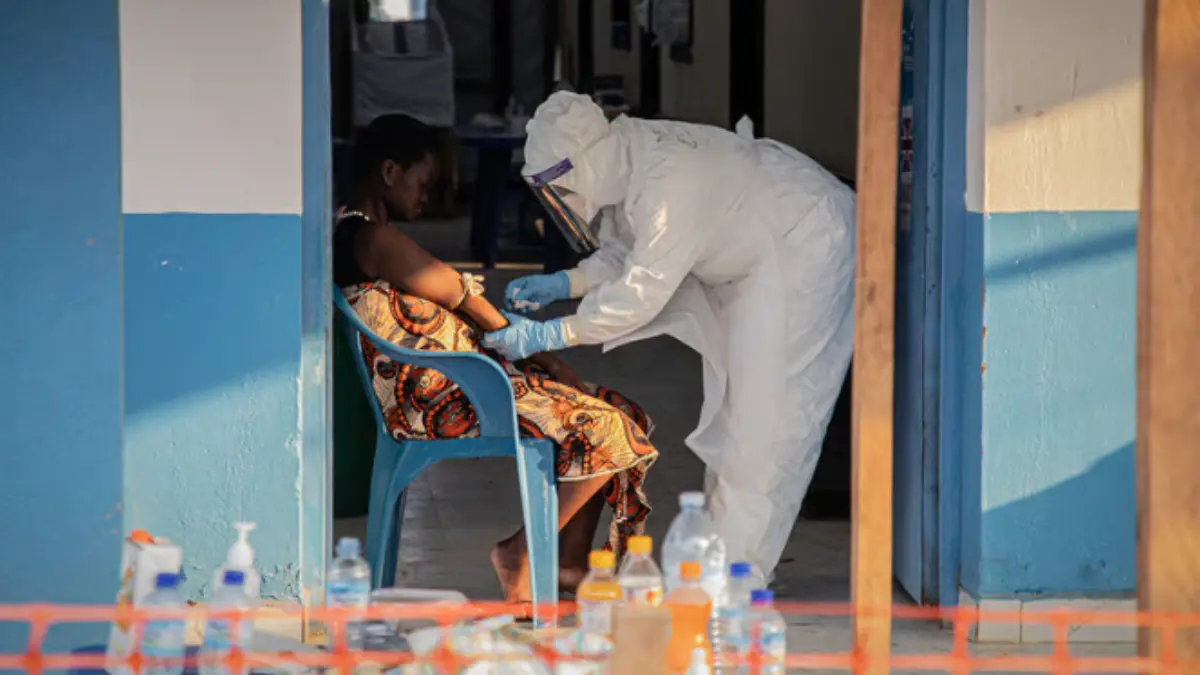
A rising Ebola outbreak has triggered renewed concerns among health experts as health authorities work to slow transmission and prevent the virus from spreading further. Medical teams are increasing emergency response efforts as new infections place additional pressure on healthcare systems in affected regions.
The outbreak has highlighted ongoing challenges in controlling deadly infectious diseases, especially in areas where healthcare access, security concerns, and limited resources make rapid response more difficult.
Ebola Cases Increase as Response Efforts Intensify
Health officials are working to identify new cases, trace contacts, and isolate infected patients as the virus continues to circulate. Response teams have expanded monitoring efforts and are urging communities to report symptoms early to reduce the risk of further transmission.
Experts say quick detection remains one of the most important tools in controlling Ebola outbreaks, as delays can allow the virus to spread through communities.
Healthcare Systems Face Major Challenges
The growing number of infections has increased pressure on local hospitals and medical workers. Frontline healthcare teams are providing treatment while also protecting themselves from exposure to the virus.
In some affected areas, limited medical infrastructure and difficult travel conditions have made it harder to deliver supplies, conduct testing, and reach vulnerable communities.
Health Experts Warn About Continued Risks
Ebola outbreaks can become difficult to contain when cases appear in multiple locations or when people are exposed before infections are identified. Specialists say public awareness, early treatment, and cooperation with health workers are essential to reducing transmission.
Authorities are also focusing on improving surveillance systems and strengthening emergency preparedness to respond quickly to new cases.
International Support Joins Local Response
Global health organizations and international partners are assisting local authorities with medical supplies, laboratory support, training, and outbreak monitoring.
Health agencies continue to track developments closely while working with governments to improve containment measures and protect communities at risk.
Urgent Action Needed to Prevent Further Spread
Officials say controlling the outbreak will require a coordinated response involving healthcare workers, governments, and local communities. While Ebola remains a serious public health threat, experts believe early intervention and strong response measures can help limit its impact.
As transmission continues to be monitored, health authorities are emphasizing prevention, rapid diagnosis, and public cooperation as the best ways to bring the outbreak under control.
To know more Health news