
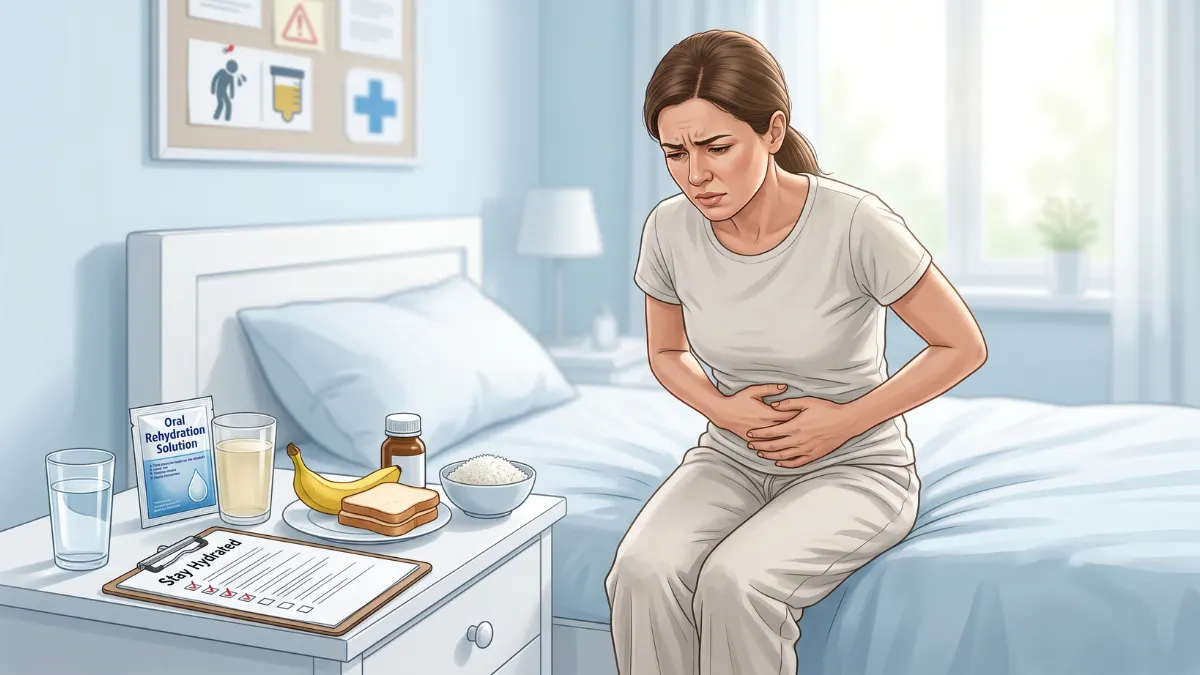
Diarrhea is one of the most common digestive problems, affecting millions of people every year. In many cases, it goes away within a few days without medical treatment. However, the way people respond to diarrhea can sometimes make the condition worse or delay recovery. Health experts say avoiding a few common mistakes can help reduce discomfort and prevent complications such as dehydration.
Ignoring the Risk of Dehydration for Diarrhea
One of the biggest mistakes is focusing only on stopping diarrhea instead of replacing lost fluids. Frequent loose stools cause the body to lose water and essential minerals like sodium and potassium. Simply drinking plain water may not always be enough, especially if diarrhea is severe or lasts for more than a day. Oral rehydration solutions or electrolyte drinks can help restore the body’s fluid balance more effectively.
Children, older adults, and people with chronic health conditions are particularly vulnerable to dehydration. Signs such as dry mouth, dizziness, dark-colored urine, extreme thirst, or reduced urination should never be ignored.
Taking Medication Too Soon
Many people immediately reach for over-the-counter anti-diarrheal medicines without understanding the cause of their illness. While these medications may provide temporary relief, they are not suitable for every situation.
If diarrhea is caused by certain bacterial infections or food poisoning, slowing bowel movements may keep harmful bacteria or toxins inside the body longer. Experts recommend seeking medical advice if diarrhea is accompanied by high fever, severe abdominal pain, or blood in the stool before taking anti-diarrheal medication.
Eating the Wrong Foods
Another common mistake is continuing to eat foods that can irritate the digestive system. Fatty meals, spicy foods, alcohol, excessive caffeine, and dairy products may worsen symptoms for some people.
Instead, doctors often recommend simple, easy-to-digest foods such as bananas, rice, applesauce, toast, boiled potatoes, oatmeal, and clear soups. Eating small meals throughout the day can also be gentler on the stomach than consuming large portions.
Using Antibiotics Without Medical Advice for diarrhea
Some people assume antibiotics will quickly cure diarrhea. In reality, most cases are caused by viruses, against which antibiotics do not work. Taking antibiotics unnecessarily can contribute to antibiotic resistance and may even trigger another form of diarrhea by disrupting healthy gut bacteria.
Only a healthcare professional can determine whether antibiotics are appropriate based on the cause of the illness.
Waiting Too Long to Seek Medical Care
Although most diarrhea resolves within a few days, persistent symptoms may signal a more serious problem. Medical attention should be sought if diarrhea lasts more than two to three days without improvement, causes signs of severe dehydration, includes blood or black stools, or is accompanied by a high fever.
People with weakened immune systems, infants, and older adults should seek care earlier because they are at greater risk of complications.
Simple Steps for a Faster Recovery
The best approach to treating diarrhea is often the simplest: stay hydrated, eat bland foods, get adequate rest, and avoid unnecessary medications unless advised by a healthcare provider. Good hand hygiene and proper food safety practices can also reduce the risk of future infections.
By recognizing these common mistakes and responding appropriately, most people can recover safely while knowing when professional medical care is needed. Early attention to warning signs can make a significant difference in preventing dehydration and other serious complications.
To know more Health information.