
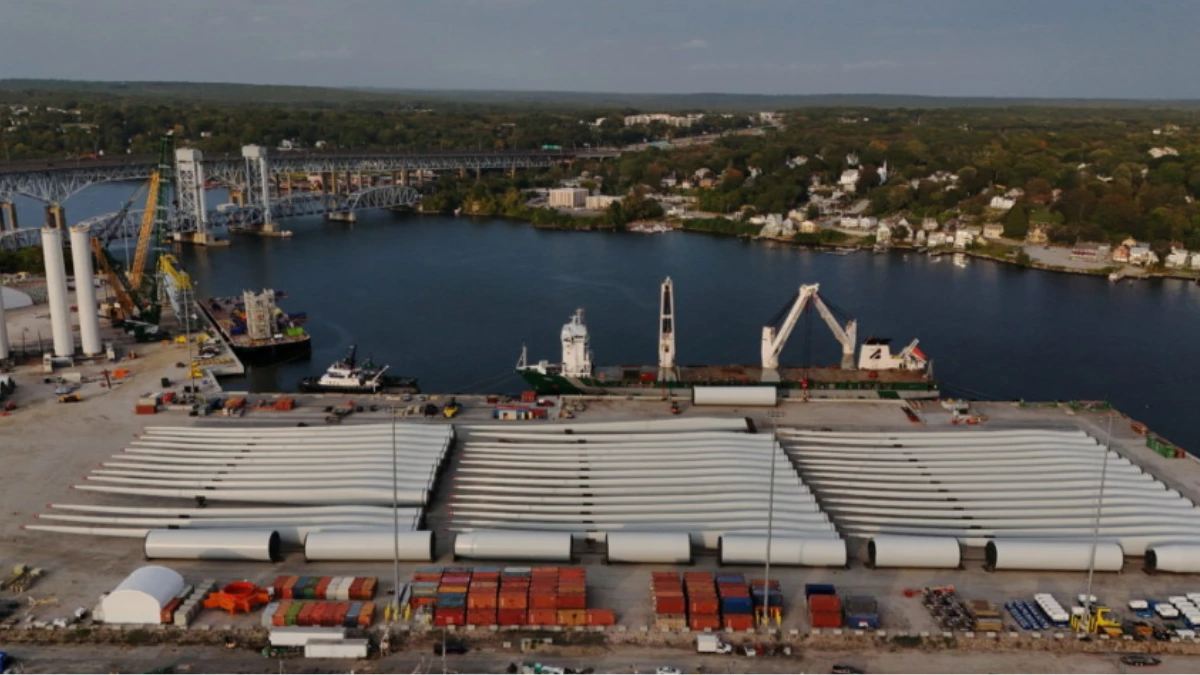
Offshore wind development has become one of the most debated energy issues in the United States. Former President Donald Trump has repeatedly argued that the rapid expansion of offshore wind projects should be slowed or stopped, citing concerns about national security, environmental impacts, and economic priorities.
His position marks a sharp contrast with policies that promote renewable energy as part of the nation’s long-term strategy to reduce greenhouse gas emissions and diversify electricity generation.
National Security Is Central to the Argument
One of Trump’s primary reasons for opposing offshore wind projects is the belief that large wind turbines could interfere with military operations and national defense systems.
Supporters of this view argue that offshore wind farms may affect radar performance, military training exercises, and surveillance activities in certain coastal regions. They contend that projects located near defense installations should undergo rigorous review before receiving federal approval.
Federal agencies already evaluate many offshore wind proposals for potential impacts on defense operations, but critics argue that the review process should be even more stringent.
Environmental and Community Concerns
Trump has also pointed to environmental issues, saying offshore wind projects may affect marine ecosystems, commercial fishing, and coastal communities.
Some fishing groups have expressed concerns that turbine construction could alter fishing grounds or disrupt marine habitats. Others worry that underwater construction noise and increased vessel traffic could affect marine wildlife.
Environmental organizations, however, note that many projects are designed to minimize these impacts through extensive planning, monitoring, and mitigation measures.
Economic Debate Continues
The offshore wind industry says the sector has the potential to create thousands of jobs in manufacturing, construction, engineering, and port development. Developers argue that expanding renewable energy can strengthen domestic energy production while reducing dependence on fossil fuels.
Opponents question whether government incentives make offshore wind economically sustainable. They argue that taxpayers could bear significant costs if projects require long-term subsidies or face construction delays.
The debate has become part of a broader discussion about America’s energy future and how to balance affordability, reliability, and environmental goals.
Supporters Defend Offshore Wind
Advocates of offshore wind maintain that it is an important source of clean electricity capable of helping states meet climate and emissions targets.
They argue that technological improvements have increased turbine efficiency while reducing costs over time. Industry leaders also point to growing investments in U.S. manufacturing and supply chains as evidence that offshore wind can contribute to long-term economic growth.
Supporters further emphasize that federal permitting already involves environmental reviews and consultations with defense agencies before projects move forward.
What Could Happen Next?
If future federal policies place greater restrictions on offshore wind development, developers could face additional permitting requirements, project delays, or cancellations. Such changes may influence investment decisions and the pace of renewable energy expansion in coastal states.
At the same time, supporters of offshore wind are expected to continue advocating for policies that encourage renewable energy development while addressing legitimate concerns related to national security and environmental protection.
The Bottom Line
Trump’s efforts to curb offshore wind growth reflect broader disagreements over energy policy in the United States. While supporters view offshore wind as a key part of the nation’s clean energy transition, critics believe national security, environmental impacts, and economic considerations warrant a more cautious approach. The debate is likely to remain a significant issue as policymakers weigh competing priorities for America’s energy future.
To read more for Business & Finance news