
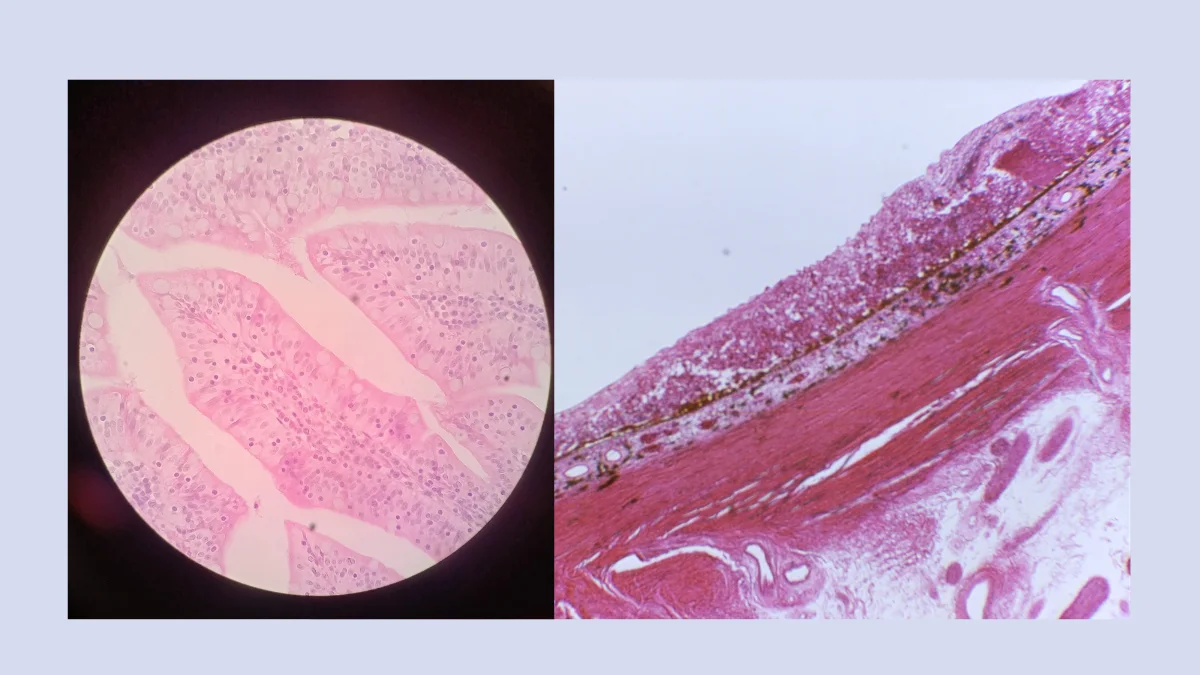
Health officials across the United States are racing to identify the source of a foodborne parasite outbreak that has sickened more than 2,000 people this summer. Despite the growing number of cases, investigators have yet to pinpoint the contaminated food responsible, highlighting the unique challenges of tracking infections caused by the parasite Cyclospora cayetanensis.
Why the Source Remains Elusive
Unlike many foodborne illnesses that appear within hours, Cyclospora infections often take up to two weeks before symptoms develop. This long incubation period makes it difficult for patients to remember exactly what they ate before becoming ill. By the time health authorities begin interviewing infected individuals, many can no longer accurately recall specific meals or food purchases, slowing efforts to identify a common source.
The parasite is most commonly spread through contaminated fresh produce, including leafy greens, herbs and berries. Because these foods are often distributed through complex supply chains and consumed raw, tracing contamination back to a single farm or supplier can be extremely challenging.
Detecting the Parasite Is Difficult
Cyclospora also presents diagnostic challenges. Standard laboratory tests for gastrointestinal illnesses do not always screen for the parasite, meaning doctors must specifically request testing when symptoms persist. As a result, many infections may go undiagnosed initially, delaying public health investigations and allowing outbreaks to grow before they are detected.
Protecting Yourself
The illness typically causes prolonged watery diarrhea, stomach cramps, fatigue and loss of appetite. While most healthy people recover with appropriate treatment, symptoms can last for weeks without antibiotics. Public health experts recommend thoroughly washing fresh produce, cooking vegetables whenever possible and seeking medical attention if severe or persistent diarrhea develops.
Investigators from state health departments and federal agencies continue to examine food histories, supply chains and laboratory data in hopes of identifying the contaminated product. Until then, officials say preventing further infections will depend on careful food handling, improved surveillance and rapid reporting of new cases.
To know more Health news