
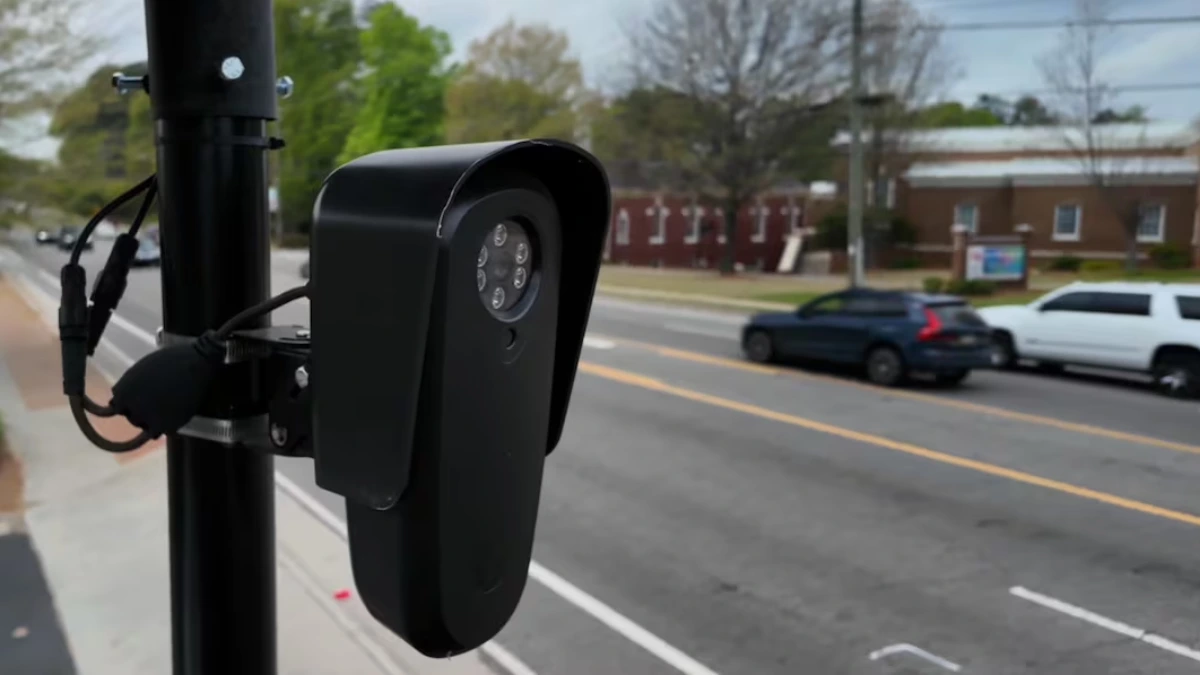
Drivers now have a way to find out whether their license plates have been searched through Flock’s network of automated surveillance cameras, as concerns continue to grow over how the technology is being used by law enforcement.
A website called Have I Been Flocked allows people to enter a license plate number and search publicly available audit logs showing searches conducted through Flock’s system. The site was created as more communities across the country adopt the technology.
How to Check Your License Plate
The process is relatively straight forward. Drivers can visit Have I Been Flocked and enter their license plate number into the site’s search tool.
The website uses information obtained through Freedom of Information Act requests. Those public records contain audit logs from agencies using Flock cameras, allowing the site to compile information about searches of license plates.
According to the website, license plate numbers entered into the search tool are not saved.
What the Results Mean
There is an important distinction between a camera capturing a vehicle and an agency searching for its license plate.
A result on Have I Been Flocked does not necessarily mean that a Flock camera photographed your vehicle as it drove past. Instead, the database shows searches of a particular license plate that were conducted by agencies using the Flock system. It also does not show what information a camera returned when a vehicle was captured.
The website also provides information about the stated reasons for searches when those details are available in public records. Drug-related investigations appeared most frequently in the data cited by Hawaii News Now, followed closely by motor vehicle theft.
Why Flock Cameras Are Drawing Attention
Flock’s automated license plate readers have expanded rapidly across the United States, with law enforcement agencies using the technology to help investigate crimes and locate vehicles.
But the growing network has also raised privacy concerns. Questions have been raised about who can access the information, how long vehicle data is retained and whether officers can misuse the system.
Hawaii News Now cited several reported cases of improper searches. In North Carolina, for example, an officer was arrested after allegedly using the Flock system more than 30 times to track her boyfriend’s ex-wife. The officer was subsequently fired.
There have also been concerns about whether immigration enforcement agencies could access information collected through Flock cameras.
Flock Announces New Safeguards
Flock Safety CEO Garrett Langley has announced changes intended to strengthen oversight of the system. Among the planned measures is a tool designed to identify abnormal search behavior.
The changes are scheduled to be implemented by Jan. 1, according to the report. The American Civil Liberties Union called the proposed measures a step in the right direction while continuing to raise concerns about the broader privacy implications of the technology.
For drivers, the Have I Been Flocked database provides one way to examine publicly available information about searches involving their license plates. However, because the site’s records come from public-record requests and do not represent every camera capture, a search result or lack of one does not provide a complete history of where a vehicle has been recorded.
As Flock cameras continue to spread, the ability to understand when and why vehicle information is searched is likely to remain an important part of the debate over surveillance, public safety and privacy.
Source: hawaiinewsnow.com