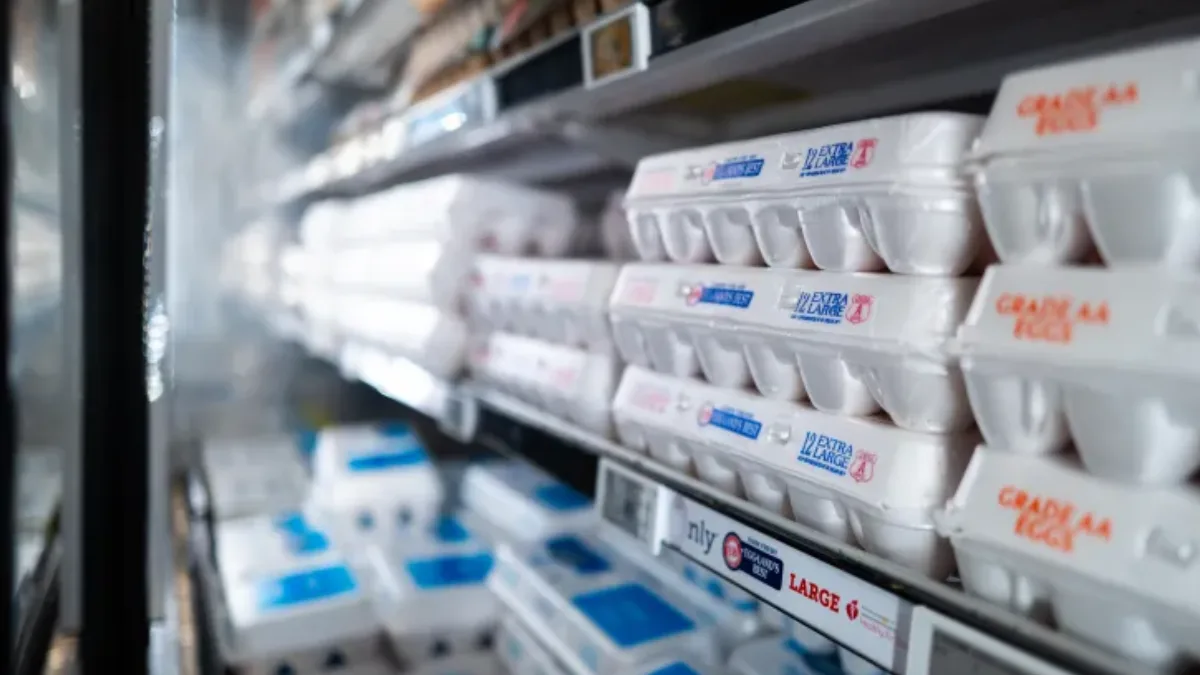
Food recalls August 2026 have become a regular part of the news cycle, leaving many consumers wondering whether the country is experiencing an unusually serious food-safety problem. Recent recalls have involved eggs, iceberg lettuce, jalapeños, frozen berries and fruit products, with concerns ranging from salmonella and E. coli to cyclospora and possible glass contamination.
Are There Actually More Recalls?
The numbers suggest the situation is more complicated than it appears. As of July 31, the United States had recorded 122 food and beverage recalls, compared with 135 during the same period in 2025 and 146 in 2024. Experts say that while recall activity appears elevated, it is still too early to determine whether 2026 will ultimately surpass previous years.
What stands out is the size and impact of some individual recalls. A small number of large-scale incidents can affect millions of consumers, making them much more noticeable than numerous smaller recalls. A cyclospora outbreak linked to lettuce, for example, was associated with more than 9,000 illnesses in the United States.
Why Recalls Are Getting So Much Attention
Social media and continuous news coverage may also be making the problem feel larger. Recall announcements from federal agencies can quickly spread through television, websites and social platforms, where viral warning posts can reach thousands of people.
That increased awareness can be helpful because consumers learn more quickly about potentially dangerous products. However, experts warn that repeated warnings could eventually create “recall fatigue,” causing people to pay less attention when a new safety alert appears.
Concerns Over Food-Safety Oversight
Another concern involves the resources available to federal agencies responsible for monitoring food safety. The FDA’s budget reportedly declined by $271 million from the previous year, while the agency and the Centers for Disease Control and Prevention experienced significant staffing reductions. The Government Accountability Office has also reported staffing shortages at the FDA as inspection demands increase.
The FDA has also delayed enforcement of its Traceability Rule, which is designed to improve record-keeping and make it easier to identify and remove contaminated food from the supply chain. Enforcement was pushed from January 2026 to 2028.
For consumers, the wave of high-profile recalls can understandably be unsettling. But experts say the goal should not be fewer public warnings. Instead, stronger prevention, faster detection, clearer communication and better oversight are needed to reduce outbreaks and restore confidence in the food-safety system.
Source : theverge.com