
Google Store shoppers comparing the Google Pixel 11 and the Samsung Galaxy S26 will find two different approaches to the Android flagship market, with Google emphasizing artificial intelligence and computational photography while Samsung continues to focus on display technology, performance and a broad range of features.
The comparison is particularly relevant as the Pixel 11 generation arrives alongside Samsung’s Galaxy S26 lineup. Recent comparisons show that the two companies are targeting users with different priorities, especially around cameras, processing power, software and AI features.
Design and Display
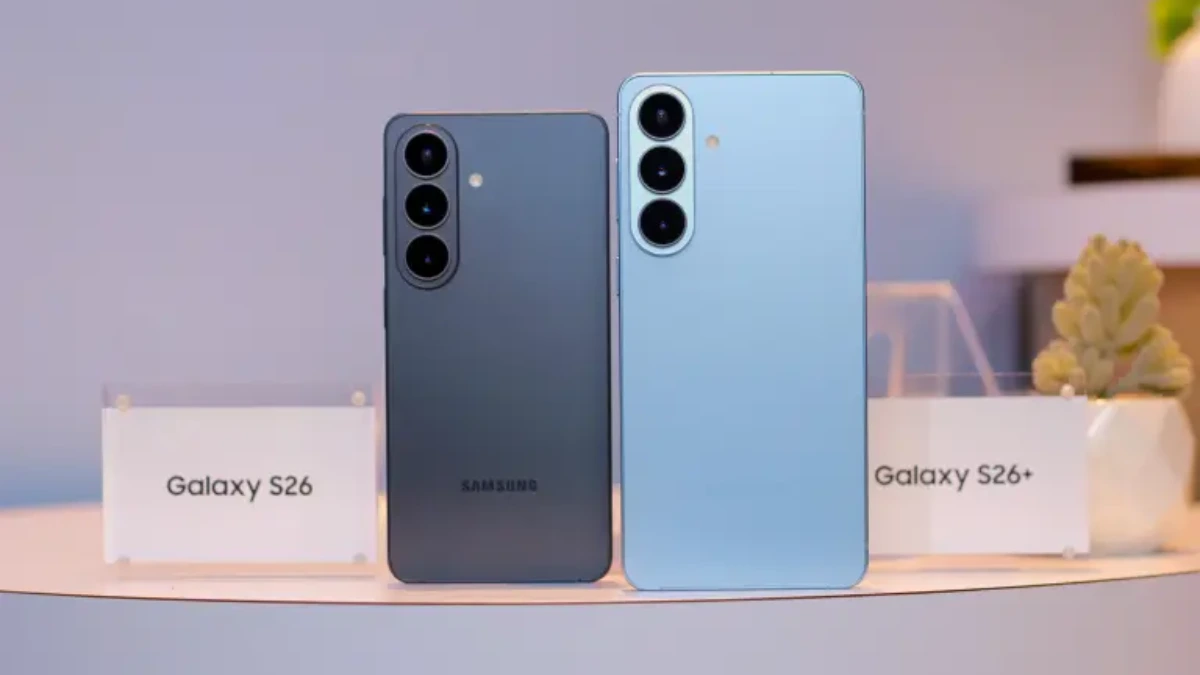
The Pixel 11 continues Google’s distinctive design language, including its recognizable rear camera bar. Samsung’s Galaxy S26 takes a more traditional flagship approach with a flat display and a streamlined camera arrangement.
Display differences are expected to be relatively modest on the standard models, with both phones targeting users who want high-refresh-rate OLED screens. Samsung has traditionally placed considerable emphasis on display quality, while Google’s Pixel lineup focuses heavily on software-driven improvements to the overall viewing and user experience.
Performance
One of the biggest differences between the phones is their approach to processing.
Google’s Pixel 11 lineup uses the company’s Tensor platform, which is designed around artificial intelligence and machine-learning workloads. Samsung’s Galaxy S26 family uses high-end Snapdragon hardware in some markets, with the emphasis placed more heavily on raw performance and graphics capabilities.
That distinction could matter most to users who play demanding games. Recent comparisons of the higher-end Pixel 11 Pro XL and Galaxy S26 Ultra suggest Samsung retains an advantage in gaming performance, while Google continues to differentiate its phones through AI-powered features.
Cameras
Photography remains one of the strongest reasons to consider a Pixel phone. Google has built its reputation around computational photography, using software and AI to enhance images rather than relying solely on camera hardware.
Samsung, meanwhile, offers a broader range of camera hardware and continues to compete aggressively in zoom photography and video recording.
Google is also introducing new software features aimed at making it easier for ordinary users to capture and edit content. The Pixel 11 generation includes features designed to extract useful moments from video and simplify the process of creating photos and clips.
AI and Software
AI is expected to be one of the most important differences between the Pixel 11 and Galaxy S26.
Google has deep integration between Pixel hardware and its Gemini-powered software ecosystem. Many Pixel features are designed around Google’s ability to process images, voice, text and other information directly on the device or through its AI services.
Samsung has taken a similar direction with Galaxy AI, integrating artificial intelligence into its camera, communication, productivity and personalization tools.
For buyers who prioritize AI features, the choice may ultimately come down to which software ecosystem they prefer rather than a simple hardware comparison.
Battery and Charging
Battery performance is another area where the two companies take different approaches.
Google has continued to increase battery capacity on its higher-end Pixel models. The Pixel 11 Pro XL, for example, is listed with a 5,115mAh battery, compared with 5,000mAh in the Galaxy S26 Ultra. Google also rates its Pixel 11 models for more than 30 hours of typical use.
Samsung, however, has an advantage in charging speed on its Ultra model, with support for up to 60-watt wired charging compared with 45 watts for the Pixel 11 Pro XL.
Real-world battery life will depend on factors such as display settings, network use, gaming and AI workloads.
Price and Availability
Price is likely to be an important factor for shoppers deciding between the two brands. Samsung’s Galaxy S26 is already part of the company’s current flagship lineup, while Google’s Pixel 11 family is positioned as its latest-generation flagship series. Current market listings show the two families competing in the premium Android segment, although pricing varies considerably by model, storage configuration and region.
Buyers should also pay attention to launch promotions and trade-in offers, which can substantially change the effective price of either phone.
Which Phone Should You Choose?
The Pixel 11 is likely to appeal most to buyers who prioritize Google’s clean Android experience, computational photography and AI-powered software features.
The Galaxy S26, meanwhile, is a strong choice for users who want Samsung’s display technology, powerful hardware, extensive customization options and Galaxy AI features.
Ultimately, neither phone is likely to be the clear winner for everyone. The Pixel 11 is more compelling for Google’s software and AI ecosystem, while the Galaxy S26 offers a broader hardware-focused flagship experience.
Source: cnet