
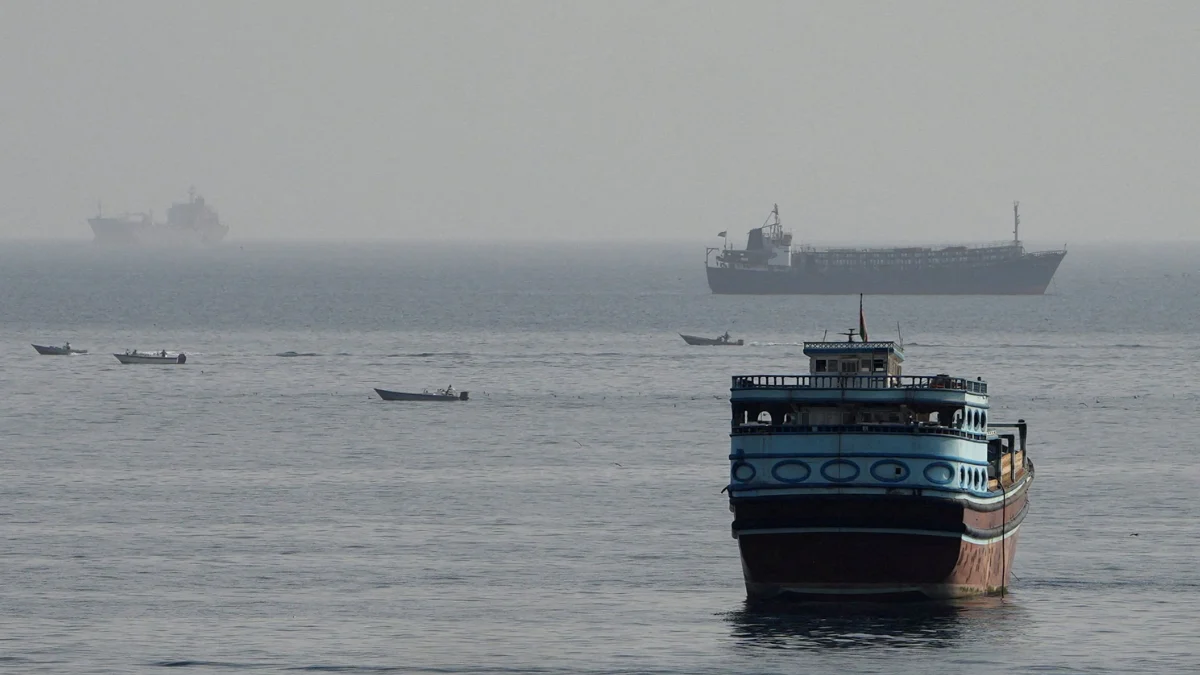
Oman : Fresh diplomatic efforts surrounding the Strait of Hormuz are drawing international attention as Iran and regional partners continue discussions aimed at easing tensions in one of the world’s most strategically important waterways. The proposed Hormuz agreement is seen as a potential turning point after months of military confrontations that disrupted commercial shipping and raised concerns over global energy supplies.
While negotiators have reportedly made progress on technical and maritime issues, officials acknowledge that several political and security matters remain unresolved before a final agreement can be reached. Even so, the ongoing dialogue has encouraged optimism among shipping companies, energy traders, and regional governments hoping for a more predictable security environment.
The Strait of Hormuz carries a significant share of the world’s oil and liquefied natural gas exports, making any change in its security situation a matter of global economic importance. Recent instability in the region led to higher insurance costs for commercial vessels, increased military patrols, and volatile energy prices.
A successful agreement could restore confidence in international shipping while reducing the risk of future disruptions. Analysts believe that improved cooperation between regional states may also encourage broader diplomatic engagement across the Gulf, creating opportunities for economic recovery and renewed investment.
Although challenges remain, many observers view the negotiations as an important step toward lowering tensions in a region that has experienced repeated security crises over the past year.
US Military Supply Debate Shapes Strategic Calculations
At the same time, debate continues in Washington over the condition of U.S. munitions stockpiles following months of military operations and continued support for allies. Reports questioning the availability of certain precision-guided weapons have fueled discussions among lawmakers and defense experts about long-term military readiness.
U.S. officials have maintained that the country’s armed forces remain fully capable of meeting operational requirements, while emphasizing that diplomacy remains the preferred approach for preventing further conflict in the Middle East. The discussion has become increasingly relevant as policymakers balance support for international partners with the need to maintain strategic reserves for future contingencies.
The overlap between the Hormuz negotiations and the U.S. defense debate reflects the increasingly interconnected nature of global security. Energy markets, shipping companies, and financial investors are closely monitoring developments, recognizing that both diplomatic progress and military preparedness can influence regional stability.
If negotiations ultimately lead to a lasting agreement, the Strait of Hormuz could become a symbol of renewed cooperation rather than confrontation. However, experts caution that meaningful stability will require continued dialogue, transparent implementation of any agreement, and sustained efforts by all parties to prevent future escalation.
Until a final deal is formally concluded, governments and markets are expected to remain attentive to every diplomatic development that could reshape the balance of power in the Gulf.
To know more for Politics news