
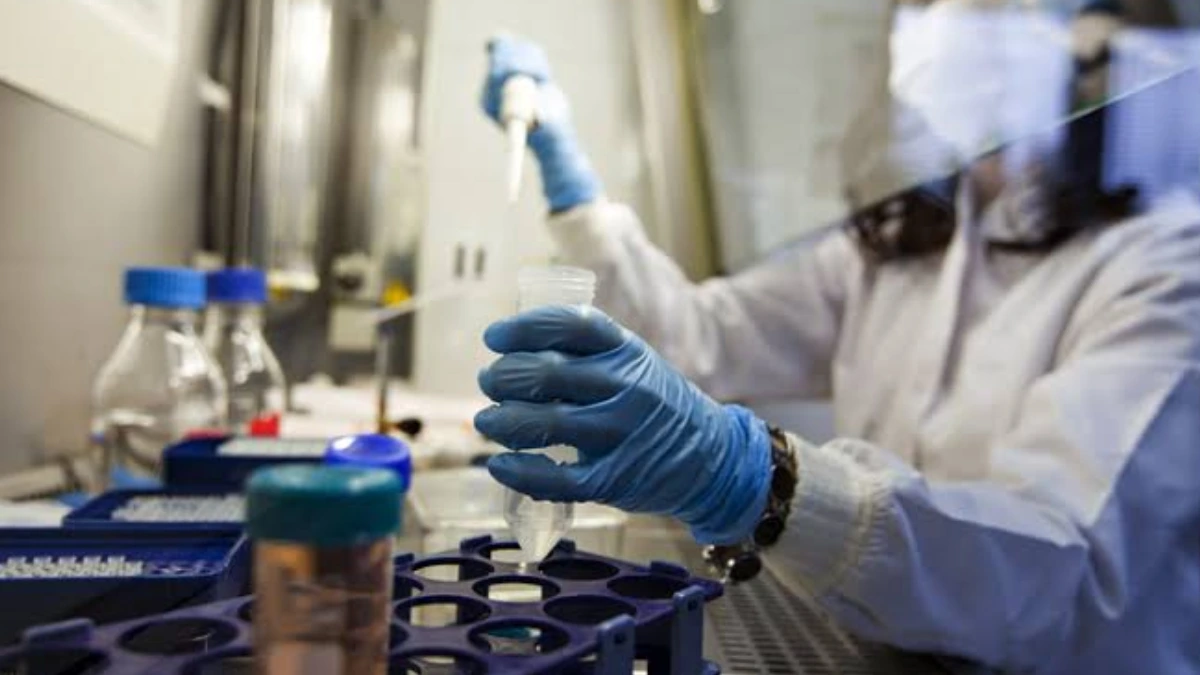
Pancreatic cancer drug daraxonrasib A promising new cancer treatment combination is offering fresh hope for patients battling advanced pancreatic cancer after early clinical trial results showed significant tumor reduction in most participants. Researchers found that combining an experimental oral medication with two standard chemotherapy drugs helped shrink tumors or stop cancer growth in the majority of patients with metastatic pancreatic cancer.
The findings were presented at the EORTC-NCI-AACR Symposium in Barcelona, Spain, on November 20, 2026. The research focused on a combination of daraxonrasib, an experimental daily pill, and two established chemotherapy medications, gemcitabine and nab-paclitaxel. The results have attracted attention because pancreatic cancer remains one of the most difficult cancers to treat, particularly after it spreads to other organs.
Clinical Trial Shows Encouraging Tumor Reduction pancreatic cancer drug daraxonrasib
The early-stage clinical trial included 61 patients diagnosed with advanced pancreatic cancer that had spread beyond the pancreas. Participants had not previously received treatment for their advanced disease.
Researchers reported that tumors shrank in 60.7% of patients receiving the combination treatment. In 8.2% of participants, tumors disappeared entirely from imaging scans. Overall, the treatment combination prevented cancer growth in 90.2% of patients during the study period.
Another encouraging finding involved the time patients remained free from worsening disease. The median progression-free survival reached 12.8 months, suggesting that the combination could help control cancer for longer than traditional chemotherapy alone in comparable patient populations.
Researchers also reported that 76.6% of participants were still alive one year after beginning treatment. The median follow-up period was approximately 18 months.
How the Experimental Drug Combination Works pancreatic cancer drug daraxonrasib
The treatment combines three medications that work in different ways to fight cancer.
Daraxonrasib is an experimental oral medication designed to target active RAS proteins, which play an important role in controlling cell growth. More than 90% of pancreatic cancers involve changes in the RAS signaling pathway, making it an important target for cancer researchers.
The other two medications, gemcitabine and nab-paclitaxel, are established chemotherapy drugs used to treat pancreatic cancer. They work by damaging cancer cells and interfering with their ability to grow and divide.
By combining targeted treatment with conventional chemotherapy, researchers hope to attack cancer through multiple mechanisms. This approach could potentially improve tumor response and extend the period during which the disease remains under control.
Why the Findings Matter for Pancreatic Cancer Patients
Pancreatic cancer is particularly challenging because many patients are diagnosed after the disease has already spread. Early symptoms can be difficult to recognize, and treatment options become more limited once the cancer reaches an advanced stage.
Traditional chemotherapy can help some patients experience tumor shrinkage, but the disease frequently develops resistance and begins growing again.
The latest results suggest that targeting RAS-related cancer growth alongside standard chemotherapy could provide a stronger treatment response for certain patients.
Study investigator Dr. Wungki Park, a gastrointestinal medical oncologist at Memorial Sloan Kettering Cancer Center, highlighted the encouraging tumor responses and the potential for longer-lasting disease control.
The findings also support broader research into targeted therapies for cancers driven by RAS mutations.
Side Effects and Important Study Limitations
Although the results are encouraging, researchers say more evidence is needed before the combination can be considered an established treatment option.
Reported side effects included skin rash, diarrhea, fatigue and low blood cell counts associated with chemotherapy. Most side effects were manageable with standard medical care, and approximately 5% of participants discontinued treatment because of side effects attributed to daraxonrasib.
The trial was relatively small, involving only 61 patients, and did not include a separate group receiving standard chemotherapy alone. This means researchers cannot yet establish precisely how much additional benefit the experimental combination provides compared with conventional treatment.
The study was also funded by Revolution Medicines, the company developing daraxonrasib.
Larger Clinical Trials Will Determine What’s Next
Researchers are moving forward with a larger randomized Phase 3 clinical trial known as RASolute-303. The study is designed to compare daraxonrasib-based treatment approaches with standard chemotherapy to better understand their effectiveness and safety.
The larger trial could help determine whether the promising early results translate into meaningful improvements in overall survival and long-term disease control.
For patients and families affected by advanced pancreatic cancer, the findings represent an encouraging development in an area where treatment progress has historically been difficult.
However, medical experts caution that the experimental combination should not be described as a cure. Additional clinical research and longer follow-up will be necessary to establish its potential benefits.
As scientists continue exploring targeted cancer treatments, the latest findings provide another reason for optimism about the future of pancreatic cancer research.