
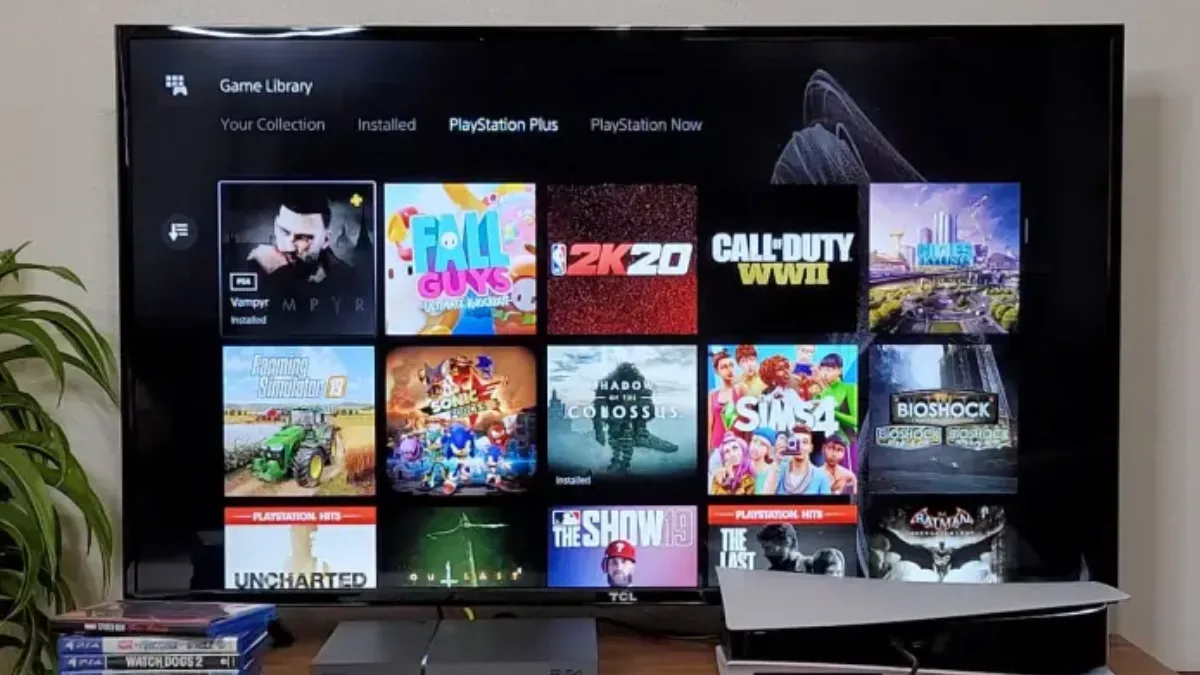
PlayStation blackout physical media protest has reignited a long-running debate over PlayStation game ownership after Sony reminded users that digital games are licensed rather than permanently owned. Recent communications to PlayStation users have highlighted the company’s terms, which state that digital software is provided under a license rather than sold outright.
Digital Purchases Come With Restrictions
For many players, buying a digital game can feel similar to purchasing a physical copy. However, the legal terms surrounding digital purchases are different. Sony’s licensing model means access to downloaded games is tied to the user’s account and the applicable terms of service.
That distinction has become increasingly important as gaming moves toward digital distribution. Players have raised concerns about what happens to their libraries if an account is suspended, closed or otherwise loses access. Reports on Sony’s recent reminder indicate that account-related restrictions can affect access to digital purchases.
Sony’s Physical Media Plans Add to the Debate
The timing of the reminder has attracted additional attention because Sony has confirmed plans to end physical PlayStation game-disc production by January 2028. The company has defended the shift as part of the broader move toward digital distribution, but the decision has generated significant criticism from some gamers.
Physical games provide users with a tangible copy that can generally be resold, traded or collected. Digital licenses do not offer the same type of ownership, which has made Sony’s transition particularly controversial among players concerned about long-term access and game preservation.
Gamers Push Back
The debate has already prompted a community-led #PSBlackout protest running from Aug. 23 through Aug. 30, with organizers encouraging players to avoid purchases and reduce activity on PlayStation services. The campaign is aimed at protesting Sony’s move away from physical games and raising awareness about digital ownership concerns.
For Sony, the shift toward digital distribution reflects broader changes in the gaming industry. For consumers, however, the issue is about more than convenience. It raises questions about how long purchased games will remain accessible and what rights players actually receive when they pay for a digital title.
As PlayStation continues moving toward an increasingly digital future, the distinction between buying a game and buying a license to access a game is likely to remain a major point of discussion among players.
Source : cnet.com