
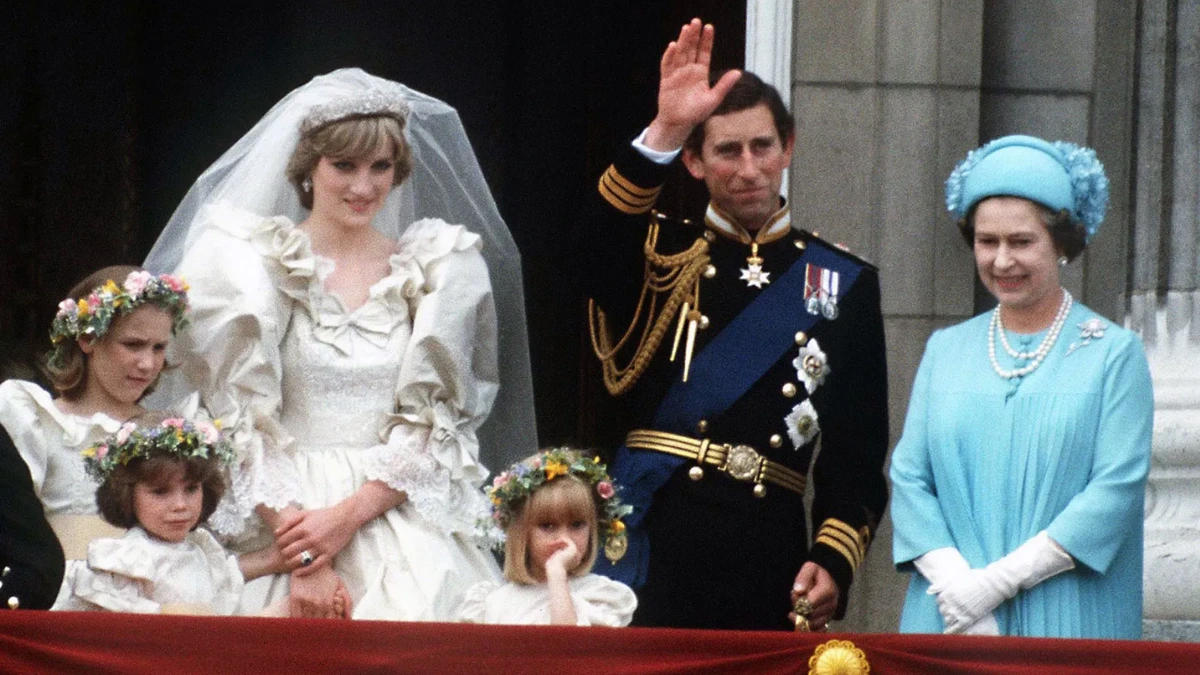
Nearly 30 years after Princess Diana died in a Paris car crash, the emotional impact of her death remains difficult to capture in words.
In a recent personal reflection, writer Charlotte Clymer looked back on the night of August 30, 1997, recalling how news organizations began reporting that Diana might have died following a serious crash. Confirmation of her death came shortly before midnight on the U.S. East Coast.
Clymer, who was 10 years old at the time, said she was asleep when the initial reports emerged. The following morning, a neighborhood boy who was staying with her family delivered the news to her in a way that she would remember for decades.
The memory, however, quickly became part of something much larger: a global moment of disbelief and mourning.
A Woman Known Around the World
Clymer argues that understanding the reaction to Diana’s death requires understanding how prominent she had become during the years before 1997.
Diana was not simply a member of the British royal family. She had become a constant presence in newspapers, magazines, television coverage and everyday conversations. Her public image extended far beyond royal events, particularly through her humanitarian work.
She was widely recognized for visiting people affected by HIV and AIDS and for raising awareness of the dangers posed by landmines. Her public appearances frequently placed her alongside people who were often marginalized or overlooked.
That combination of global fame and humanitarian visibility helped make Diana an unusually recognizable figure.
By 1997, Clymer writes, only a relatively small number of people could claim comparable worldwide recognition. She points to figures including U.S. President Bill Clinton, Pope John Paul II, Michael Jackson, Nelson Mandela, Muhammad Ali and Queen Elizabeth II, while also noting other globally famous athletes and entertainers.
The Shock of August 1997
Diana’s death was particularly shocking because it seemed so sudden.
She had been photographed and discussed constantly, making her feel like a permanent part of popular culture. Then, almost overnight, she was gone.
Clymer recalls that the initial reaction went beyond ordinary shock. There was disbelief, followed by an enormous wave of public grief.
For people who were alive and old enough to remember the event, the days following Diana’s death became a defining cultural moment. Television networks devoted extensive coverage to the tragedy, while crowds gathered around the world to mourn.
Clymer notes that documentaries and films about Diana’s final days can provide historical context, but she believes they cannot completely recreate what it felt like to experience the news in real time.
Why Diana’s Legacy Endures
Diana’s legacy has continued to attract attention nearly three decades later, in part because her public life combined celebrity, royalty and humanitarian activism in a way that was unusual for the era.
Her relationship with the British royal family, her marriage to then-Prince Charles, their separation and eventual divorce had already made her one of the most closely watched people in the world.
Her death transformed that fascination into lasting historical memory.
For Clymer, the anniversary is also deeply personal. Her recollection begins with an ordinary childhood morning and an awkward announcement from another 10-year-old, but it ultimately becomes a reflection on how a single event could affect millions of people simultaneously.
A Memory That Has Not Faded
Almost 30 years later, the details of Diana’s death remain familiar to many who witnessed the news unfold.
For a generation that remembers August 1997, Diana’s death was more than a headline. It was a moment when an extraordinarily familiar public figure suddenly disappeared from everyday life.
Clymer’s reflection captures that sense of disbelief and the difficulty of explaining it to people who were too young—or not yet born—to remember.
Nearly three decades later, the world has changed dramatically. Yet for those who remember where they were when they first heard the news, the moment can still feel surprisingly close.
Sometimes, history does not feel distant at all. It feels like yesterday.
Source: charlotteclymer.substack