
Senate Blocks Data Center Bill: The U.S. Senate has blocked an effort to advance legislation addressing the rising electricity demands of large data centers, adding another chapter to the growing debate over how the rapid expansion of artificial intelligence infrastructure should be managed.
The Senate action followed the House of Representatives’ overwhelming approval of the Ratepayer Protection Act, which passed by a 417-3 vote. The bill focuses on concerns that electricity customers could face higher costs as utilities invest in infrastructure to serve large new power users, including data centers.
Why the Senate Blocks Data Center Bill Matters
Data centers have become a critical part of the technology industry. They provide the computing capacity required for cloud services, artificial intelligence applications, online platforms and other digital services.
However, large facilities can consume substantial amounts of electricity. New projects may require utilities to expand generation capacity, transmission networks, substations and other infrastructure.
That has raised a key policy question: Who should pay for the additional infrastructure required by large data center projects?
Supporters of the House legislation argue that large electricity users should be responsible for costs directly associated with serving their demand rather than shifting those expenses onto other utility customers.
Senate Debate Over the Legislation
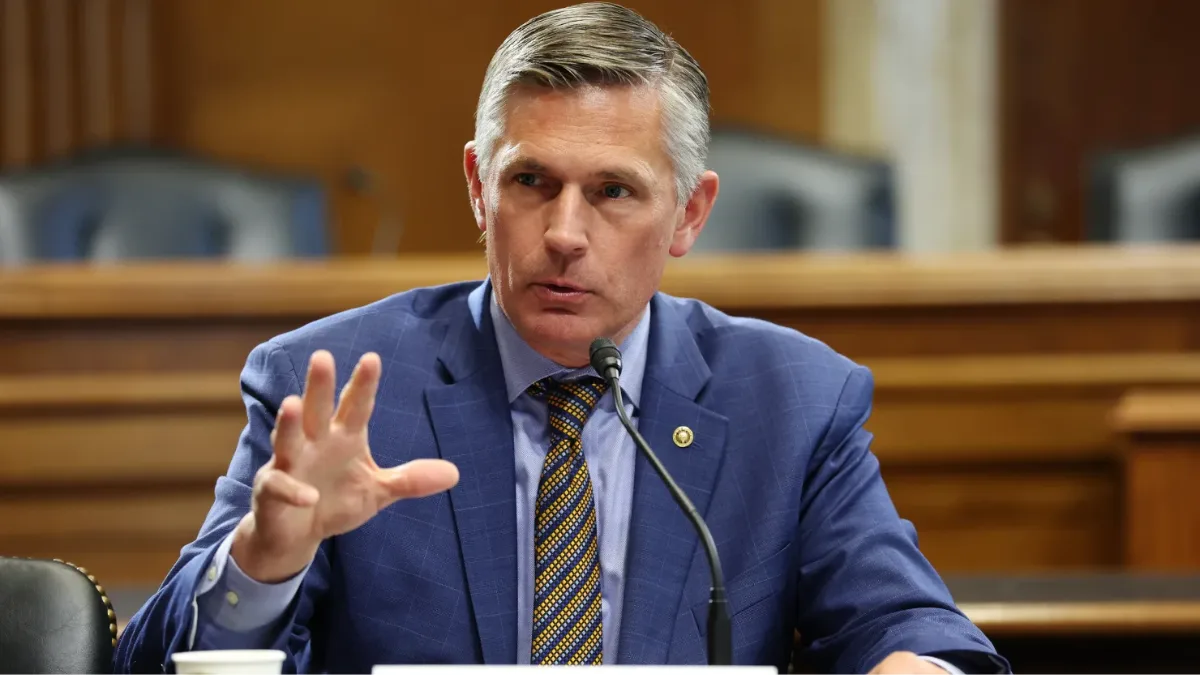
Sen. Jon Husted, Republican of Ohio, attempted to move the House-backed legislation through the Senate using unanimous consent. Sen. Martin Heinrich, Democrat of New Mexico, objected to the request.
Heinrich has argued that the House measure does not establish sufficiently strong requirements for large data center operators. He instead promoted the GRID Savings Act, which would take a more direct approach to requiring large electricity users to pay for infrastructure associated with their grid connections.
The competing proposals illustrate a broader disagreement over the appropriate role of federal policy in regulating rapidly expanding electricity demand.
AI Expansion Adds to Energy Concerns
The data center debate has intensified alongside the rapid growth of artificial intelligence.
AI companies require large amounts of computing power, encouraging technology companies and infrastructure developers to build or expand data centers. As these facilities become larger, utilities are facing questions about how quickly they can provide the necessary electricity and how the resulting infrastructure should be financed.
The issue extends beyond electricity bills. Communities have also raised concerns about land use, water consumption, noise and environmental impacts associated with large-scale data center construction.
What Happens Next for Senate Blocks Data Center Bill
The Senate’s action leaves the House-passed Ratepayer Protection Act stalled for now. Further negotiations could determine whether lawmakers eventually agree on a compromise or pursue separate proposals.
The disagreement also highlights the complexity of America’s data center expansion. Policymakers must consider several competing issues, including technological development, grid reliability, consumer electricity costs and infrastructure investment.
As artificial intelligence and cloud computing continue to expand, the question of how large electricity users should contribute to the cost of new infrastructure is likely to remain an important issue in Washington and state capitals.
For consumers, utilities and technology companies, the eventual outcome could influence how future data center projects are connected to the grid and how their infrastructure costs are allocated.
Learn more: Business