
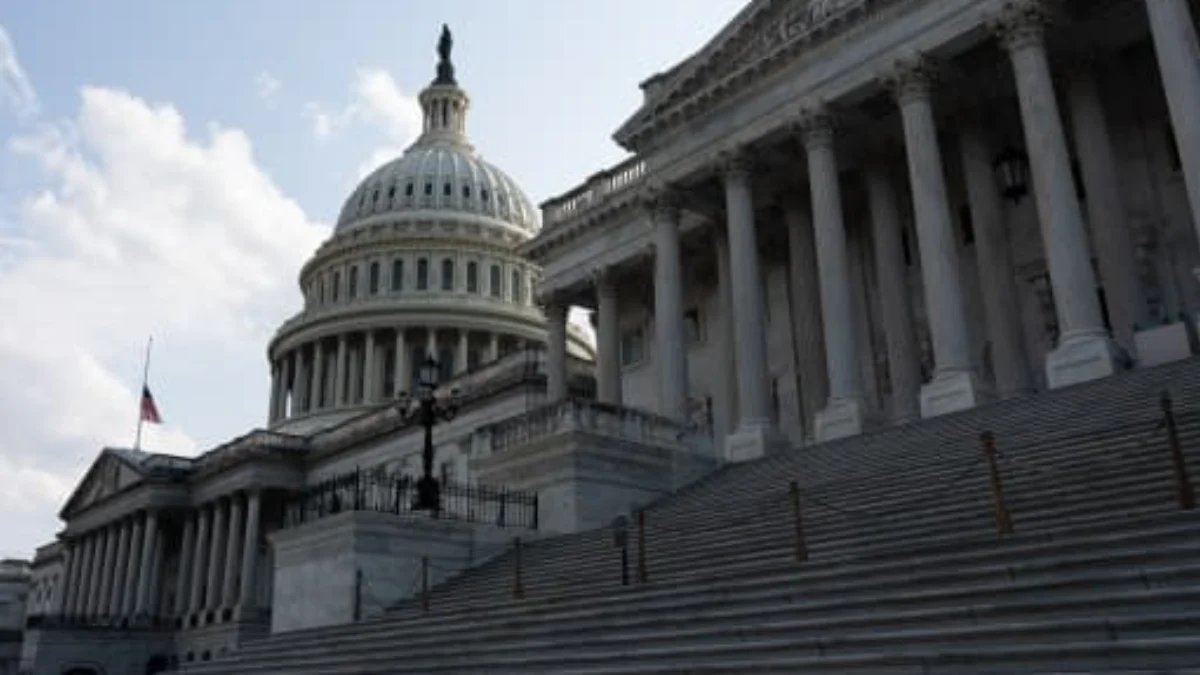
A political battle is unfolding in Washington as Congress debates whether President Donald Trump should have the authority to continue military operations against Iran without additional approval from lawmakers. The dispute has exposed a sharp divide between members of Congress over the limits of presidential war powers and the role of lawmakers in decisions involving military action.
The fight comes after lawmakers introduced war powers resolutions aimed at restricting the administration’s ability to maintain U.S. involvement in the Iran conflict. Supporters of the measures argue that Congress must have a stronger role in authorizing military actions, while opponents say the president needs the flexibility to respond quickly to national security threats.
House Pushes to Rein In Presidential War Powers
Members of the House advanced a resolution calling on the Trump administration to end unauthorized military involvement in the Iran conflict. Supporters said the move was intended to reinforce Congress’ constitutional authority over decisions related to war.
Several lawmakers argued that prolonged military operations should not continue without a formal authorization from Congress. They warned that expanding conflicts without legislative approval could create greater risks for U.S. troops and increase instability in the region.
The measure received support from lawmakers who believe Congress must play a central role in decisions that could lead to a larger military engagement.
Senate Faces Internal Divide Over Iran Resolution
The debate continued in the Senate, where lawmakers considered a separate effort to limit Trump’s authority over military actions against Iran. The measure failed to gain enough support to advance, reflecting a wider disagreement between Democrats and Republicans.
Republican lawmakers largely defended the president’s ability to direct military operations, arguing that national security decisions often require quick action and strategic flexibility. They said restricting presidential authority could make it harder for the United States to respond to threats.
Democrats Raise Concerns Over Escalating Conflict
Democratic lawmakers have criticized the administration’s Iran policy and called for greater transparency about U.S. military objectives. They have argued that Congress should not be sidelined when American forces are involved in overseas conflicts.
Supporters of the war powers resolutions said their goal is not to weaken national security but to ensure that military decisions follow constitutional procedures.
Republicans Defend Trump’s Military Strategy
Republican leaders have pushed back against efforts to limit Trump’s authority, saying the administration must have the ability to protect U.S. interests and respond to Iran-related threats.
They argue that decisions involving military operations require flexibility and that public debates over strategy could affect America’s ability to act effectively.
Iran Conflict Becomes Major Political Issue
The disagreement over war powers has become one of the most significant foreign policy debates in Congress. Lawmakers from both parties continue to debate how much authority a president should have during an international crisis.
While the resolutions highlight growing concerns over the Iran conflict, they do not automatically end U.S. military operations. Instead, they serve as a statement of congressional opposition and a challenge to the administration’s approach.
Battle Over War Powers Expected to Continue
The dispute between Congress and the White House is likely to continue as lawmakers examine the future of U.S. involvement in Iran. The debate has renewed long-standing questions about the balance of power between the presidency and Congress during times of war.
As tensions remain high, both parties are expected to keep pushing their opposing views on military authority, national security, and America’s role in international conflicts.
To know more Politics news