
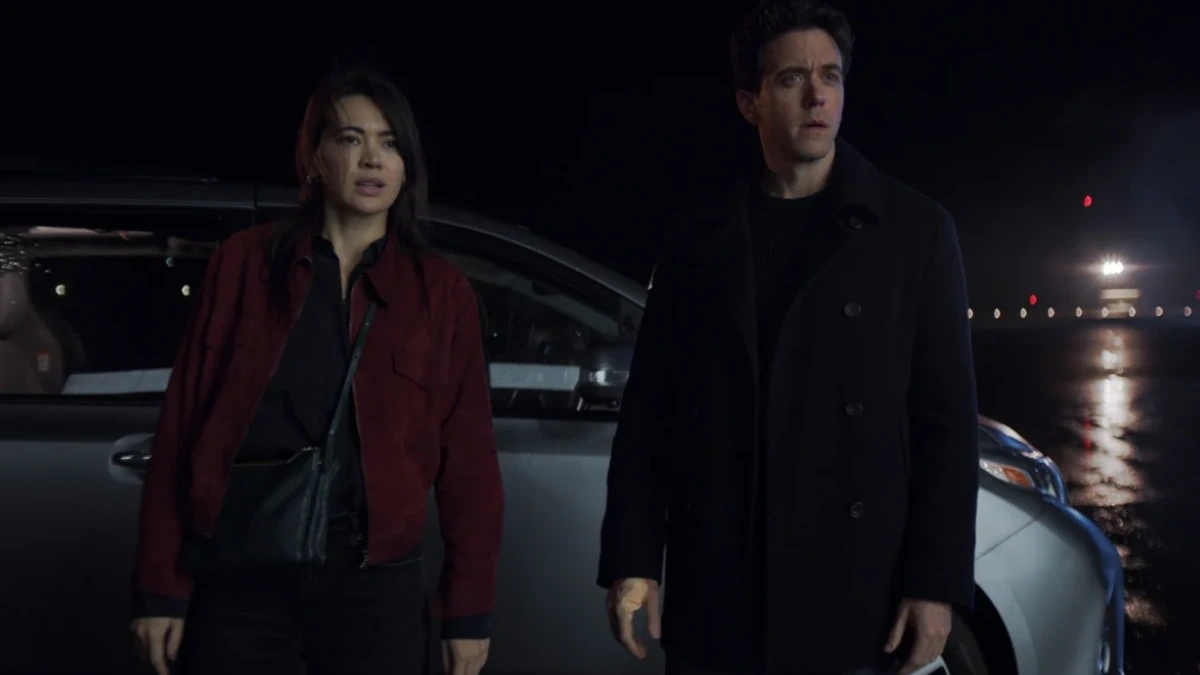
The mystery at the heart of Apple TV+’s Silo takes a major turn in Season 3, Episode 7. After spending much of the series wondering why the underground communities exist and who created them, viewers finally get a clearer look at the machinery behind the 51-silo system.
Rather than presenting the silos as simple shelters built after the end of civilization, the episode points toward a carefully designed project that existed before the catastrophe. The flashback storyline introduces important figures connected to that project and begins connecting their decisions to the authoritarian world Juliette Nichols is fighting in the present.
A Blueprint for Survival
One of the episode’s biggest revelations involves Per Stensen, who emerges as a key figure in the development of the silo network.
The episode suggests that the enormous underground structures were based on earlier bunker designs and were conceived as part of a much broader continuity plan. The goal was to preserve humanity in the event of a civilization-ending disaster.
But the scale of the project raises an unsettling question: why would humanity need 51 separate silos?
The answer appears to be isolation. Each community was designed to survive independently, while the larger system could prevent residents from learning too much about the outside world or about the existence of other silos.
That revelation makes the familiar rules of the series look very different.
The Silos Were Never Just Shelters
For generations, residents have been taught that the world outside is deadly and that leaving the silo means certain death.
Episode 7 adds another layer to that story by showing how much planning went into maintaining the system.
The silos were not simply places where survivors happened to live. They were engineered environments with strict controls, surveillance and mechanisms designed to keep their populations contained.
That means many of the strange traditions and restrictions that Juliette has spent years questioning may have been deliberate features of the original plan rather than accidental developments.
Juliette Faces an Impossible Choice
While the flashbacks explore the origins of the silo network, Juliette continues battling the forces trying to maintain control over Silo 18.
Her confrontation with Judicial reaches another dangerous point. She considers attacking the department but ultimately backs away after realizing that innocent people, including children, could be caught in the destruction.
Her decision is significant because it shows that Juliette’s rebellion is not simply about destroying the system. She wants to expose the truth without sacrificing the very people she is trying to save.
A Deadly Weapon Inside the Silo
The episode also reveals another disturbing development involving Vitamin D+, a biochemical agent that can be used to control the population.
As resistance grows, Camille prepares to use the substance against the rebellion. The development demonstrates just how far the authorities are willing to go to preserve order.
The threat is particularly chilling because the weapon does not require an open battle. Control can be imposed quietly, turning the silo’s own systems against its residents.
The Fate of Lukas and Patrick
The episode also answers questions surrounding the deaths of Lukas Kyle and Patrick Kennedy.
Their deaths are tied to an effort to silence dissent within the silo’s leadership, with Camille playing a role in carrying out the orders. The revelation adds another layer to the growing conflict between those attempting to preserve the established order and those trying to uncover the truth.
For Juliette, every new discovery makes the situation more dangerous.
The closer she gets to understanding the system, the more aggressively those protecting it appear willing to respond.
The Biggest Question Is Still Unanswered
Episode 7 provides important pieces of the puzzle, but it does not solve the entire mystery.
Viewers now have a much clearer understanding that the 51 silos were part of a deliberate global continuity project. Yet the precise motives behind the system’s most extreme safeguards remain one of the show’s biggest unanswered questions.
Why was isolation considered necessary? Who ultimately controlled the project? And why was a system designed to preserve humanity also equipped with mechanisms capable of destroying entire populations?
Those questions could become central as the season moves toward its conclusion.
A Darker Meaning Behind the Silo
The most unsettling revelation of “Radio” may be that the residents of the silos were never simply survivors.
They were placed inside a system designed by people who had already decided what humanity’s future should look like.
For Juliette, that distinction could change everything. If the silos were deliberately engineered rather than improvised after the catastrophe, then the rules governing life underground can be challenged — and potentially dismantled.
Season 3 is therefore turning Silo from a mystery about what happened to the world into a deeper question about who decided what humanity would become after it ended.
And as Juliette gets closer to that answer, the system appears increasingly desperate to stop her.
Source: mashable