
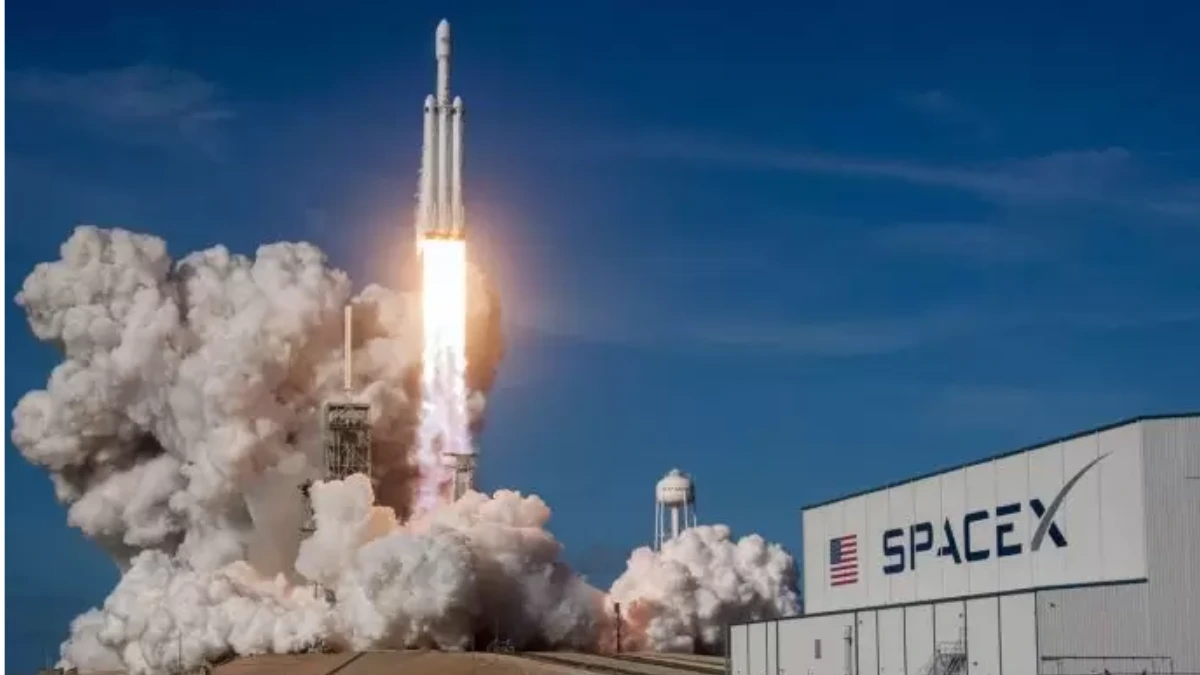
SpaceX is facing renewed questions about its massive valuation after its stock experienced a sharp pullback following a period of strong investor enthusiasm. The decline has sparked a broader debate among Wall Street analysts and investors over whether the company’s ambitious future plans justify its current market expectations.
The aerospace company has become one of the most closely watched businesses in the world, driven by its rocket technology, satellite internet network, and long-term vision for space exploration. However, the recent market reaction has highlighted the challenge of valuing a company whose biggest opportunities are tied to future growth.
Wall Street’s Bold Forecasts Create New Investor Debate
Before the stock decline, analysts issued highly optimistic projections for SpaceX’s future, pointing to its potential to become one of the world’s most valuable companies.
Supporters of the company’s outlook highlighted major growth opportunities, including the expansion of Starlink satellite services, commercial space missions, and future space-based technologies.
These forecasts helped fuel investor excitement, with many believing SpaceX could redefine the aerospace industry and create new markets beyond traditional technology companies.
However, the recent pullback has caused some investors to question whether those expectations were too aggressive and whether the company’s valuation had moved ahead of its current business performance.
Stock Decline Raises Questions About SpaceX’s True Value
The recent drop in SpaceX shares has created uncertainty among investors who had previously pushed the company’s valuation higher.
Market analysts say high-growth companies often experience volatility when expectations become extremely elevated. When investors price in years of future success, even small concerns can lead to major market reactions.
For SpaceX, the challenge is proving that its ambitious projects can translate into long-term revenue and profitability. While the company has achieved major technological milestones, investors are now focusing more closely on financial performance.
Supporters Point to SpaceX’s Long-Term Potential
Despite the recent decline, many investors remain confident in SpaceX’s future.
Supporters argue that traditional valuation methods may not fully capture the company’s potential because many of its biggest opportunities are still developing. They believe SpaceX’s leadership in reusable rocket technology and satellite communications gives it a significant advantage.
The growth of Starlink has been one of the company’s biggest success stories, expanding internet access globally and creating a major new business opportunity.
Investors who remain optimistic believe SpaceX’s current challenges are temporary and that the company’s long-term vision could eventually justify its high valuation.
Critics Warn Expectations May Be Too High
While SpaceX supporters remain confident, critics argue that investors must separate future possibilities from current financial realities.
They say a company with such a large valuation faces enormous pressure to deliver exceptional growth over many years. Any delays, increased costs, or weaker-than-expected results could create additional challenges.
Some analysts believe the market may have priced in too much future success before SpaceX fully proves its ability to generate sustained profits.
The debate reflects a wider challenge in investing: determining how much value should be placed on innovation and future potential compared with current earnings.
Elon Musk’s Vision Continues to Drive Investor Interest
Much of SpaceX’s appeal remains connected to Elon Musk’s ambitious plans for the future of space technology.
Under Musk’s leadership, SpaceX has transformed the aerospace industry by developing reusable rockets and reducing the cost of space launches. The company’s achievements have changed how investors view the possibilities of private space companies.
Supporters believe Musk’s track record of building disruptive businesses gives SpaceX an advantage that traditional valuation models may underestimate.
However, investors are now watching closely to see whether the company can continue turning its long-term vision into measurable financial results.
SpaceX Enters a New Phase of Market Scrutiny
The recent stock pullback marks an important moment for SpaceX as it moves from being viewed primarily as an innovative technology company to a business expected to deliver strong financial returns.
Future progress in areas such as satellite internet, rocket launches, and space services will likely play a major role in determining investor confidence.
The company’s ability to meet ambitious goals while managing costs and competition will shape how Wall Street views its long-term value.
The Future of SpaceX Remains a Major Market Story
SpaceX’s valuation debate reflects a larger conversation about the future of technology investing. Companies built around innovation often attract huge expectations, but markets eventually demand results.
While some investors see SpaceX as a company paving the way for the future of space exploration, others believe its valuation needs to be supported by stronger evidence of long-term financial success.
As SpaceX continues its mission to expand humanity’s reach beyond Earth, investors will be watching closely to determine whether the company’s future achievements can match the extraordinary expectations surrounding it.
To know more for Business & Finance news