
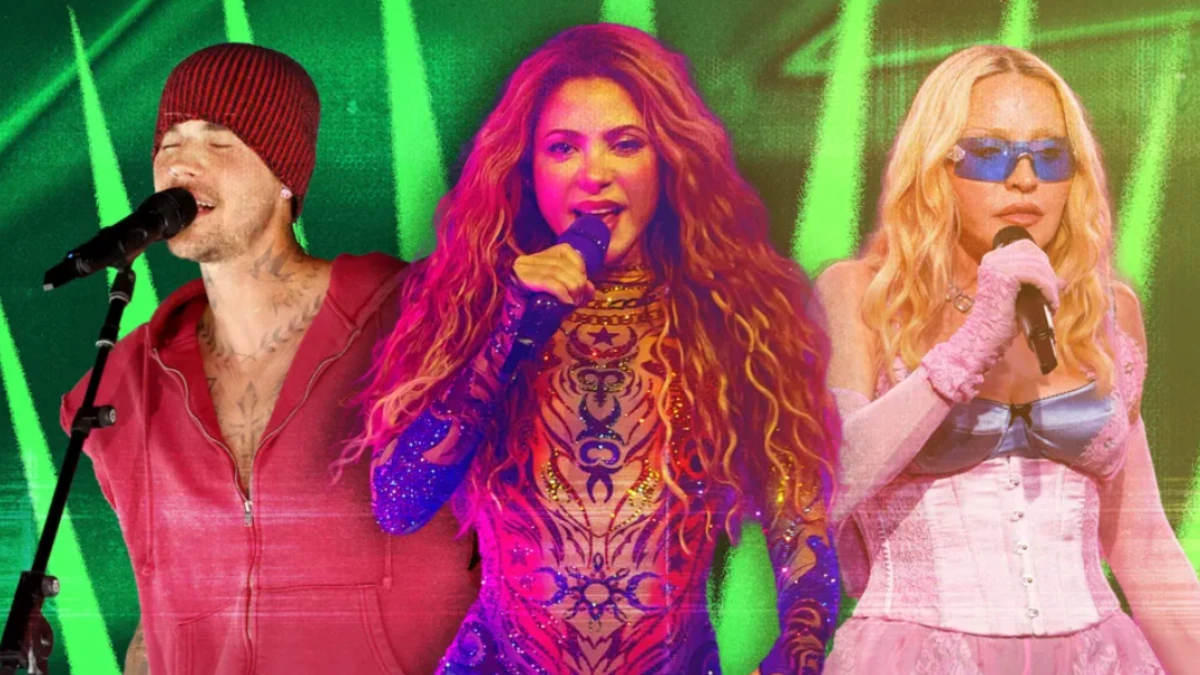
The FIFA World Cup has always been defined by unforgettable matches, legendary players, and historic moments. But the 2026 tournament could introduce a major change that transforms how fans experience football’s biggest event.
For the first time, the World Cup final is set to feature a major half-time entertainment show, bringing together football, music, and global culture on the sport’s biggest stage. The move represents a new direction for FIFA and could create a tradition that continues in future tournaments.
World Cup Final Takes Inspiration From Global Sports Events
The idea of a World Cup half-time show follows a model already popular in other major sporting events, especially the NFL’s Super Bowl, where the half-time performance has become a major attraction watched by millions around the world.
FIFA’s decision reflects the changing landscape of sports entertainment. Modern audiences increasingly expect major events to offer more than just competition, combining athletic performances with music, technology, and cultural experiences.
The World Cup final, already one of the most-watched events on the planet, could become an even bigger global celebration with this new addition.
Football and Music Unite on the Biggest Stage
The new half-time performance aims to bring together some of the world’s biggest entertainment figures while celebrating the international appeal of football.
Organizers believe the show will help connect with audiences beyond traditional football fans and create a shared global experience. By combining the excitement of the final with a major entertainment production, FIFA hopes to make the event more appealing to viewers of all ages.
The move also highlights how football has expanded beyond the pitch, becoming a powerful part of global culture.
Fans Debate the Future of World Cup Tradition
The announcement has received mixed reactions from football supporters around the world.
Many fans have welcomed the idea, saying a major entertainment show could make the World Cup final even more memorable. They believe the tournament should continue evolving to attract new generations of supporters.
However, some traditional football fans remain skeptical. They argue that the World Cup’s greatest appeal comes from the match itself and worry that large entertainment productions could distract from the importance of the final.
The debate reflects a larger conversation about how sports should balance tradition with modernization.
Extended Half-Time Break Raises Questions
A major half-time production also creates practical challenges, particularly regarding the length of the break between the two halves of the final.
Traditional football half-time periods are designed around player recovery, tactical discussions, and maintaining match rhythm. A larger performance may require additional preparation time, leading to questions about how it could affect players and the flow of the game.
Supporters of the idea believe organizers can manage the changes effectively, while critics continue to question whether entertainment should influence the structure of football’s biggest match.
A Sign of How Global Sports Are Changing
The introduction of a World Cup half-time show reflects a wider shift in the sports industry. Major competitions are increasingly becoming complete entertainment experiences, combining competition with concerts, digital technology, and fan engagement.
From opening ceremonies to interactive stadium experiences, sports organizations are searching for new ways to attract global audiences.
The World Cup, already considered the world’s biggest sporting event, appears ready to embrace this new approach.
Could the Half-Time Show Become a Permanent Tradition?
The success of the first World Cup final half-time show could determine whether it becomes a regular feature in future tournaments.
If fans respond positively, FIFA may continue developing the concept and make entertainment a permanent part of the World Cup final experience.
Just like iconic World Cup traditions such as the opening ceremony and trophy celebration, the half-time show could eventually become another symbol of the tournament.
World Cup Enters a New Chapter
The addition of a major half-time performance marks a significant moment in World Cup history. While some supporters remain uncertain, the move reflects football’s continued evolution in a changing entertainment landscape.
The 2026 World Cup final will not only decide a champion but could also introduce a new way for fans around the world to celebrate the game.
Whether it becomes a beloved tradition or simply a bold experiment, the World Cup half-time show represents a new chapter in the history of football’s greatest tournament.
To know more for Sports news