
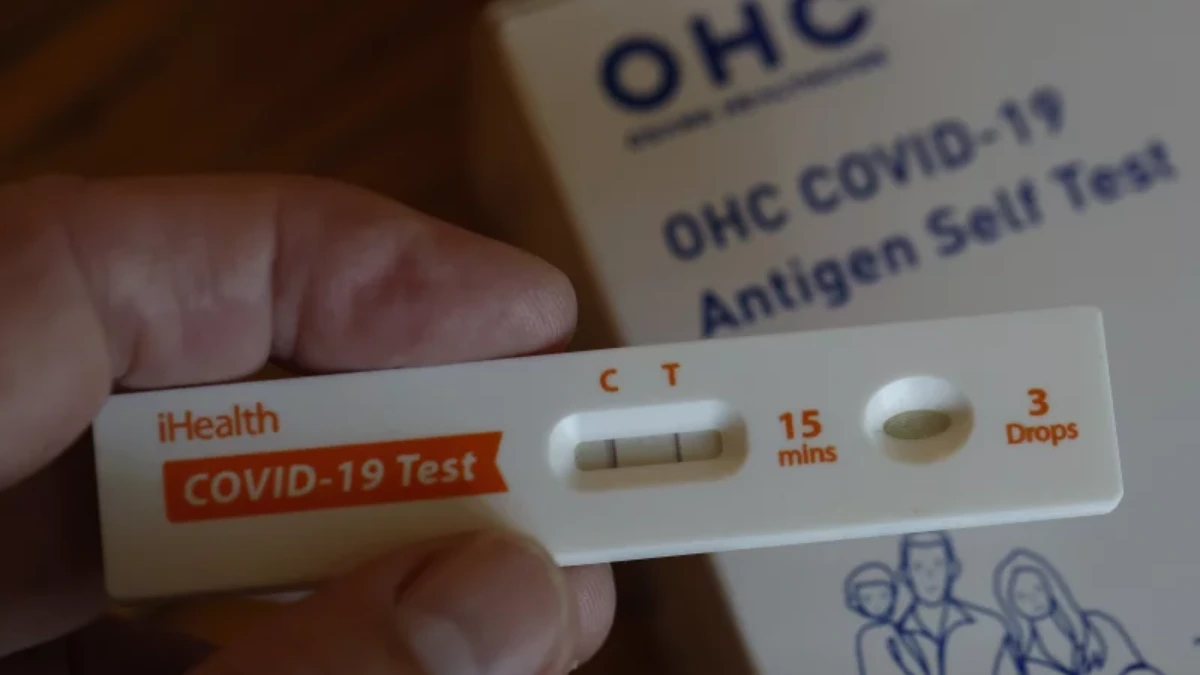
COVID-19 is showing renewed signs of activity across the United States this summer, with federal surveillance indicating that infections are increasing nationwide as Americans head deeper into August.
According to the latest estimates from the U.S. Centers for Disease Control and Prevention (CDC), COVID-19 infections were growing or likely growing in all 50 states as of August 12, with no states classified as having declining infections.
The increase is being closely watched by public-health experts as the country enters another period in which COVID-19 transmission can rise even outside the traditional fall and winter respiratory-virus season.
A Summer Rise in COVID-19
Unlike influenza and RSV, which tend to follow more pronounced seasonal patterns, COVID-19 has continued to circulate throughout the year. CDC surveillance specifically tracks summer COVID-19 activity because infections can rise during warmer months as well.
The agency’s current epidemic-trend estimates are based on emergency-department data and are designed to indicate whether infections are increasing or decreasing. The latest figures show a broad national increase in transmission.
However, the CDC cautions that epidemic trends indicate the direction of infections rather than the overall burden of disease. Other indicators, including emergency-department visits, wastewater surveillance and hospitalization data, are needed to understand how severe the current wave is.
Wastewater Offers Another Warning Signal
Wastewater monitoring has become an important tool for tracking COVID-19 because it can detect the virus circulating in communities even when people do not seek medical care or receive a diagnostic test.
The CDC’s national wastewater program, updated August 14, says sewage monitoring can provide an early indication of changes in community-level viral activity. Because people can shed the virus without obvious symptoms, wastewater data can capture infections that traditional healthcare-based surveillance may miss.
The CDC classifies wastewater viral activity into categories ranging from very low to very high. The data are updated weekly as additional reports become available.
Why Summer Surges Still Matter
The latest increase comes years after the initial COVID-19 pandemic, when large waves of infections overwhelmed hospitals and disrupted daily life. Today, widespread immunity from vaccination and previous infections, along with improved treatments and surveillance, has changed the public-health landscape.
Nevertheless, COVID-19 remains capable of causing serious illness, particularly among older adults and people with underlying vulnerabilities.
A rise in infections does not automatically mean a return to the conditions seen during the earliest years of the pandemic. Instead, health officials are watching whether increases in transmission translate into higher numbers of emergency visits, hospitalizations and deaths.
The CDC maintains separate surveillance systems for these outcomes, allowing officials to compare infection trends with indicators of severe disease.
Vaccination Remains Part of the Strategy
The summer increase is also renewing attention on COVID-19 vaccination and the timing of updated vaccines.
As the virus continues to evolve, vaccination recommendations and vaccine formulations can change to better match circulating strains and protect against severe disease. The CDC’s respiratory-virus data hub includes vaccination trends alongside information on infections and severe outcomes.
For people at higher risk of complications, staying current with recommended vaccinations and discussing individual protection with a healthcare professional can be particularly important.
What Comes Next?
The current summer increase will be closely monitored over the coming weeks. Infection trends can change quickly, and surveillance data are periodically revised as new information becomes available.
For now, the most notable feature of the 2026 summer wave is its geographic breadth: CDC estimates as of August 12 indicate that infections were growing or likely growing in every state.
That does not mean every community is experiencing the same level of transmission, nor does it signal a return to the emergency conditions of the pandemic’s early years. But it does demonstrate that COVID-19 remains an active respiratory virus capable of producing substantial waves well beyond the traditional winter season.
As summer draws toward its close, health officials will be watching wastewater measurements, emergency-department visits and other surveillance indicators for signs of whether the current rise continues, peaks or begins to ease.
Source: npr