
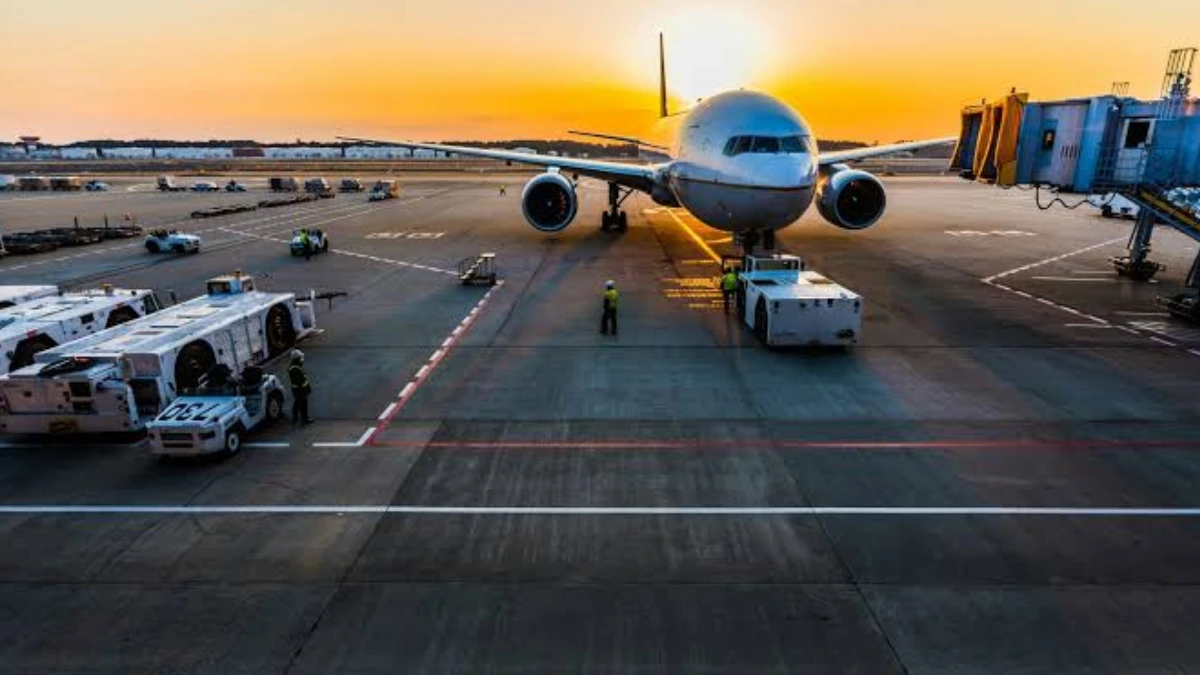
Airlines are gradually restoring flights across parts of the Middle East after the conflict involving Iran disrupted air travel, forcing carriers to cancel services, reroute aircraft and leave thousands of passengers facing uncertainty.
The disruption followed U.S. and Israeli strikes on Iran, which prompted widespread concerns over aviation safety and led airlines to suspend or reduce operations across several regional routes. Carriers have since been assessing airspace conditions and gradually bringing services back where they consider operations safe.
Several major airlines have begun restoring parts of their schedules, although the recovery remains uneven. Some carriers continue to suspend flights to certain destinations, reflecting continued security concerns and uncertainty surrounding the conflict.
The crisis has affected airlines well beyond the Middle East. Routes connecting Europe and Asia have been particularly vulnerable because many carriers normally depend on major Gulf hubs, including Dubai and Doha. European airlines have benefited from some travelers and cargo being redirected through alternative hubs, but the longer routes have also increased operating costs.
For Gulf airlines, restoring normal operations has been more complicated. The continuing conflict and disruption around the Strait of Hormuz have created additional risks for regional transportation and fuel supplies. The strategic waterway remains critical to global energy markets, and recent military activity has pushed oil prices above $100 a barrel.
The aviation industry is also facing additional pressure from higher fuel costs. Airlines have had to balance the need to restore important routes with the expense and security risks associated with operating in a volatile region.
Iran’s aviation sector faces separate challenges. On September 8, the United States announced a new round of sanctions targeting Iran’s aviation industry, including airlines, cargo providers and companies accused of supporting Iran’s aircraft procurement and aviation operations. The measures are expected to further complicate international aviation links involving Iran.
Despite the difficulties, the gradual return of flights offers some relief to passengers and businesses that depend on Middle East air connections. Airlines are expected to continue adjusting schedules as security assessments change and governments provide updated guidance.
However, the recovery is unlikely to happen all at once. Some routes may return quickly, while others could remain suspended for weeks or longer depending on developments in the conflict and the safety of regional airspace.
The situation also highlights the importance of the Middle East to global aviation. Major hubs in the Gulf connect Europe, Asia, Africa and North America, meaning prolonged disruption can affect passenger travel, cargo transportation and airline finances far beyond the region.
For travelers, airlines are advising passengers to check flight status directly with their carriers before heading to airports, as schedules can change with little notice. The gradual restoration of services suggests that parts of the regional aviation network are returning, but the broader security situation remains a key factor in determining how quickly normal operations can resume.
Source: reuters

The 2DayBulletins Editorial Team publishes accurate, timely, and well-researched news and articles across Trending Topics , Business and Finance , Politics, Entertainment, Sports, Technology, Health, with a focus on delivering reliable information to readers.