
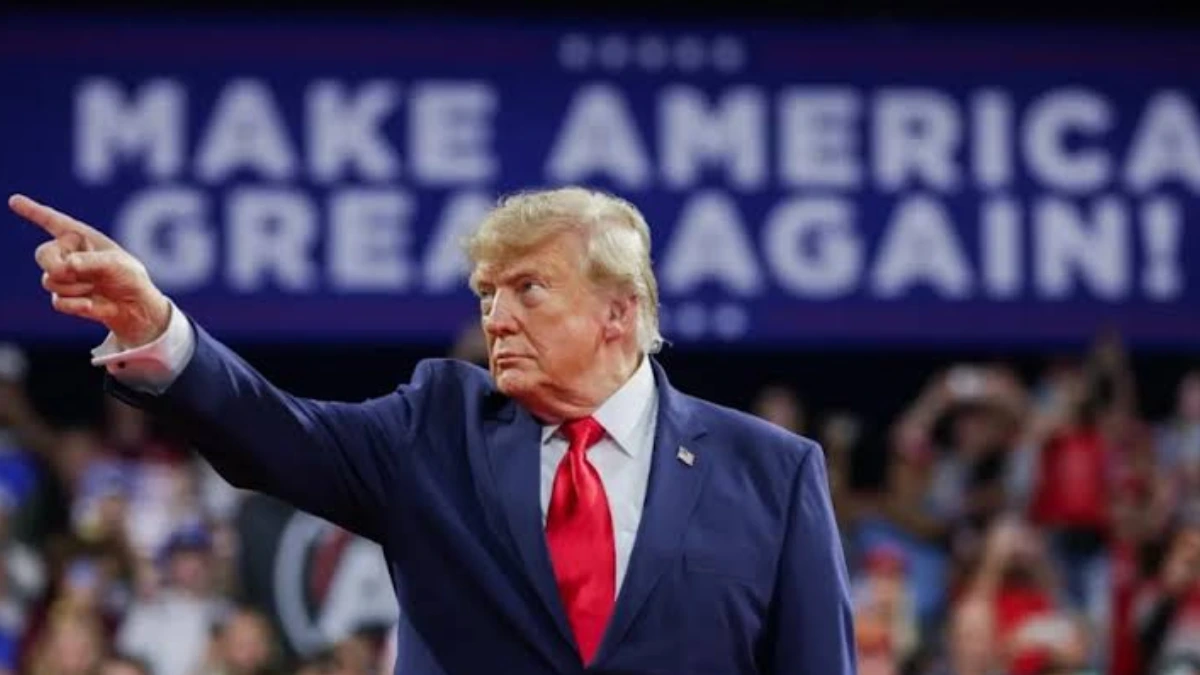
22nd amendment A judicial confirmation hearing has drawn attention to the constitutional limits on presidential terms after President Donald Trump’s nominee for a federal judgeship declined to say whether Trump could legally seek a third term in office. The exchange between Texas Supreme Court Justice James P. Sullivan and Democratic Senator Chris Coons raised questions about judicial independence, constitutional interpretation, and the responsibilities of federal judicial nominees.
The controversy centers on the 22nd Amendment to the U.S. Constitution, which generally prohibits anyone from being elected president more than twice. Sullivan appeared before the Senate Judiciary Committee on November 18, 2026, as part of his nomination process for a federal district court position in Texas. According to reports, he initially struggled to recall the amendment’s specific language before responding to questions about its application to Trump.
Senate Hearing Puts Sullivan Under Pressure 22nd amendment
During the hearing, Senator Chris Coons asked Sullivan to explain the meaning of the 22nd Amendment. After Sullivan appeared uncertain, Coons offered the opening words of the amendment to help him recall its provisions.
Once the constitutional restriction was established, Coons asked whether Trump could run for president for a third time. The question referenced Trump’s previous public comments suggesting that he might explore another presidential campaign.
Sullivan declined to provide a direct answer. He explained that commenting on the issue could potentially violate Canon 5 of judicial ethics standards, which addresses political activity and statements by judicial candidates. He also described the question as part of an ongoing political debate.
Coons expressed disappointment with the response, arguing that the constitutional language was straightforward and should not be treated as an unresolved political controversy.
What the 22nd Amendment Says About Presidential Terms 22nd amendment
The 22nd Amendment was ratified in 1951 following Franklin D. Roosevelt’s unprecedented election to four presidential terms. It established a constitutional limit preventing an individual from being elected president more than twice.
The amendment states that no person shall be elected to the office of president more than twice. Its purpose was to establish a formal restriction on presidential terms and prevent another extended presidency.
Trump has repeatedly generated discussion about the possibility of seeking another term. During a previous interview with NBC’s Kristen Welker, he said he was not joking about the idea and suggested that there could be methods to pursue it.
However, constitutional experts have generally maintained that the amendment clearly prevents someone who has already been elected president twice from winning another presidential election. Some legal discussions have focused on the precise wording of the amendment and hypothetical alternative scenarios, but those interpretations would face substantial constitutional and legal challenges.
Judicial Ethics Become Part of the Controversy
Sullivan’s explanation brought attention to Canon 5 of the American Bar Association’s Model Code of Judicial Conduct. The provision restricts certain political statements by judicial candidates, particularly comments that could suggest how they might rule on future cases.
However, the same ethical guidance emphasizes that judicial candidates have a responsibility to uphold the law regardless of their personal opinions.
Coons argued that acknowledging the constitutional language would not necessarily require Sullivan to express a personal political position. Instead, it would demonstrate an understanding of an established constitutional provision.
The exchange has renewed discussions about how judicial nominees should respond to questions involving constitutional principles, especially when those questions concern the president responsible for their nomination.
January 6 Questions Add to the Hearing’s Scrutiny
The hearing also included questions about the January 6, 2021, attack on the U.S. Capitol. Senator Richard Blumenthal asked judicial nominees whether they were willing to acknowledge that the Capitol had been attacked by a mob of Trump supporters attempting to disrupt the congressional proceedings following the 2020 presidential election.
According to the report, Sullivan and other nominees did not directly respond to the question. Blumenthal expressed frustration with their silence.
The exchange added another layer of scrutiny to the confirmation hearing, raising concerns about how nominees address politically sensitive historical events and constitutional responsibilities.
What Happens Next?
Sullivan’s responses have placed additional attention on his nomination and the expectations surrounding federal judicial appointments. His confirmation process highlights the challenges nominees face when answering questions about constitutional law, political neutrality, and judicial ethics.
Although the hearing focused on Sullivan’s qualifications and approach to judicial conduct, the discussion also revived a broader debate about presidential term limits and Trump’s repeated comments about potentially seeking another term.
For now, the 22nd Amendment remains a central constitutional restriction on presidential elections. Sullivan’s decision not to offer a direct answer has left lawmakers and political observers debating whether judicial nominees should be more willing to clarify established constitutional principles during confirmation hearings.