
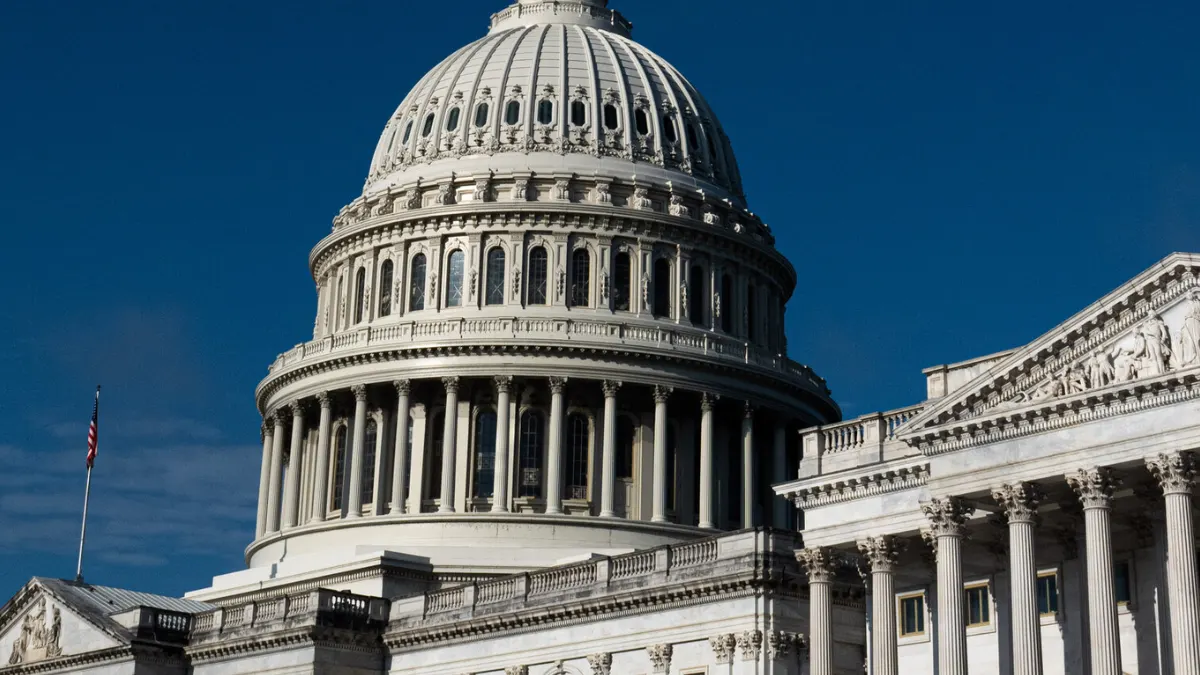
The crypto bill faced a major setback in the U.S. Senate on September 15, raising fresh attention around the bitcoin price and the broader digital asset market. Lawmakers failed to advance the Digital Asset Market Clarity Act after the procedural vote ended 50-49, falling short of the 60 votes required to move the legislation forward.
Clarity Act Fails to Advance
The Clarity Act was designed to establish a broad federal regulatory framework for digital assets. Among other provisions, it would clarify the roles of the Securities and Exchange Commission and the Commodity Futures Trading Commission in overseeing different parts of the cryptocurrency market.
The bill had received strong support from much of the cryptocurrency industry, which has pushed Congress for clearer rules governing digital assets. Its failure to advance represents a significant setback for those efforts.
The Senate vote was procedural rather than a final vote on the legislation. Senator Thom Tillis initially voted to advance the measure but later changed his vote, allowing him to seek reconsideration under Senate procedures. This leaves open a potential path for lawmakers to continue negotiations.
Ethics Dispute Adds to the Debate
A major disagreement centered on ethics provisions involving federal officials and cryptocurrency holdings. Democratic senators argued that the bill did not go far enough in addressing potential conflicts involving President Donald Trump’s cryptocurrency interests.
Republican supporters said the legislation included significant ethics restrictions and would provide greater regulatory certainty for businesses and consumers. The revised version also included a role for state attorneys general in enforcing certain ethics provisions.
The disagreement prevented lawmakers from reaching the bipartisan agreement needed to clear the procedural hurdle.
What Happens Next?
The Senate’s failure to advance the measure leaves the cryptocurrency industry operating without the comprehensive federal market structure framework sought by lawmakers and industry groups.
Existing regulators, including the SEC and CFTC, will continue to play important roles in overseeing digital assets while Congress considers whether additional legislation can move forward. Industry representatives have urged lawmakers to continue negotiations, while some lawmakers have indicated that the legislation could potentially return for another vote.
For now, the Senate vote leaves the future of major U.S. cryptocurrency regulation uncertain as lawmakers approach the 2026 midterm elections.
Source : nytimes.com