
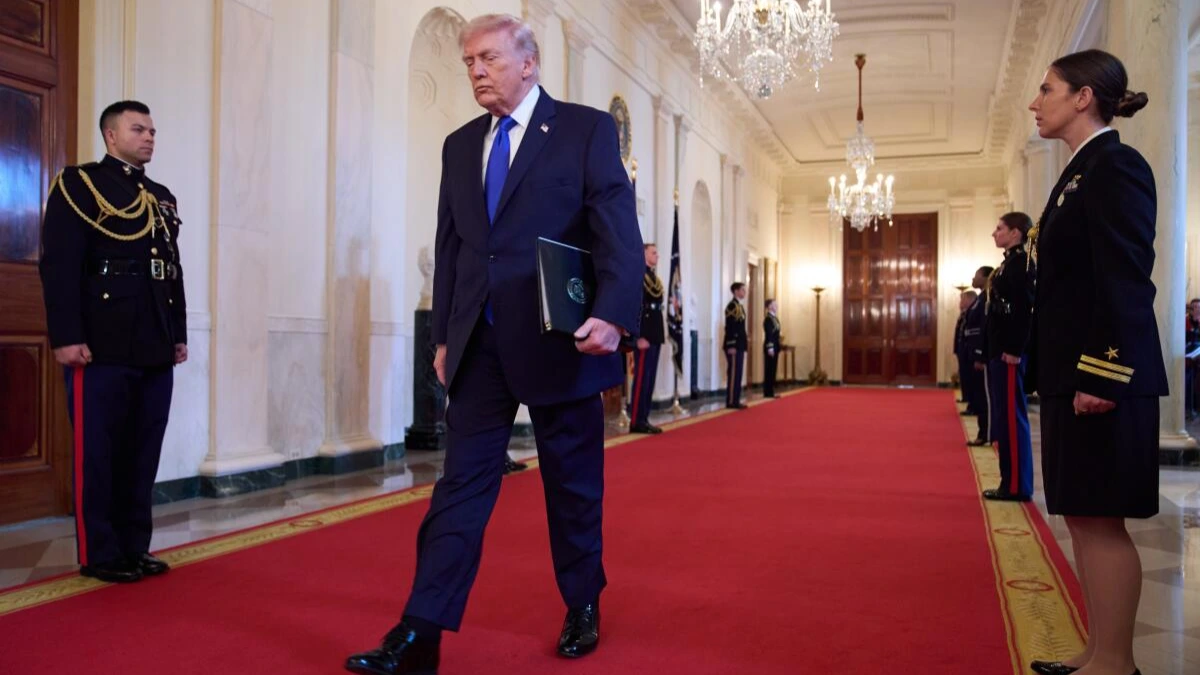
A growing wave of departures from President Donald Trump’s White House is raising questions about the stability of his administration as it approaches a politically consequential stretch of his second term.
Several senior aides have recently announced plans to leave, creating fresh speculation in Washington about whether the departures are routine personnel changes or signs of deeper turbulence inside the administration.
Among the most prominent exits is White House press secretary Karoline Leavitt, who is expected to leave her position at the end of August. Trump has said Leavitt is departing to spend more time with her family and has indicated that she will remain an influential outside adviser.
Other departures have added to the sense of movement within Trump’s inner circle. Emily Underwood, a senior aide and deputy to White House Deputy Chief of Staff Stephen Miller, is also leaving the administration for a position in the private sector.
The changes come at a particularly sensitive moment for Trump. The administration is facing the approaching 2026 midterm elections, continuing foreign-policy challenges and the possibility of a more confrontational relationship with Congress if Democrats make major gains in November.
A White House in Transition
Staff turnover is not unusual in presidential administrations, particularly as a second term progresses. But the timing and number of departures can provide clues about the political environment surrounding a president.
Recent exits have involved officials with important roles in communications, national security and legislative affairs. James Braid, a senior White House congressional liaison, has also departed, adding to the list of experienced officials leaving the administration.
The departures do not necessarily indicate an imminent crisis. Some officials have cited personal reasons or career opportunities, while others are moving into roles outside government. Leavitt, for example, has publicly framed her departure around her family and is expected to remain politically aligned with Trump.
Nevertheless, the cumulative effect has fueled speculation about what lies ahead for the White House.
Midterms Loom Over the Administration
The 2026 midterm elections are an important backdrop to the personnel changes. A potential change in congressional control could bring investigations, subpoenas and intensified political pressure on the administration.
That possibility makes experienced White House personnel particularly valuable. Departures of senior officials can create openings for new advisers while also forcing the administration to adjust its political and communications strategy.
Trump has remained publicly supportive of departing allies, portraying several moves as personal or professional decisions rather than evidence of internal instability.
What the Departures Mean
For now, there is no clear evidence that the staff departures represent a coordinated attempt to distance themselves from Trump or an impending collapse of his White House operation.
Instead, the departures appear to reflect a mixture of personal decisions, career moves and broader turnover within an administration approaching a major electoral test.
Still, the timing is attracting attention. As Trump moves toward the midterm elections, the White House will need to maintain political discipline while managing foreign-policy challenges and an increasingly contentious domestic environment.
The question facing Washington is therefore not simply who is leaving, but who replaces them and whether the next generation of Trump aides can maintain the administration’s momentum through what could be one of the most challenging periods of his second term.
Source: politico