
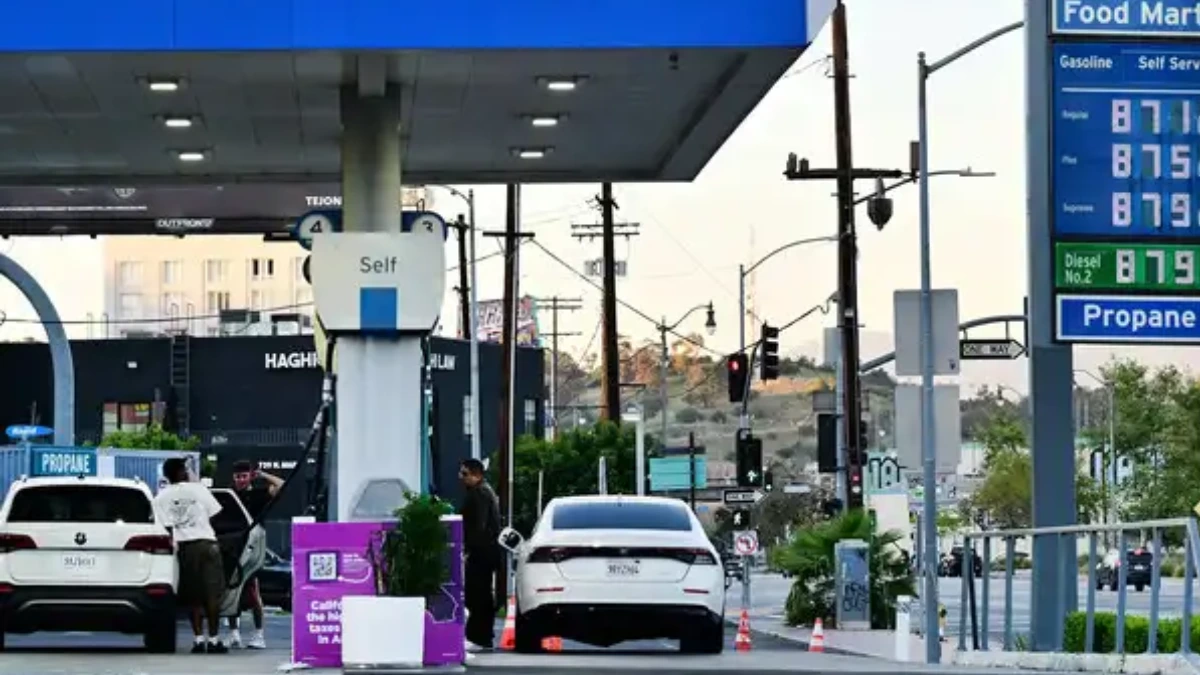
Gas: American drivers are facing another round of higher fuel costs as gasoline and diesel prices continue to climb amid growing pressure on global oil markets.
The increase is adding to expenses for commuters, truck drivers, businesses and households at a time when energy prices remain closely tied to geopolitical developments overseas.
According to data cited by CBS News, the national average price for regular gasoline reached roughly $4.44 per gallon on September 17, while the average price for diesel climbed to around $6.40 per gallon. The figures highlight the renewed pressure facing consumers at fuel stations across the country.
Gasoline Prices Continue Their Upward Move
Fuel prices have risen considerably from levels seen earlier in the year. CBS News reported that the national gasoline average had increased by nearly 50% compared with the period before the Iran conflict began in February.
GasBuddy petroleum analyst Patrick De Haan said motorists may have to deal with elevated prices for an extended period. He also projected that the national gasoline average could reach approximately $4.50 per gallon.
The effect varies considerably by region. Drivers in states with higher fuel costs are already paying substantially more than the national average, while disruptions at individual refineries can create additional regional price increases.
Diesel Prices Add to Transportation Costs
The rise in diesel prices is particularly important because diesel fuel is essential to large sections of the U.S. economy.
Trucks, agricultural equipment, construction machinery and other commercial vehicles rely heavily on diesel. Higher fuel costs can therefore increase the expense of transporting goods across the country.
Those additional transportation expenses can eventually affect businesses and consumers. Companies that spend more to move products may face difficult decisions about absorbing the costs or passing some of them along through higher prices.
CBS News also reported that higher diesel prices could affect households that depend on heating oil, particularly in parts of the Northeast.
Global Conflicts Continue to Affect Oil Markets
International events remain a major factor behind the latest energy-market volatility.
The Russia-Ukraine war, tensions involving Iran and disruptions connected to conflict in the Red Sea region have all contributed to concerns about global oil supplies and transportation routes.
Brent crude, an important international oil benchmark, was trading around $103 per barrel on September 17, according to CBS News.
The Strait of Hormuz is another key concern for energy markets. The strategically important waterway handles a significant amount of global energy shipments, meaning disruptions in the region can quickly affect international oil prices.
Refinery Problems Create Additional Pressure
The amount of crude oil available is only one factor determining what motorists pay at the pump. Refinery capacity also plays a critical role.
Refineries process crude oil into gasoline, diesel and other petroleum products. When production is interrupted, regional fuel supplies can tighten and prices may rise.
CBS News reported that reduced refining capacity in the United States and other markets has contributed to the recent pressure. A temporary production shutdown at an ExxonMobil refinery outside Chicago following a power outage also affected the Midwest fuel market.
California has faced especially high prices. The state has a distinct fuel market and limited refining capacity compared with its overall demand, factors that can contribute to higher prices when supplies become tight.
Regional Differences Remain Significant
Fuel prices are not moving equally across the United States.
Illinois, for example, had an average gasoline price of about $4.78 per gallon on September 17, according to AAA data cited by CBS News.
California prices were considerably higher, with the state’s average gasoline price moving above $6 per gallon. Diesel prices were higher still.
Local refinery operations, transportation costs, fuel requirements and regional supply conditions can all contribute to differences between states and cities.
Chicago has also experienced increased prices following refinery-related disruptions. Some stations in the area were reportedly charging more than $6 per gallon for regular gasoline.
Higher Fuel Costs Could Spread Through the Economy
The impact of expensive gasoline and diesel goes beyond the fuel station.
Transportation is built into the cost of many everyday products. Trucks move food, household goods, building materials and other products across the country. When diesel becomes more expensive, shipping companies and other businesses face higher operating expenses.
Farmers are also exposed to higher diesel costs because agricultural machinery depends heavily on fuel. Increased operating and transportation expenses can place additional pressure on the agricultural supply chain.
Airlines can also be affected by higher energy costs because jet fuel is one of their major operating expenses.
As a result, sustained energy-price increases can create broader economic pressure even for consumers who do not drive frequently.
What Happens Next?
The future direction of U.S. fuel prices will depend heavily on developments in global oil markets.
Changes in geopolitical tensions, crude production, shipping activity and refinery operations could all influence prices in the coming weeks.
De Haan has suggested that gasoline could approach $4.50 per gallon, while CBS News reported that diesel could potentially reach about $6.60 per gallon.
However, forecasts can change quickly because oil prices are highly sensitive to changes in supply and demand.
For American motorists, the latest increase means there is little immediate relief at the pump. With gasoline and diesel prices remaining elevated, drivers and businesses will continue to watch global energy developments closely.
Source: cbsnews