
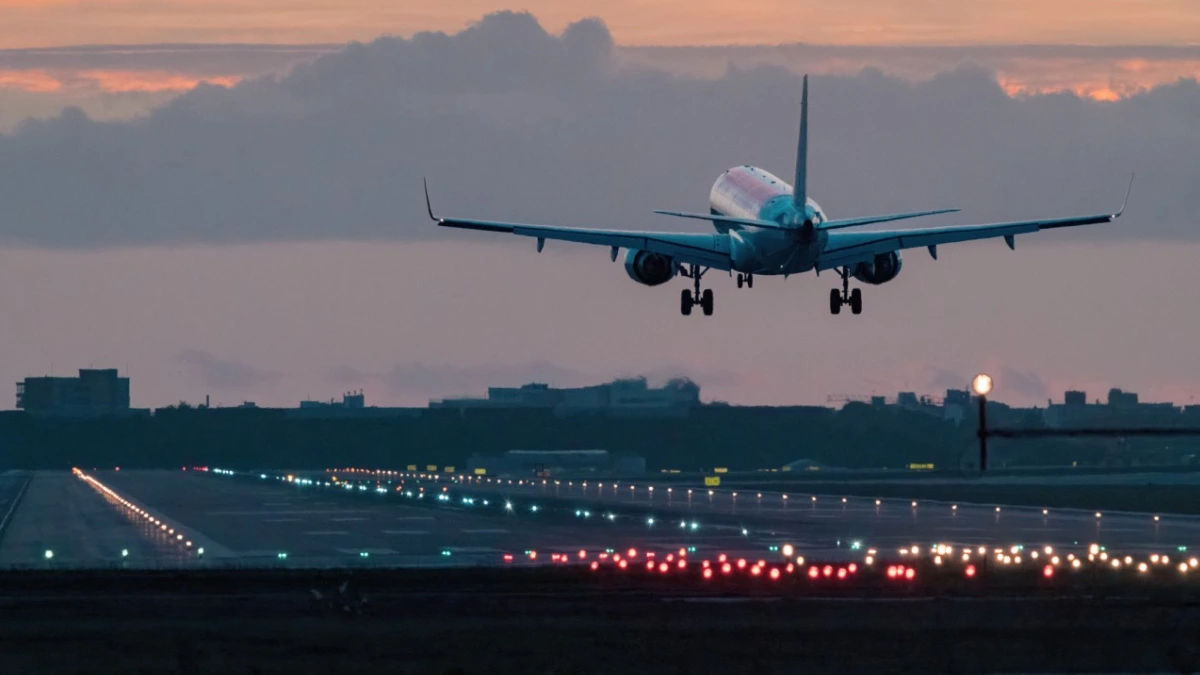
Fuel: Airlines are adjusting their flight schedules as sharply higher jet fuel costs put additional pressure on the aviation industry, creating potential challenges for travelers heading into the busy fall travel period.
ABC News reported on September 18, 2026, that airlines are cutting some flights as jet fuel prices rise. The report also featured travel expert Clint Henderson, managing editor of The Points Guy, discussing what passengers should do if their flights are canceled and which types of flights could face greater cancellation risks.
Rising Fuel Costs Put Pressure on Airlines
Fuel is one of the largest operating expenses for airlines, making sudden increases in jet fuel prices particularly significant. When fuel becomes substantially more expensive, carriers may reassess routes, aircraft utilization and flight frequencies.
Airlines have several ways to respond to higher operating costs. They can adjust schedules, reduce frequencies on selected routes, consolidate flights or use larger aircraft where demand supports it.
These decisions can affect travelers even when an airline does not completely suspend a particular route.
Some Flights Could Face Greater Cancellation Risk
For passengers, schedule changes can create uncertainty. A flight reduction may mean fewer departure times and fewer alternatives if a scheduled service is canceled.
ABC News’ report specifically addressed which flights could be more vulnerable to cancellations and offered guidance for travelers whose flights are disrupted.
Passengers whose flights are canceled should check directly with their airline for available rebooking options. Travelers may also want to monitor their reservations closely before heading to the airport, particularly when operating conditions are changing rapidly.
What Travelers Should Watch
Flight schedules can change for several reasons, and fuel costs are only one factor airlines consider. Passenger demand, aircraft availability, weather, airport capacity and broader operational issues can also influence scheduling decisions.
However, sustained increases in fuel expenses can make less-profitable flights more difficult to operate. Routes with lower demand may receive particular scrutiny when airlines are looking for ways to control costs.
Travelers can reduce the risk of being caught off guard by checking their airline’s website or mobile app for schedule updates and making sure their contact information is current on the reservation.
Potential Impact on Airfares
Higher operating expenses can also create pressure on airline ticket pricing, although the effect on fares depends on competition, demand and each carrier’s pricing strategy.
Airlines may attempt to offset higher fuel expenses through a combination of fare adjustments, capacity changes and other cost-management measures.
That means passengers could see both fewer flight options and changing ticket prices if fuel costs remain elevated.
Airlines Balance Costs and Demand
The aviation industry must balance rising expenses with passenger demand. Cutting too many flights can reduce available seats, while maintaining flights that are expensive to operate can increase financial pressure on carriers.
As a result, airlines continually evaluate which routes and flight frequencies make sense under changing market conditions.
For passengers, the immediate concern is whether a planned flight will operate as scheduled. ABC News’ report emphasizes the importance of understanding cancellation procedures and knowing what steps to take when an airline changes or cancels a reservation.
What Passengers Can Do
Travelers with upcoming flights can take several practical steps:
- Check flight status before leaving for the airport.
- Monitor airline emails and mobile-app notifications.
- Keep reservation and contact information up to date.
- Review the airline’s cancellation and rebooking policies.
- Consider alternative flights when available.
- Allow additional flexibility when traveling during periods of widespread schedule changes.
While individual airlines may make different decisions, passengers should rely on their carrier for the latest information about a specific reservation.
The Bottom Line
Rising jet fuel costs are adding another challenge for airlines as they review flight schedules and operating expenses. ABC News reported that some carriers are cutting flights, while travel experts are advising passengers to prepare for possible cancellations and schedule changes.
For travelers, staying informed and checking directly with the airline remains essential as carriers adjust their schedules in response to changing costs and operating conditions.
Source: abcnews