
Measles outbreak new york has declared a statewide disaster emergency over a growing measles outbreak, as the highly contagious disease continues to spread in communities across the United States.
Governor Kathy Hochul announced the emergency declaration on October 5 after New York recorded 108 measles cases this year through October 3. Of those cases, 92 have been reported since July 15, with infections concentrated in rural communities where vaccination rates are lower. The emergency declaration is scheduled to remain in effect through November 4.
New York Expands Vaccination Response
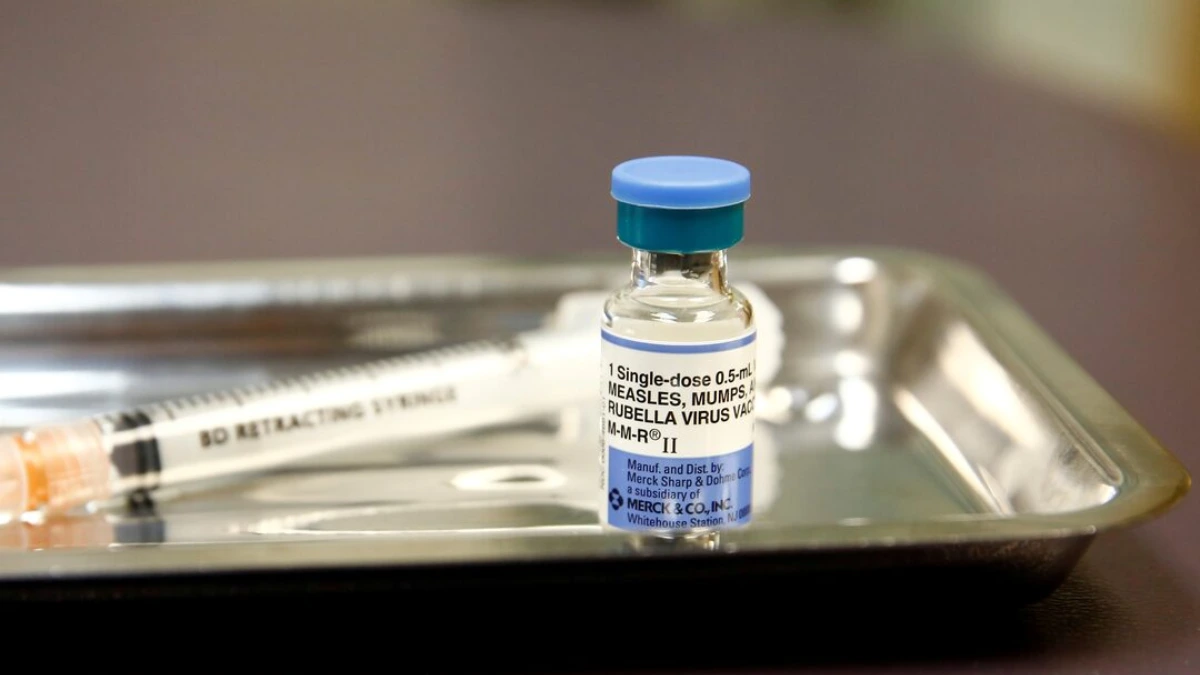
The emergency order gives health officials additional flexibility to respond to the outbreak. It expands the pool of healthcare professionals who can administer measles, mumps and rubella, or MMR, vaccines.
Under the order, registered nurses can order diagnostic testing for suspected measles cases, while pharmacists can vaccinate children as young as two. The state is also requiring MMR vaccinations to be reported to New York or New York City immunization registries within 72 hours.
The reporting requirement does not remove the need for consent to receive the vaccine. Patients or parents and guardians must still provide consent for vaccination.
Hochul said the state’s response was aimed at preventing serious illness and deaths from a disease that can be prevented through vaccination.
Rural Communities Face Growing Outbreaks
Seven of New York’s reported cases are in New York City, while the remaining 101 cases have occurred elsewhere in the state. Officials have identified outbreaks in several rural communities, including areas with insufficient vaccination coverage.
Local health departments have administered more than 1,000 MMR vaccine doses in affected rural areas since July 15 as officials work to contain the spread.
Health experts have warned that measles outbreaks become more likely when vaccination coverage falls below approximately 95 percent, the level generally considered necessary to maintain strong community protection.
Pennsylvania Reports More Than 1,000 Cases
New York’s emergency declaration comes as neighboring Pennsylvania deals with an even larger outbreak.
Pennsylvania has surpassed 1,000 measles cases this year, making it the largest state outbreak in more than three decades, according to reports. Five deaths have also been associated with the outbreak. Many infections have occurred in rural counties near the New York border.
Other states, including Texas, Utah, Ohio and South Carolina, have also reported measles outbreaks this year.
The national resurgence marks a dramatic reversal for a disease that the United States declared eliminated in 2000. The country is now experiencing its worst measles year since 1991, with nearly 3,900 cases reported in 2026.
Declining Vaccination Rates Raise Concerns measles outbreak new york
Public health officials have linked the recent resurgence to declining vaccination rates in some communities. Measles is extremely contagious, and lower immunization coverage can allow the virus to spread quickly once it reaches an under-vaccinated population.
The outbreak has also renewed debate over vaccine misinformation, access to healthcare and policies affecting childhood immunization.
New York’s emergency declaration represents the first such statewide disaster declaration related to the recent measles resurgence that began accelerating in 2025.
U.S. Measles-Free Status Could Face Review measles outbreak new york
The resurgence could have consequences beyond individual state outbreaks.
International health officials from the Pan American Health Organization are expected to meet in November to consider whether the United States and Mexico will retain their measles-free status.
The designation depends on countries maintaining effective vaccination programs, surveillance systems and the ability to stop sustained transmission. PAHO has emphasized the importance of high and consistent vaccination coverage and rapid responses to outbreaks.
For New York officials, the immediate priority is containing the current outbreak and increasing access to vaccination and testing.
As cases continue to rise across several states, health authorities are urging eligible residents to check their vaccination records and follow public health guidance to reduce the risk of further transmission.