
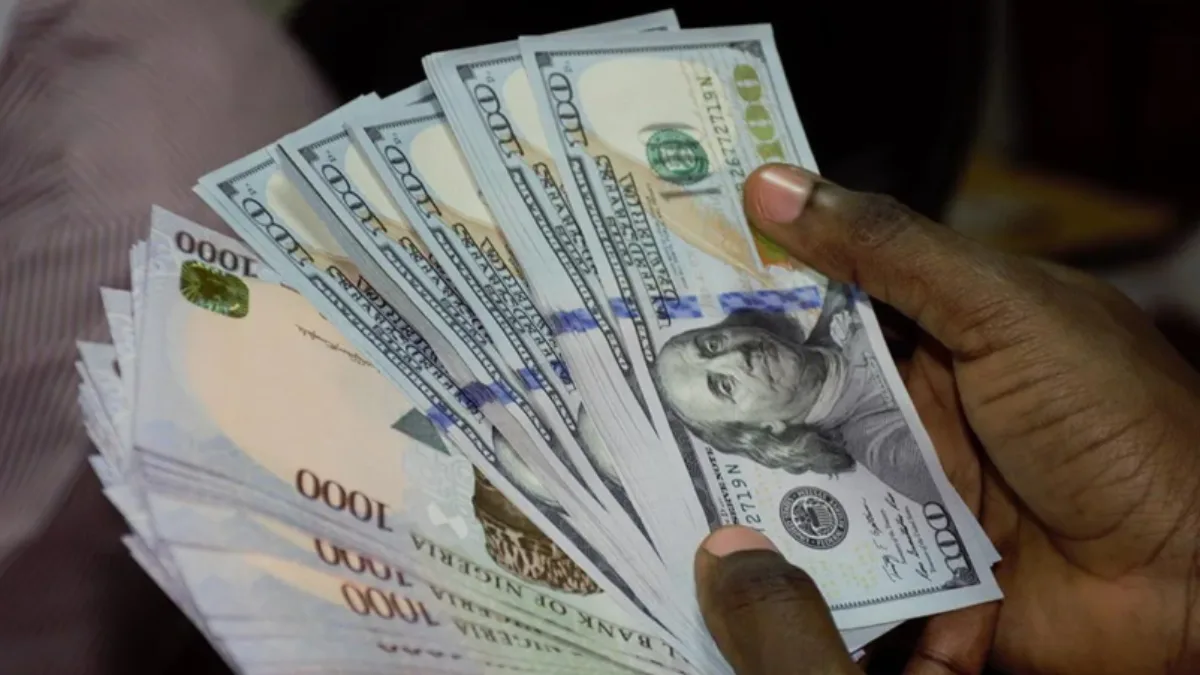
The Nigerian naira posted another day of gains in the official foreign exchange market on July 24, signaling continued stability in the country’s currency trading system. The appreciation against the U.S. dollar reflects ongoing efforts by financial authorities to improve liquidity and strengthen confidence in the official exchange market.
A stronger naira is viewed as a positive development for businesses that depend on imported goods, as it can help reduce the cost of foreign purchases and lessen pressure from rising inflation.
Financial analysts noted that improved foreign exchange availability has played a key role in supporting the naira’s recent performance. Government reforms aimed at increasing transparency and encouraging foreign investment have also contributed to a more stable trading environment.
While the currency still faces challenges from global economic uncertainty and fluctuations in oil prices, the latest gains suggest that recent policy measures are beginning to have a positive impact.
Businesses and investors continue to monitor movements in the official exchange rate because they directly affect the cost of international trade, manufacturing, and investment. A stable official market also strengthens confidence among foreign investors, who often consider exchange rate stability before committing capital to a country’s economy.
Although economists caution that one day’s performance does not guarantee a lasting trend, the improvement recorded on July 24 is another encouraging sign that the foreign exchange market is moving in a more positive direction.
Parallel Market Also Shows Improvement
The naira also strengthened in the parallel, or black, market, where exchange rates improved alongside gains in the official market. This development is significant because the parallel market often reflects the real demand and supply conditions for foreign currency among individuals and businesses that cannot easily access official channels.
The narrowing gap between official and parallel market exchange rates indicates a healthier balance in the foreign exchange system and may reduce opportunities for speculative currency trading.
Currency dealers reported that improved dollar availability and steady demand helped support the naira’s appreciation. A stronger currency in both markets benefits importers by lowering the cost of acquiring foreign exchange while also helping consumers through potentially lower prices for imported products.
Manufacturers, retailers, and other businesses that rely on international suppliers could experience improved operating conditions if the trend continues over the coming weeks.
Economists believe maintaining this momentum will require continued foreign exchange inflows, strong crude oil export earnings, and consistent monetary policies from the Central Bank of Nigeria. Global economic conditions, including movements in the U.S. dollar and international energy prices, will also influence the naira’s future direction.
While challenges remain, the latest performance has provided cautious optimism that the currency can continue to stabilize if current reforms and market conditions are sustained. As traders look ahead to the next round of market activity, many will be watching whether the naira can build on its recent gains and maintain stronger performance across both the official and parallel foreign exchange markets.
To know more for Business & Finance news