
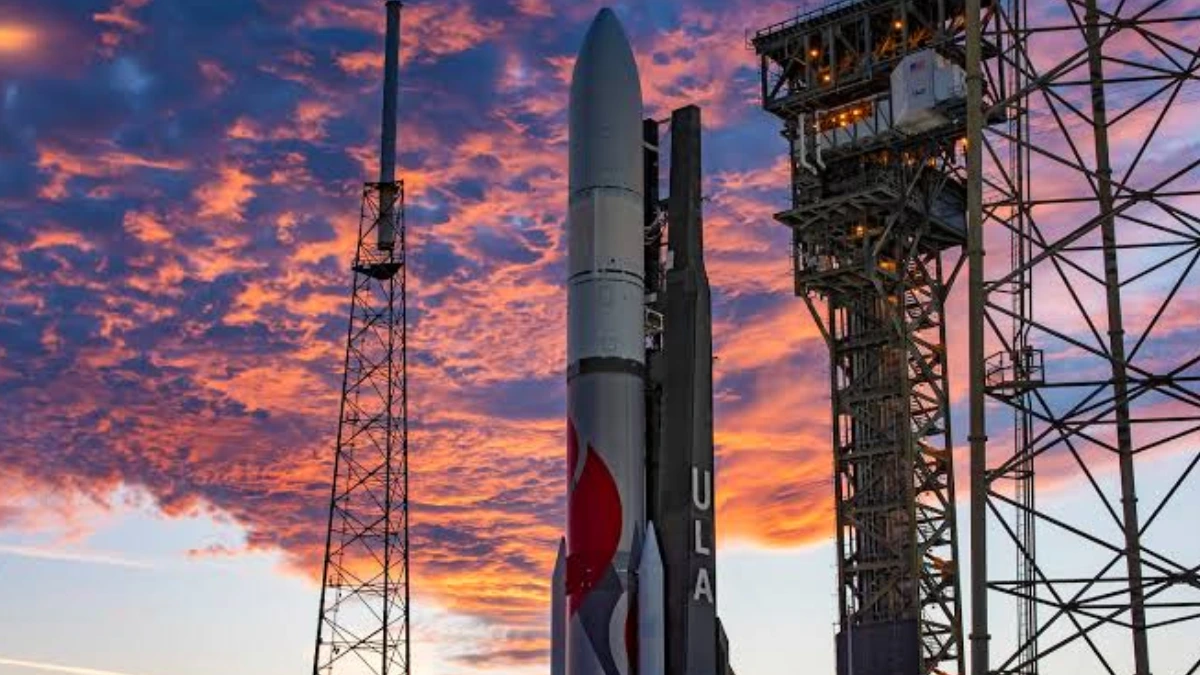
United Launch Alliance (ULA) has suffered a major setback after its Vulcan rocket experienced a serious malfunction during a launch carrying 40 Amazon Leo internet satellites. The incident occurred on Sunday, November 15, 2026, approximately 10 minutes after liftoff from Cape Canaveral Space Force Station in Florida. The failure resulted in the loss of the rocket and its entire satellite payload, creating challenges for both ULA and Amazon’s growing satellite internet ambitions.
According to ULA, the rocket experienced an anomaly during its flight and failed to deliver the Amazon satellite mission into orbit. The company confirmed that its launch team was reviewing available flight data to determine what went wrong. The incident marks the first complete mission failure in ULA’s history since the company was established in 2006 as a joint venture between Boeing and Lockheed Martin.
Vulcan Rocket Mission Ends in Failure ula vulcan rocket launch
The Vulcan rocket lifted off from Space Launch Complex 41 at approximately 12:40 p.m. Eastern Time. The launch initially appeared successful, with the rocket clearing the launch pad and its solid rocket boosters separating as planned. However, a malfunction occurred during the later stages of the flight, preventing the spacecraft from reaching its intended orbit.
ULA stated that it would work closely with Amazon and other relevant organizations to investigate the incident, identify the technical problem and determine the necessary corrective actions. Engineers are expected to examine flight telemetry and other technical information before deciding when the Vulcan rocket can return to service.
The mission was particularly important because it represented the first of 38 Vulcan launches planned for Amazon’s Leo satellite network. The rocket was carrying the largest batch of Amazon Leo satellites launched in a single mission so far.
Amazon Leo Satellite Internet Plans Face Delays
The loss of 40 satellites represents a significant challenge for Amazon’s efforts to expand its satellite-based broadband internet service. Amazon Leo is designed to provide internet connectivity through a large constellation of low Earth orbit satellites, positioning the company as a competitor to SpaceX’s Starlink network.
Amazon has ambitious plans to deploy thousands of satellites to establish its global internet service. The company has arranged launches with several aerospace providers, including United Launch Alliance, Blue Origin, Arianespace and SpaceX.
Following the incident, Amazon described ULA as a trusted launch partner and expressed confidence that the company would learn from the mission. The satellite network’s development will continue, although the failed launch could affect deployment schedules and operational planning.
Investigation Could Affect Future Vulcan Launches ula vulcan rocket launch
The mishap also raises questions about the future launch schedule of ULA’s Vulcan rocket. The vehicle is designed to replace the company’s older Atlas V rockets and become an important launch platform for commercial customers and U.S. national security missions.
Before Sunday’s incident, Vulcan had already experienced technical challenges involving its solid rocket booster nozzles and engine systems. The rocket had been out of service for several months while engineers worked on resolving earlier problems. Although the solid boosters appeared to perform as expected during Sunday’s flight, the exact cause of the latest failure remains unknown.
The investigation could lead to additional testing, engineering changes and a temporary suspension of future launches. NASA Administrator Jared Isaacman also offered assistance if needed as ULA works to understand the failure.
A Major Challenge for the Commercial Space Industry
The Vulcan mishap highlights the technical and operational risks involved in launching large satellite constellations. As companies invest billions of dollars in space-based internet services, reliable launch vehicles are becoming increasingly important for maintaining deployment schedules and meeting customer expectations.
For Amazon, the loss of 40 Leo satellites creates another obstacle in its competition with established satellite internet providers. For ULA, restoring confidence in the Vulcan rocket will be essential to securing future commercial and government launch contracts.
The coming weeks will be important as engineers investigate the malfunction and determine the next steps. Until the cause is identified and corrective measures are implemented, the future schedule for Vulcan missions remains uncertain.