
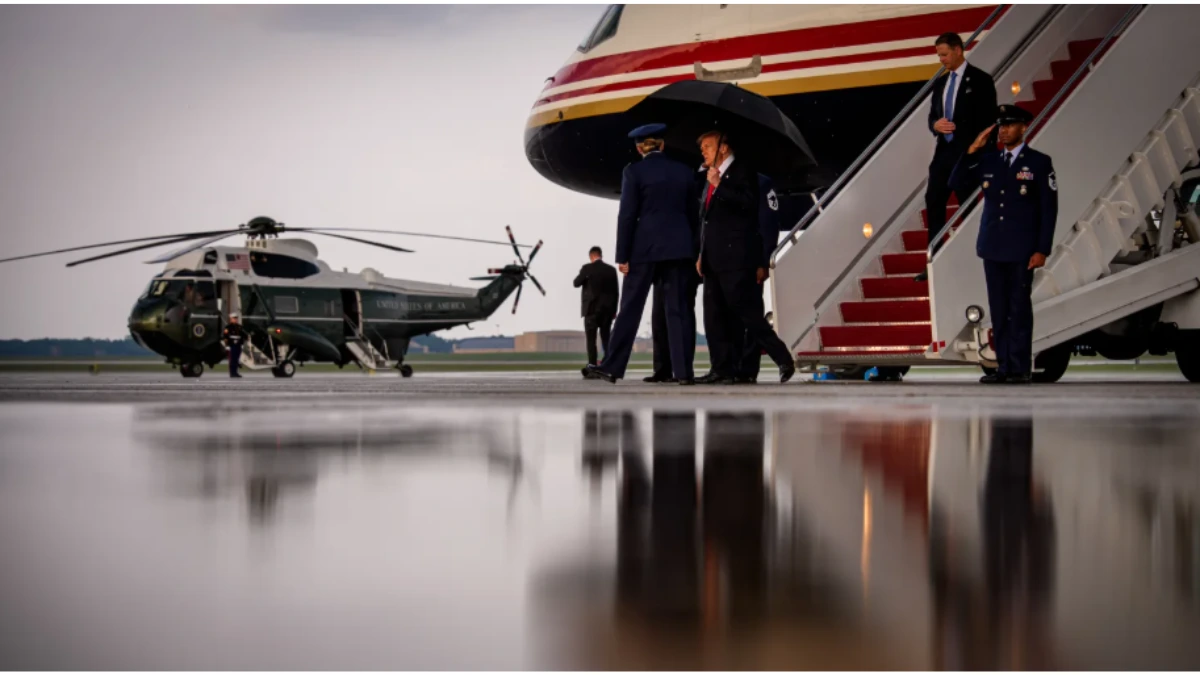
President Donald Trump and Ukrainian President Volodymyr Zelenskyy are set to hold high-level discussions as the war in Ukraine and rising tensions involving Iran create a complex international security landscape. The meeting comes as Washington faces pressure to balance diplomacy, military support, and broader strategic concerns.
Zelenskyy is expected to use the talks to strengthen U.S.-Ukraine cooperation and push for continued support as his country battles Russia’s ongoing military campaign. Key issues are expected to include air defense capabilities, security assistance, and efforts to advance negotiations aimed at ending the conflict.
The discussions are taking place against the backdrop of escalating tensions in the Middle East, where the conflict involving Iran has added another layer of uncertainty for U.S. foreign policy. Officials and analysts say the overlap of multiple international crises has increased the importance of coordination between Washington and its allies.
Relations between Trump and Zelenskyy have shifted over time, with recent interactions showing a greater focus on cooperation despite earlier disagreements. Ukrainian officials are seeking assurances that U.S. backing will remain strong as Kyiv works to defend its territory and pursue a long-term settlement.
The meeting also comes as lawmakers debate further measures related to Russia, including possible sanctions aimed at increasing pressure on Moscow. Supporters argue such actions could strengthen Ukraine’s negotiating position, while critics warn of potential complications in international diplomacy.
Beyond immediate battlefield concerns, the talks highlight the growing connection between conflicts in different regions. Decisions made in Washington could influence not only the future of the Ukraine war but also the broader balance of power involving Russia, Iran, and U.S. allies.
As global tensions continue to rise, the Trump-Zelenskyy meeting is being closely watched for signs of new diplomatic initiatives, additional security commitments, and possible pathways toward reducing conflict in multiple regions.
To know more Turmp Administraion news